By Susan Breitenbach
Investing in Hamptons real estate—especially at the luxury level—isn’t just about buying an expensive home and waiting for value to rise. This market has its own rules, dynamics, and nuances that can dramatically affect your return. I work with sophisticated buyers who want both lifestyle and financial performance, and I’ve found five key things that every luxury investor should understand before committing capital here. If you take anything from this blog, let it be that knowledge and strategy matter as much as location and price in the Hamptons.
Key Takeaways
-
Investment value in the Hamptons depends on more than resale pricing.
-
Rental income opportunity varies dramatically by village and regulation.
-
Design quality and flexibility drive desirability and ROI.
-
Ownership structure and taxes materially impact your net return.
-
Timing, use strategy, and stewardship shape long‑term results.
1. Luxury in the Hamptons Is About Lifestyle Value, Not Just Price
Most investors think about real estate ROI in terms of price per square foot or historical appreciation. Those metrics matter, but in the Hamptons, lifestyle value is often the leading driver of both current demand and future price growth. Buyers here aren’t just purchasing real estate—they’re buying access to waterfront living, coastal exposure, social calendars, and a distinct community experience.
Lifestyle Components That Add Investment Value
-
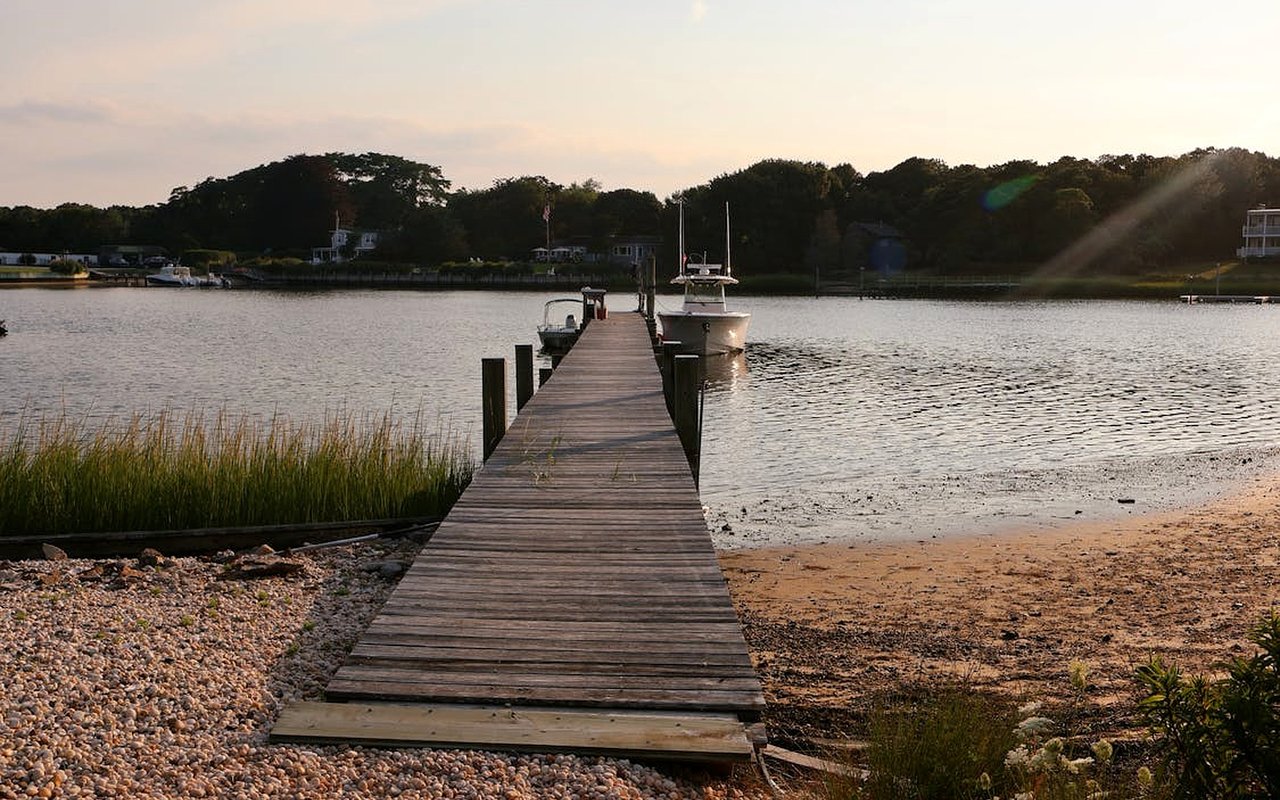
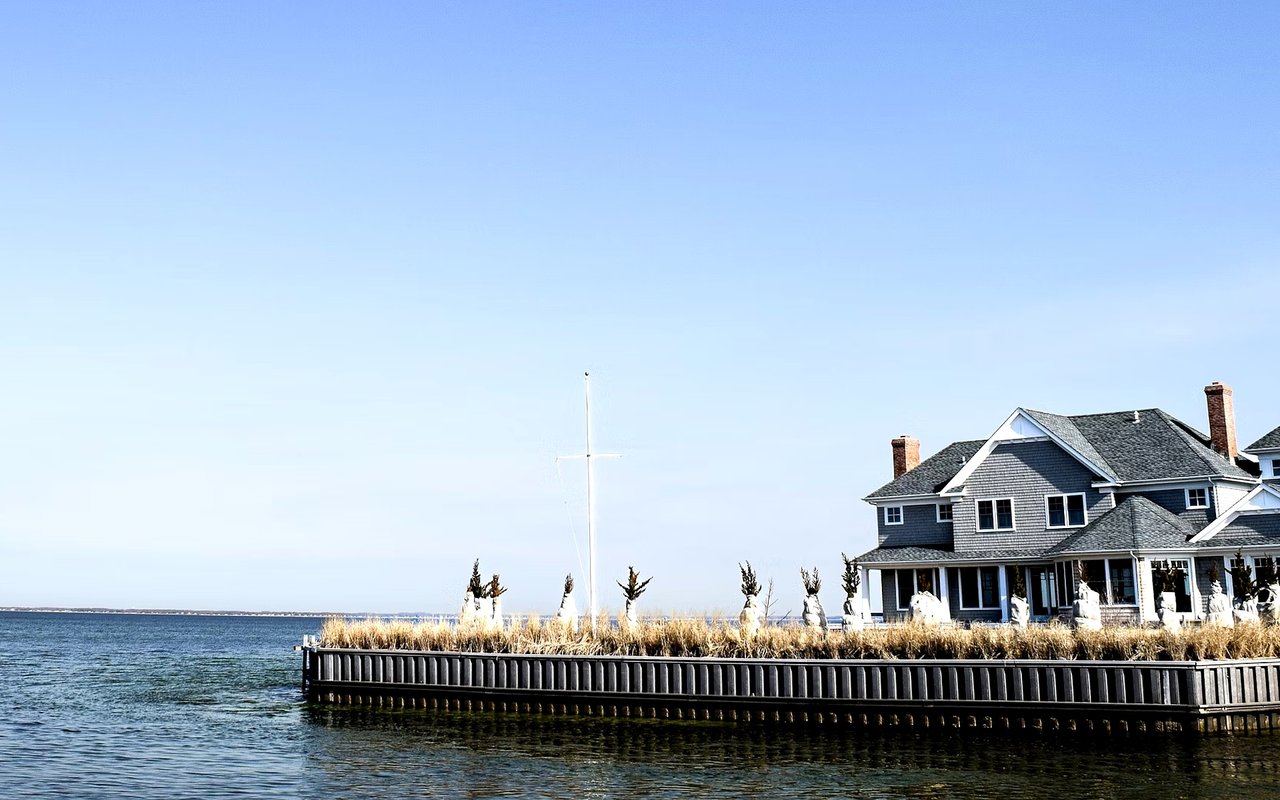
Proximity to Beaches and Water Access – Properties with legal, documented access (not just views) trade at premiums.
-
Village and Social Identity – Addresses near Sag Harbor, East Hampton Village, or boutique restaurant clusters attract steady interest.
-
Nightlife and Culinary Appeal – Listings close to seasonal cultural drawcards often have stronger rental demand.
-
Unique Amenities – Private docks, expansive terraces, heated pools, and curated outdoor spaces elevate property allure.
Investors should calculate lifestyle value not just as a perk, but as a quantifiable factor in how quickly a property absorbs into market demand and how it compares to neighboring assets.
2. Rental Income Strategies Must Align with Local Rules and Luxury Expectations
One of the big myths in luxury investing is that any vacation property will generate high rental income. In the Hamptons, rental dynamics vary sharply by locality—and the luxury segment has high expectations for both experience and regulation compliance.
What Luxury Investors Must Know About Rentals
-
Permit Requirements Vary Widely – Some areas have strict minimum stay requirements, while others require annual registration.
-
Luxury Rentals Require High Touch – Upscale guests expect concierge services, housekeeping, premium linens, and technology support—these raise operating costs.
-
Seasonality Is Real – Peak summer weeks (especially June through August) drive the bulk of revenue, but savvy investors look for ways to extend shoulder‑season demand.
-
Turnkey Presentation Matters – A home that photographs well, is professionally staged, and offers curated experiences rents faster and at higher rates.
The smartest luxury investors here don’t rely on assumptions—they build rental pricing forecasts based on regional trends, calendar windows, and amenity expectations. I help clients model revenue before they buy.
3. Design Quality and Use Flexibility Are Investment Differentiators
In the luxury segment, how a property performs structurally and aesthetically matters more than raw square footage. Buyers—and future buyers—want homes that are not just spacious but intentional in flow, durability, and adaptability.
Features That Help Protect and Increase Value
-
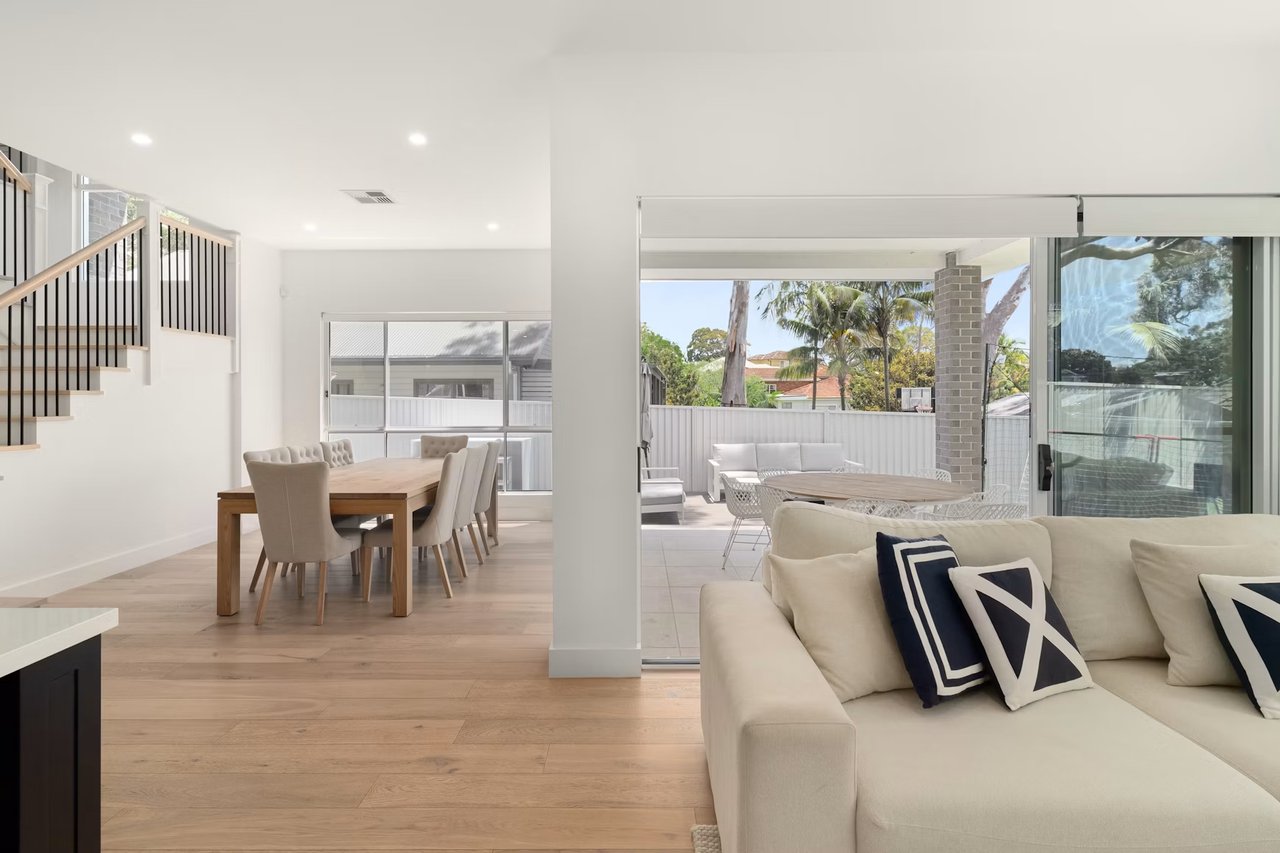
Indoor/Outdoor Integration – Seamless transitions to terraces, decks, and outdoor kitchens are no longer optional.
-
Flexible Use Spaces – Rooms that can serve as offices, gym space, guest suites, or media rooms broaden market appeal.
-
Superior Mechanical Systems – Zoned climate control, advanced insulation, and state‑of‑the‑art ventilation improve comfort and marketability.
-
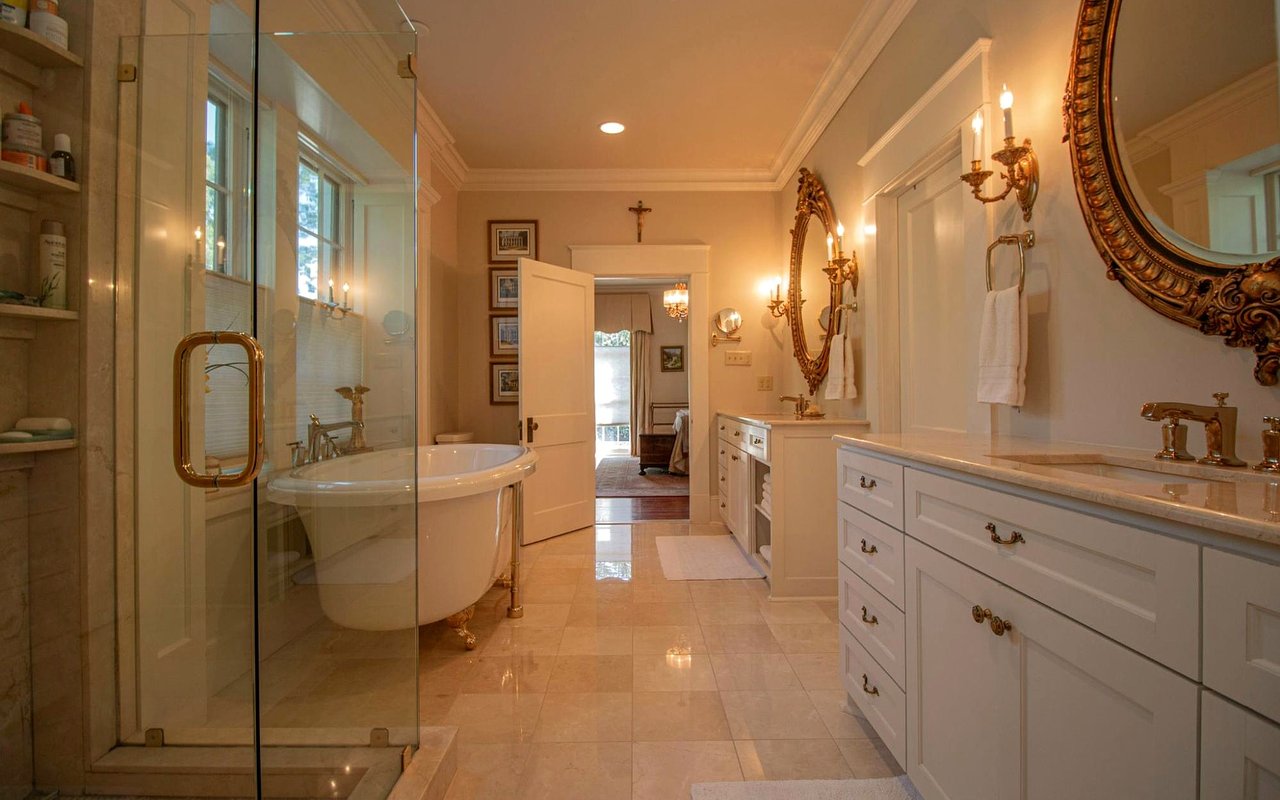
Neutral, Timeless Finishes – Aesthetic shifts happen often; architecture that stands apart from fleeting trends helps maintain value.
I’ve seen properties with identical footprints sell very differently simply because one was thoughtfully designed for multiple use cases and the other felt dated or compartmentalized.
4. Ownership Structure and Tax Planning Can Change Net Returns
Buying luxury real estate in the Hamptons without considering the ownership structure is a mistake I see too often. Whether you purchase in your personal name, through an LLC, or via a trust can affect taxes, liability, and even legacy planning.
Financial and Legal Considerations
-
State and Local Tax Implications – New York has specific transfer taxes and potential local assessments that vary by municipality and property use.
-
Federal Tax Rules – Depreciation, income reporting, and capital gains treatment are tied to how the property is owned and how it generates revenue.
-
Estate Planning – Holding structures like trusts or LLCs may provide clarity and protection for generational transition.
-
Foreign Buyer Considerations – Non‑resident investors have particular reporting requirements and potential withholding obligations on sale.
Working with advisors who understand luxury Hamptons real estate—not just national tax rules—is critical. I help investors coordinate with trusted attorneys and accountants who specialize in this niche.
5. Market Timing and Inventory Context Precision Matters More Than Ever
Because high‑end inventory in the Hamptons is limited and often seasonal, timing your move is as much a strategy as selecting the right property. Luxury investors who are reactive often pay up or miss opportunities; those who anticipate cycles and inventory shifts get better positioning.
Timing and Inventory Insights
-
Pre‑Season Windows – Properties listed early in the spring often see synchronized demand from high‑net‑worth buyers relocating for summer.
-
Off‑Season Opportunities – Fall and winter months can have less inventory but also fewer competing offers.
-
Off‑Market and Pocket Listings – Some of the best luxury opportunities never hit public MLS; local networks matter.
-
Comparative Market Context – Similar properties can trade very differently if one is new construction and the other legacy stock.
I frequently help clients map out calendar strategies—not just property strategies—because the rhythm of the Hamptons market impacts both price and pace.
Bonus Insight: Sustainability and Future Luxury Appeal
One trend gaining traction among high‑end investors is sustainable design and resiliency planning. Think elevated mechanical systems, stormwater management, and materials chosen for longevity. These aren’t just feel‑good elements—they increasingly influence buyer perception and long‑term desirability in a coastal market.
Sustainable Features That Add Investment Value
-
Elevated or Flood‑Resilient Foundations
-
Rainwater Management and Green Landscaping
-
Energy Generation and Efficiency (solar‑ready systems)
-
Low‑Maintenance, Durable Materials That Age Well
Homes designed with environmental foresight tend to hold value better and appeal to forward‑thinking luxury buyers.
FAQs
Is the Hamptons Still a Strong Investment Compared to Other Luxury Markets?
Yes—limited supply, global demand, and lifestyle appeal continue to support relative strength here, though individual outcomes depend on location, home quality, and strategy.
How Do I Know If a Property Will Rent Well?
Look beyond the listing price and evaluate seasonality, permits, amenity level, and proximity to drawcards like beaches, cultural destinations, and dining.
Should I Buy Now or Wait for Market Shifts?
That depends on your goals and appetite for timing risk. I can help you assess current conditions and align your purchase with both market context and personal strategy.
Contact Me Today
Investing in Hamptons luxury real estate isn’t a one‑size‑fits‑all decision—it requires clarity about goals, deep local insight, and a strategy that reflects both current trends and long‑term value drivers. Whether you’re considering your first luxury investment here or expanding your portfolio, I’ll help you make informed, confident decisions.
Reach out to me, Susan Breitenbach, and let’s talk about what makes sense for you—and how to position your next investment in the Hamptons for both lifestyle and financial success.
Reach out to me, Susan Breitenbach, and let’s talk about what makes sense for you—and how to position your next investment in the Hamptons for both lifestyle and financial success.