By Susan Breitenbach
There are places that earn their reputation over decades, and then there are places that have earned it over centuries. East Hampton Village belongs firmly in the second category. I have spent my career working in and around this extraordinary community, and I can tell you honestly that the more time you invest in understanding what East Hampton Village actually is, beyond the headlines and the seasonal energy, the more compelling it becomes as a place to own property, to build a life, and to invest with genuine confidence.
This is not a guide written from a distance. I know these streets, these beaches, these institutions, and these neighborhoods with the kind of intimacy that only comes from years of deep engagement with a place. What I want to share here is not a list of obvious landmarks but a genuine insider's perspective on what makes East Hampton Village one of the most enduringly desirable addresses in the world.
The Village Itself: History, Structure, and What Sets It Apart
East Hampton Village is an incorporated village within the Town of East Hampton, which means it operates with its own elected mayor, village board, and local governance structure separate from the broader township. This distinction is more than administrative. It means that the village has maintained direct control over its zoning, its architectural standards, its tree preservation ordinances, and the overall character of its built environment for generations.
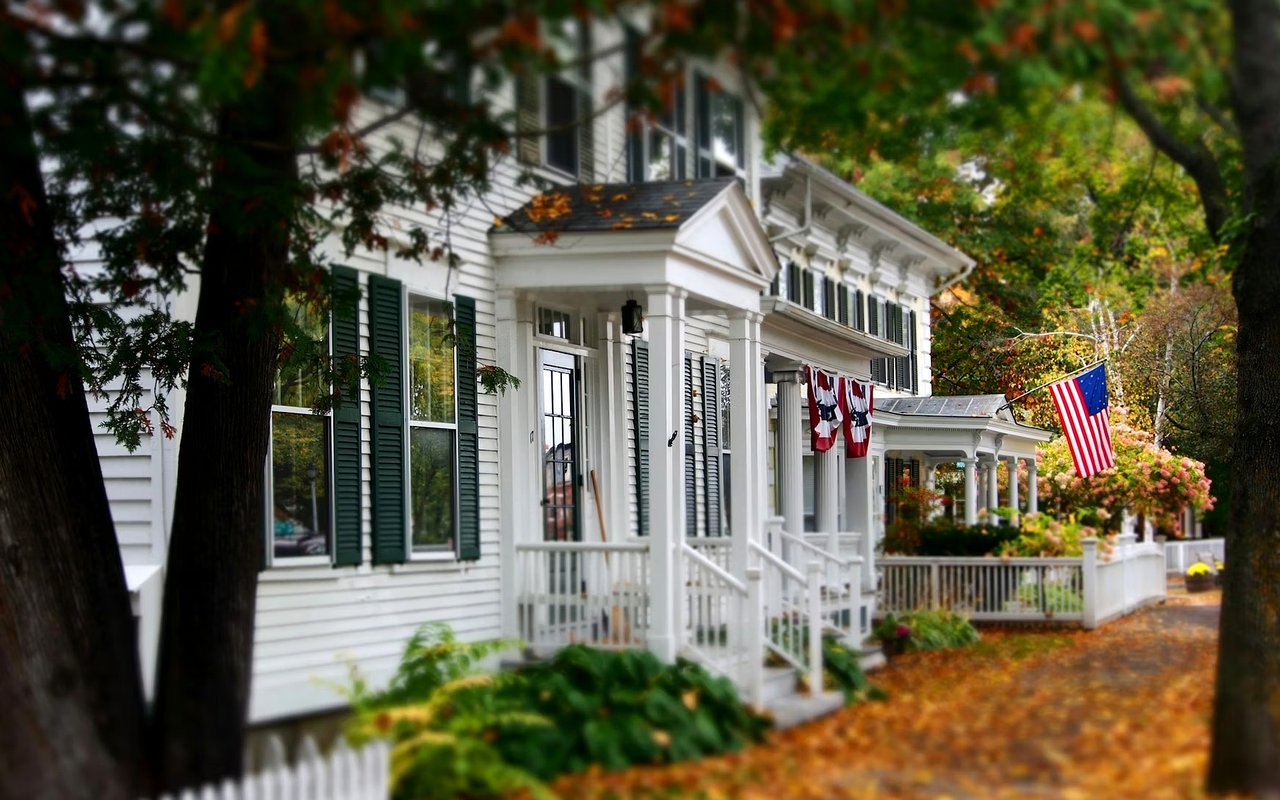
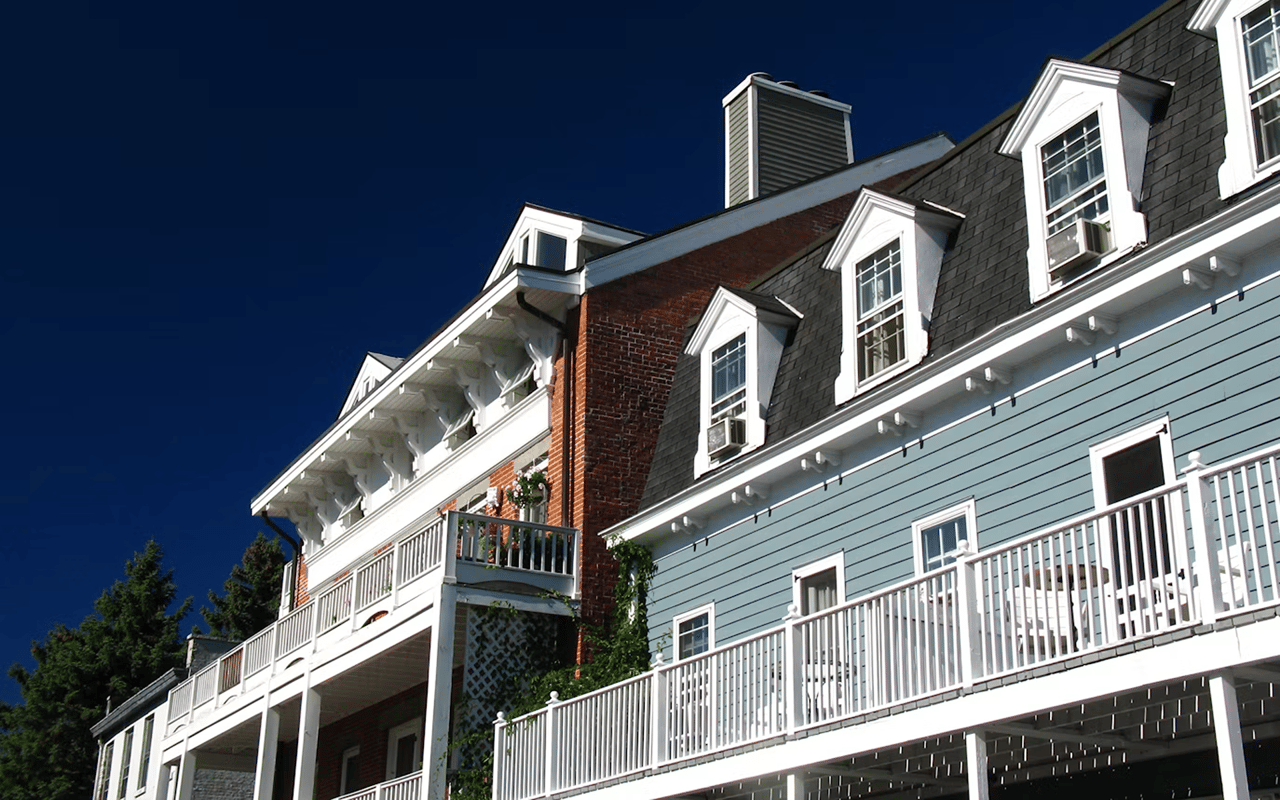
The results of that self-governance are visible everywhere you look. Main Street and Newtown Lane form the heart of the village's commercial district, and what strikes visitors and longtime residents alike is how beautifully the historic scale has been preserved. The buildings are proportional and human in their dimensions. The sidewalks are shaded by mature trees. The storefronts mix established local institutions with carefully curated boutiques and restaurants in a way that feels organic rather than manufactured.
The village green and the Old South End Burying Ground, which dates to the seventeenth century, anchor the historic district with a gravity that reminds you this community has been continuously inhabited and continuously valued for nearly four hundred years. That depth of history is not merely decorative. It is embedded in the land use protections, the architectural review processes, and the community values that make East Hampton Village what it is today.
The results of that self-governance are visible everywhere you look. Main Street and Newtown Lane form the heart of the village's commercial district, and what strikes visitors and longtime residents alike is how beautifully the historic scale has been preserved. The buildings are proportional and human in their dimensions. The sidewalks are shaded by mature trees. The storefronts mix established local institutions with carefully curated boutiques and restaurants in a way that feels organic rather than manufactured.
The village green and the Old South End Burying Ground, which dates to the seventeenth century, anchor the historic district with a gravity that reminds you this community has been continuously inhabited and continuously valued for nearly four hundred years. That depth of history is not merely decorative. It is embedded in the land use protections, the architectural review processes, and the community values that make East Hampton Village what it is today.
The Beaches: Main Beach and Beyond
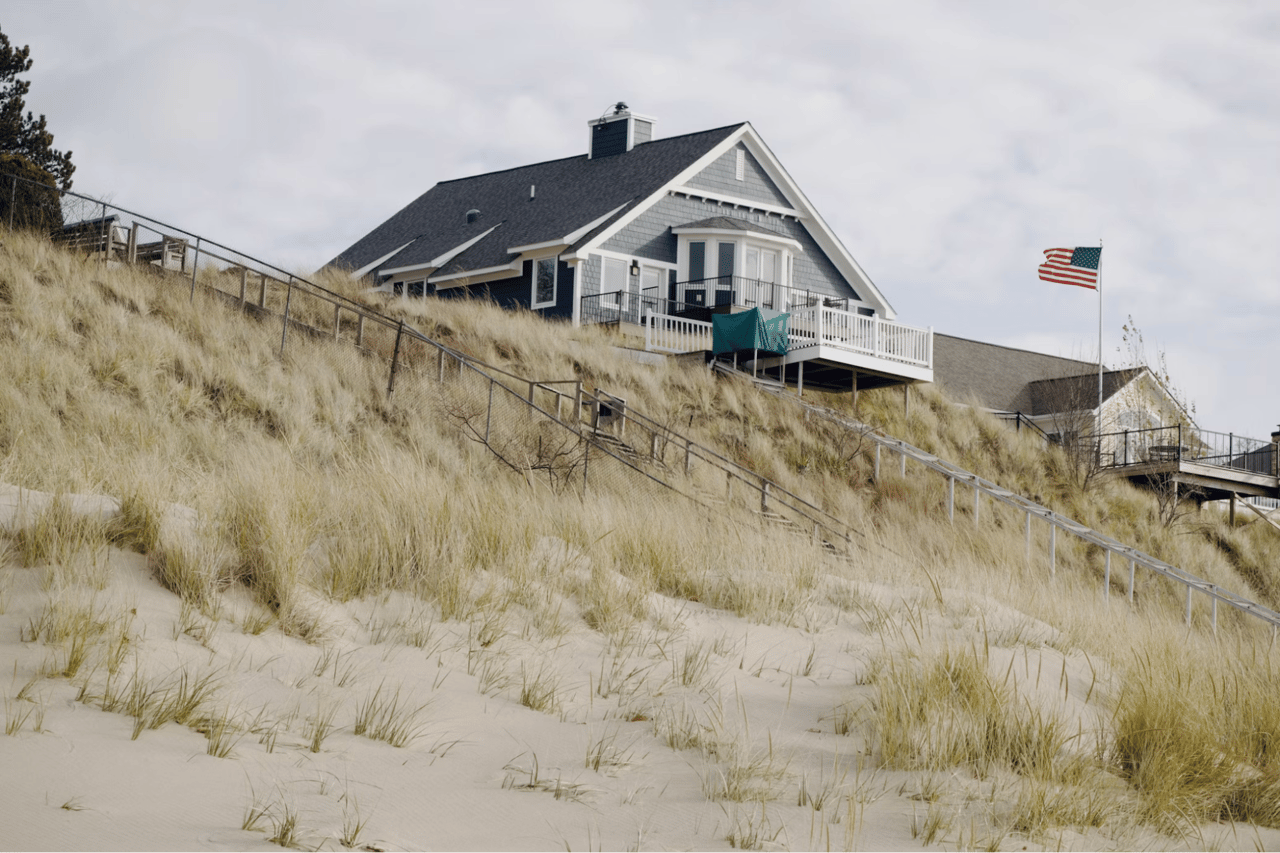
No honest guide to East Hampton Village can proceed very far without addressing the beaches, because for most buyers, the beaches are both a primary draw and a daily reality of life here.
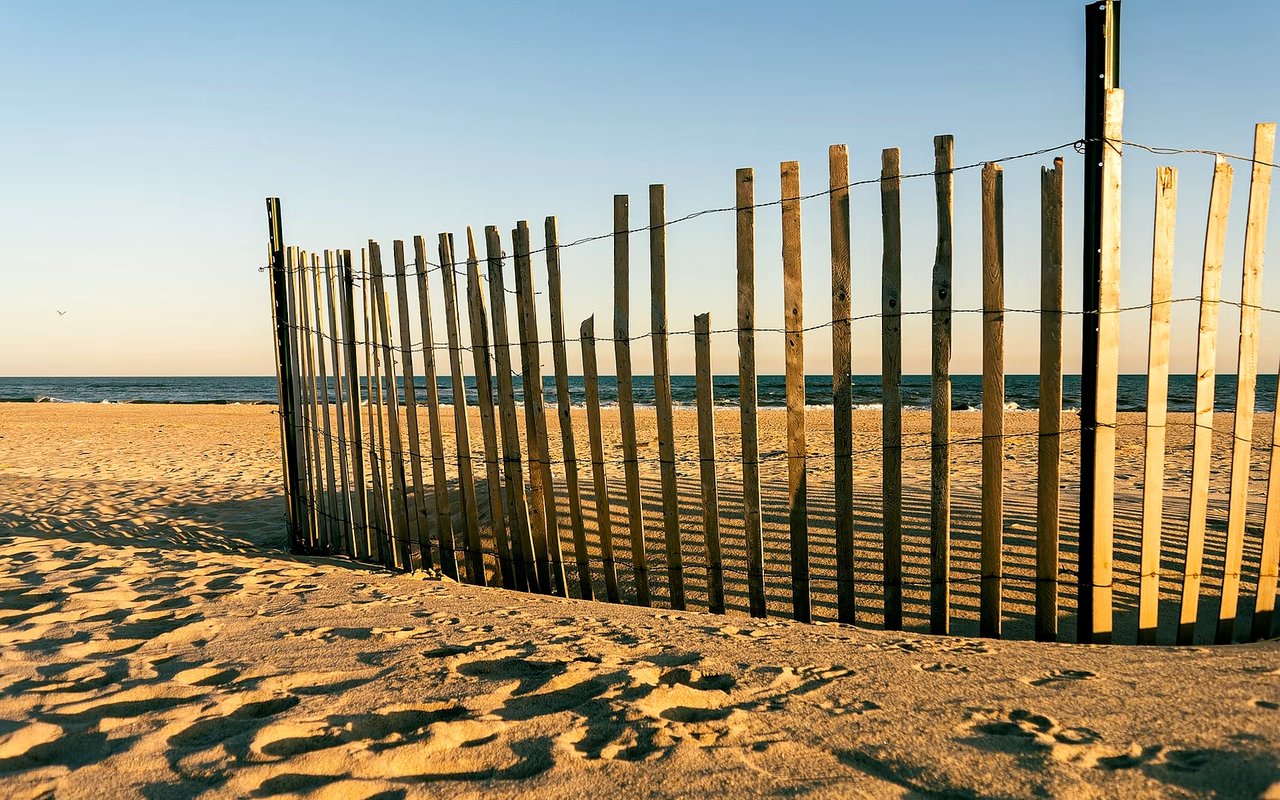
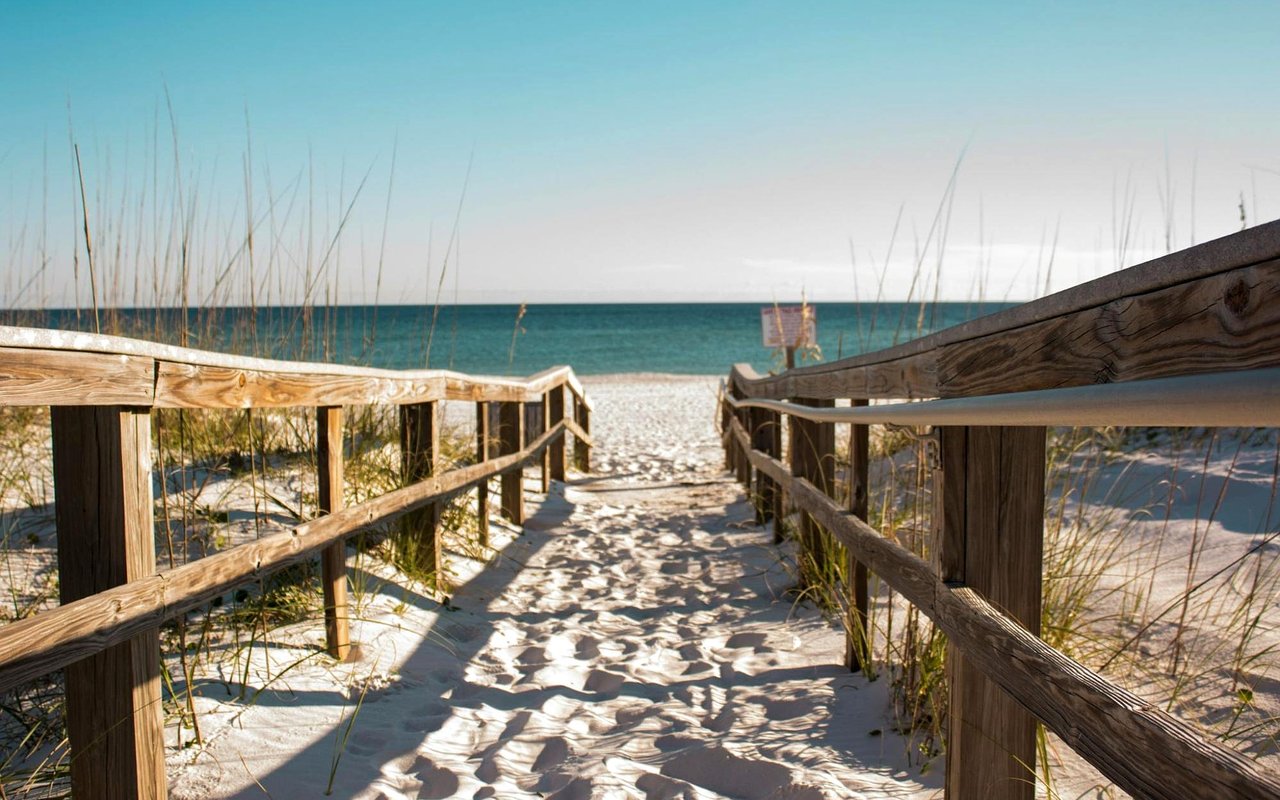
Main Beach on Ocean Avenue is consistently ranked among the finest beaches in the United States and for good reason. The sand is wide, the surf is managed but engaging, the lifeguard presence is professional, and the overall experience reflects the care that the village invests in its public amenities.
What I tell buyers who are spending serious time thinking about East Hampton Village is that the beach experience here operates on multiple levels. There is the pure physical experience of the ocean, which is exceptional by any standard. And then there is the social dimension of Main Beach in the summer months, which is an East End institution in its own right.
You will see the same families returning to the same stretch of sand year after year. Relationships are built and maintained here. It is a community space as much as a natural one.
Beyond Main Beach, Two Mile Hollow Beach offers a quieter alternative for those who prefer a less populated ocean experience. The diversity of beach options within easy reach of the village gives residents genuine flexibility in how they engage with the coastline depending on their mood and the season.
Main Beach on Ocean Avenue is consistently ranked among the finest beaches in the United States and for good reason. The sand is wide, the surf is managed but engaging, the lifeguard presence is professional, and the overall experience reflects the care that the village invests in its public amenities.
What I tell buyers who are spending serious time thinking about East Hampton Village is that the beach experience here operates on multiple levels. There is the pure physical experience of the ocean, which is exceptional by any standard. And then there is the social dimension of Main Beach in the summer months, which is an East End institution in its own right.
You will see the same families returning to the same stretch of sand year after year. Relationships are built and maintained here. It is a community space as much as a natural one.
Beyond Main Beach, Two Mile Hollow Beach offers a quieter alternative for those who prefer a less populated ocean experience. The diversity of beach options within easy reach of the village gives residents genuine flexibility in how they engage with the coastline depending on their mood and the season.
Newtown Lane and the Village's Retail and Dining Character
Newtown Lane is the village's primary commercial corridor, and it rewards the buyer who takes time to understand what it actually offers rather than simply passing through it on the way somewhere else. The retail mix here is genuinely distinctive. You will find independent boutiques alongside established luxury brands, specialty food shops adjacent to galleries representing serious contemporary art, and restaurants that range from casual and beloved to refined and destination-worthy.
The Golden Pear Cafe has served as an unofficial village gathering point for decades. Dopo la Spiaggia and Nick and Toni's represent the kind of deeply rooted local dining institutions that cannot be replicated because they are built from years of community relationship rather than concept alone. The Barefoot Contessa, Ina Garten's legendary specialty food store, operated on Newtown Lane for years and shaped the village's culinary identity in ways that continue to resonate long after the shop's closing.
For buyers with families, the proximity of this caliber of retail and dining to residential neighborhoods is a genuine quality of life asset. The ability to walk from your property to a farmers market, a bookshop, a gallery opening, and a dinner reservation without getting in a car is a luxury that East Hampton Village provides in a way that few communities anywhere can match.
The Golden Pear Cafe has served as an unofficial village gathering point for decades. Dopo la Spiaggia and Nick and Toni's represent the kind of deeply rooted local dining institutions that cannot be replicated because they are built from years of community relationship rather than concept alone. The Barefoot Contessa, Ina Garten's legendary specialty food store, operated on Newtown Lane for years and shaped the village's culinary identity in ways that continue to resonate long after the shop's closing.
For buyers with families, the proximity of this caliber of retail and dining to residential neighborhoods is a genuine quality of life asset. The ability to walk from your property to a farmers market, a bookshop, a gallery opening, and a dinner reservation without getting in a car is a luxury that East Hampton Village provides in a way that few communities anywhere can match.
Guild Hall and the Arts Identity of East Hampton Village
Guild Hall has been the cultural anchor of East Hampton Village since 1931, and its presence on Main Street is one of the defining characteristics of the community's identity. This is not a seasonal pop-up arts space. It is a fully functioning museum and performing arts center with a permanent collection, rotating exhibitions, theatrical programming, film screenings, and a year-round calendar that keeps the village intellectually alive well beyond the summer months.
The relationship between East Hampton Village and the visual arts runs deeper than Guild Hall alone. The Abstract Expressionist movement found its most productive home in the broader East Hampton area during the mid-twentieth century, with figures including Jackson Pollock, Lee Krasner, Willem de Kooning, and Franz Kline all living and working within reach of the village. That legacy is not merely historical nostalgia. It shaped a community culture of aesthetic seriousness and creative engagement that continues to attract artists, collectors, and culturally motivated buyers to this day.
For buyers who care about the intellectual and cultural texture of the community they are investing in, East Hampton Village offers something genuinely rare in the luxury real estate landscape.
The relationship between East Hampton Village and the visual arts runs deeper than Guild Hall alone. The Abstract Expressionist movement found its most productive home in the broader East Hampton area during the mid-twentieth century, with figures including Jackson Pollock, Lee Krasner, Willem de Kooning, and Franz Kline all living and working within reach of the village. That legacy is not merely historical nostalgia. It shaped a community culture of aesthetic seriousness and creative engagement that continues to attract artists, collectors, and culturally motivated buyers to this day.
For buyers who care about the intellectual and cultural texture of the community they are investing in, East Hampton Village offers something genuinely rare in the luxury real estate landscape.
The Residential Streets: What to Know Before You Buy
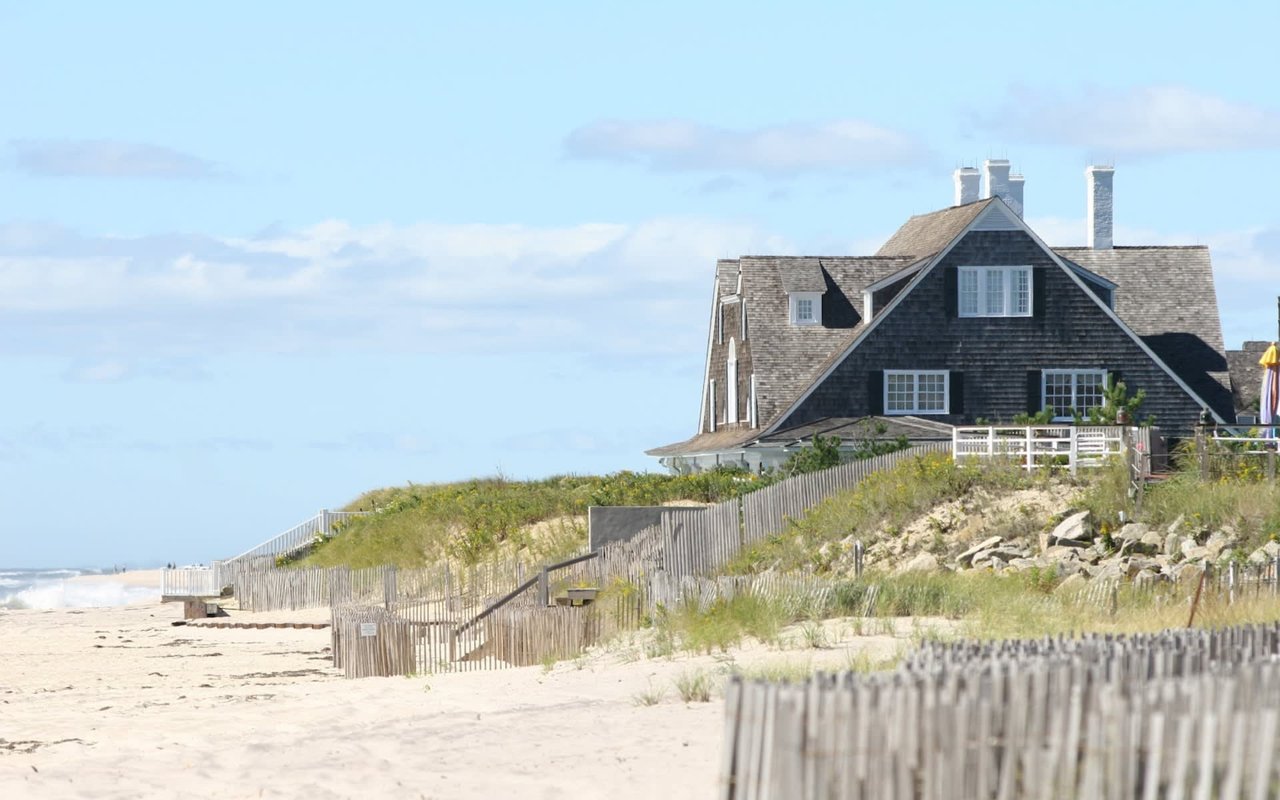
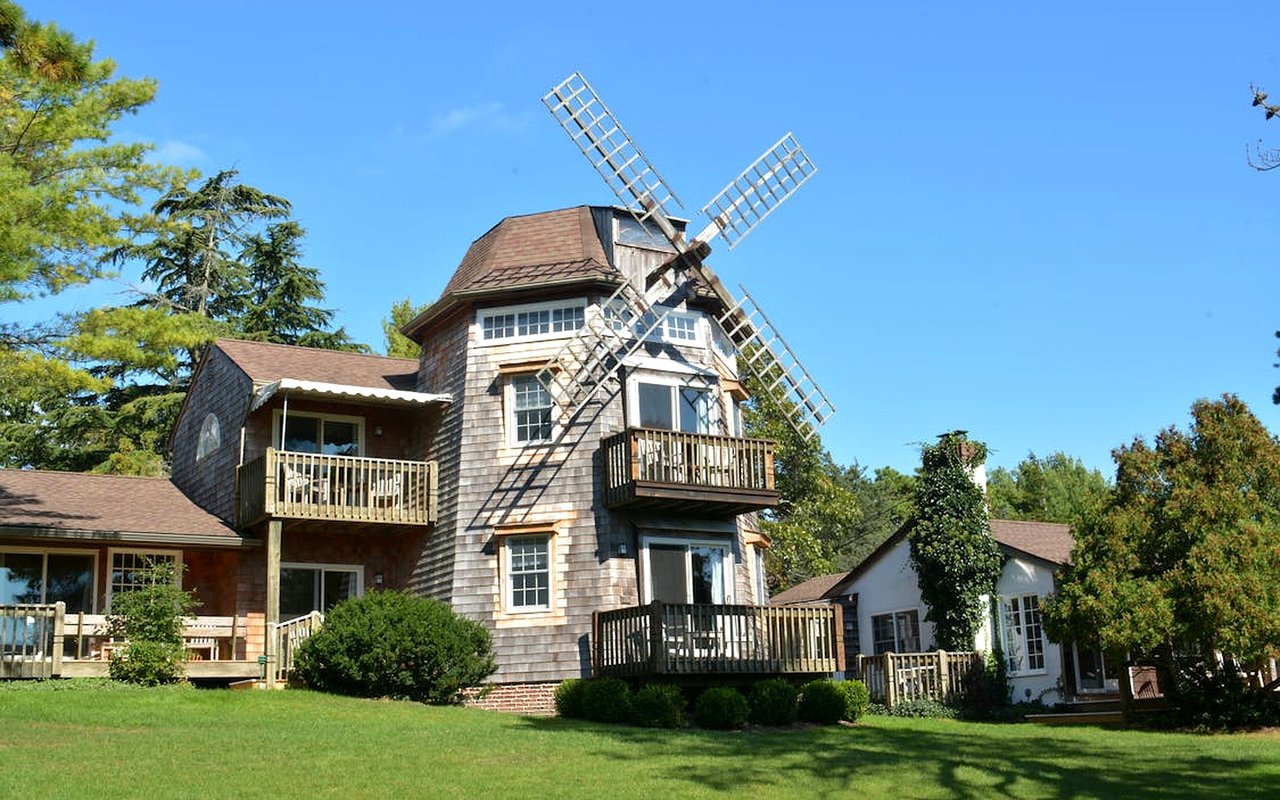
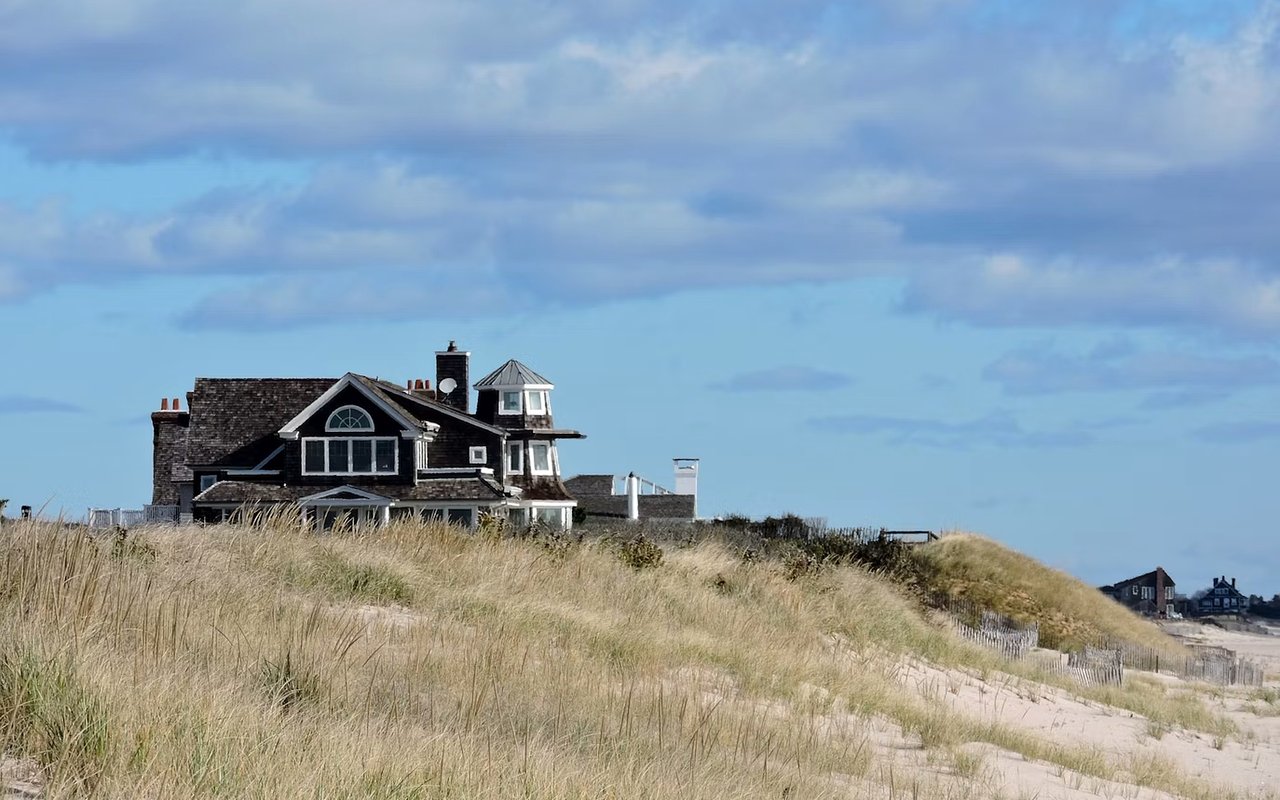
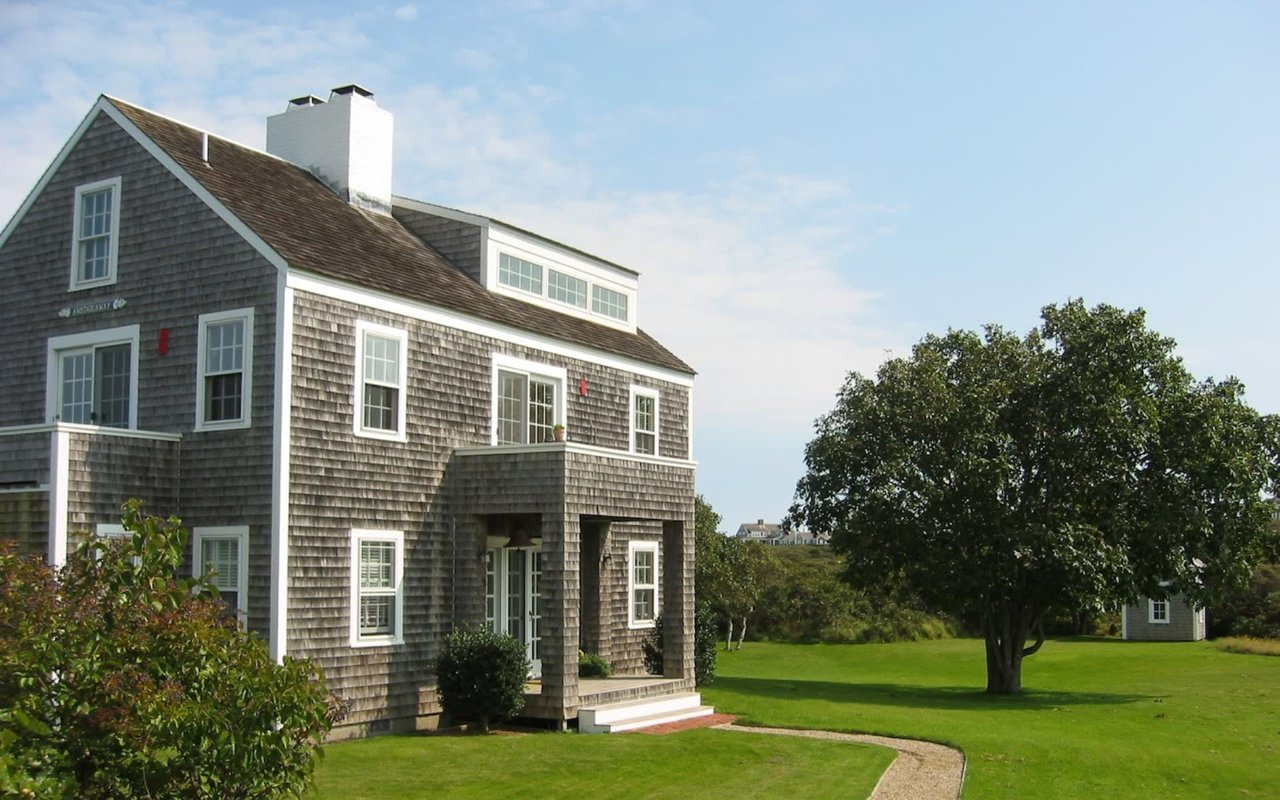
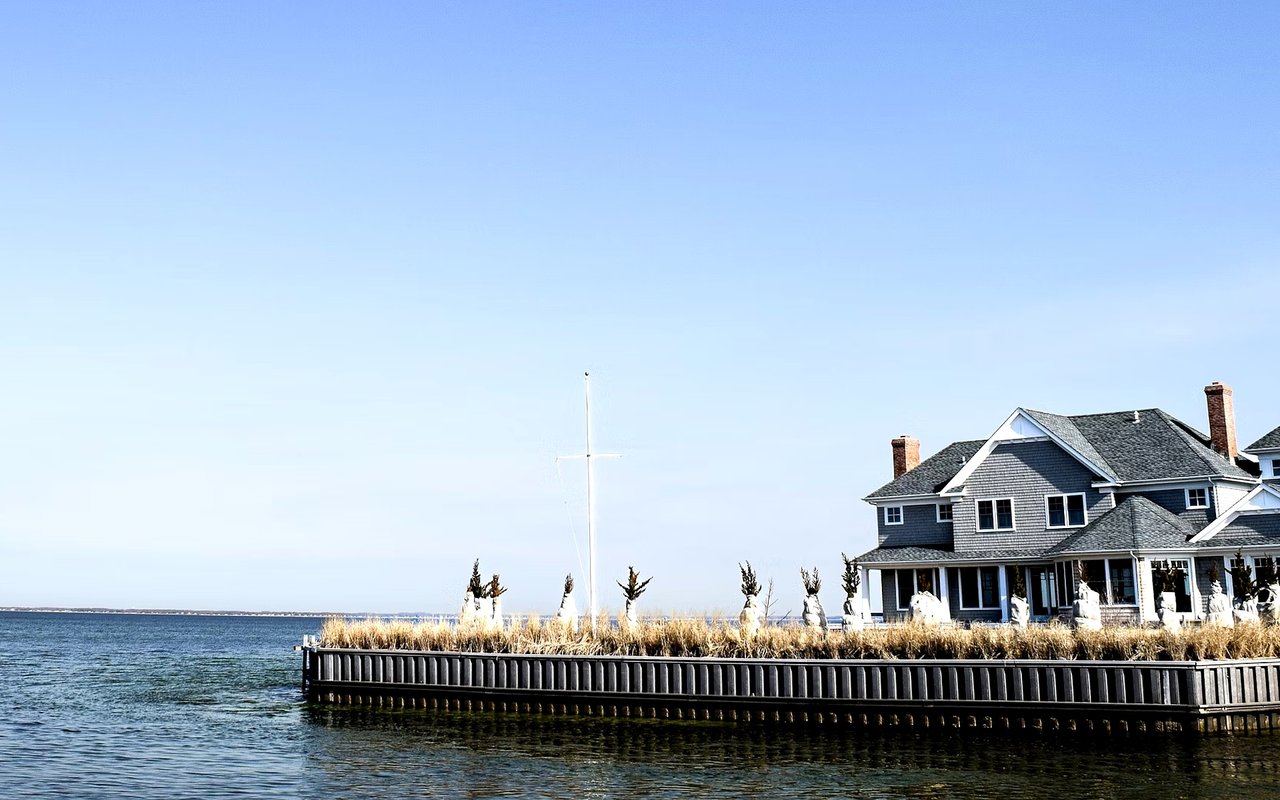
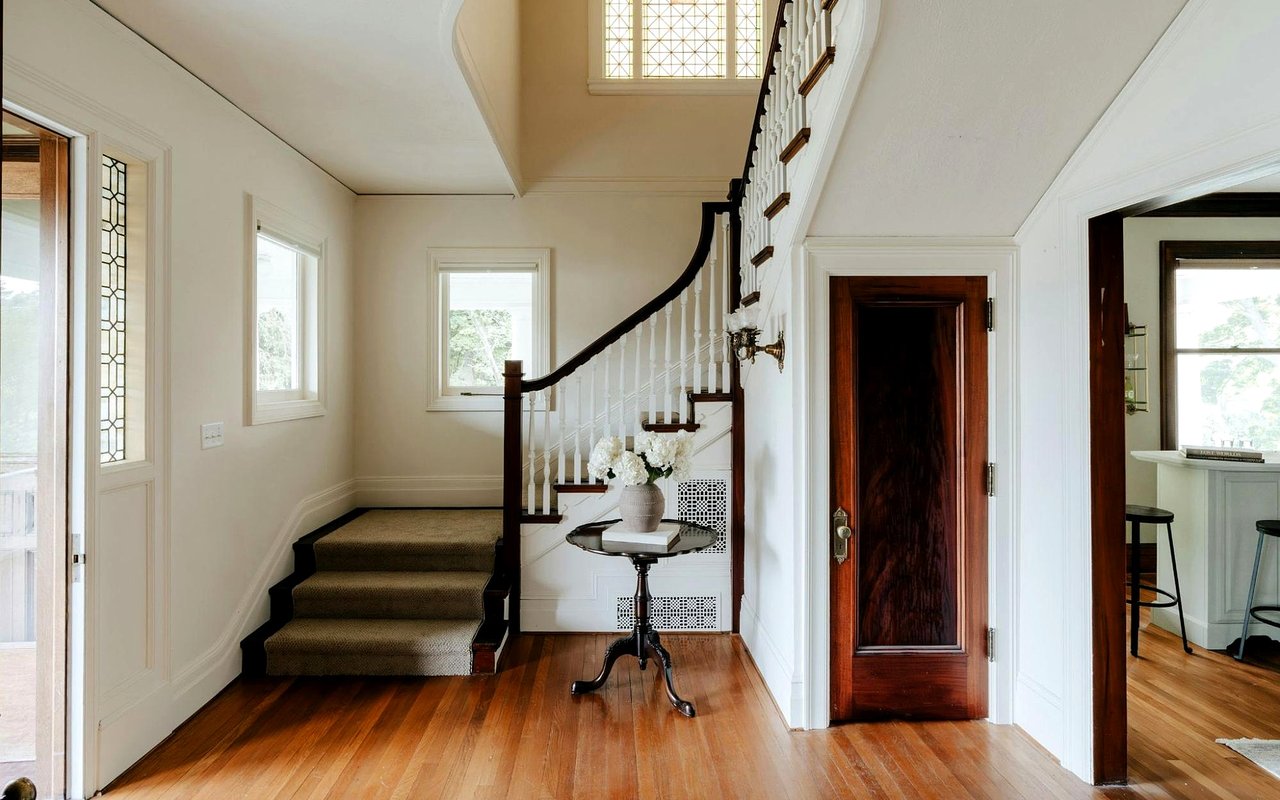
The residential neighborhoods immediately surrounding the village center contain some of the most sought-after real estate on the entire East End. The streets north and south of Main Street, including Egypt Lane, Apaquogue Road, and the lanes leading toward the ocean, are characterized by significant shingle-style estates, mature landscaping, and the kind of settled, private residential character that takes generations to develop.
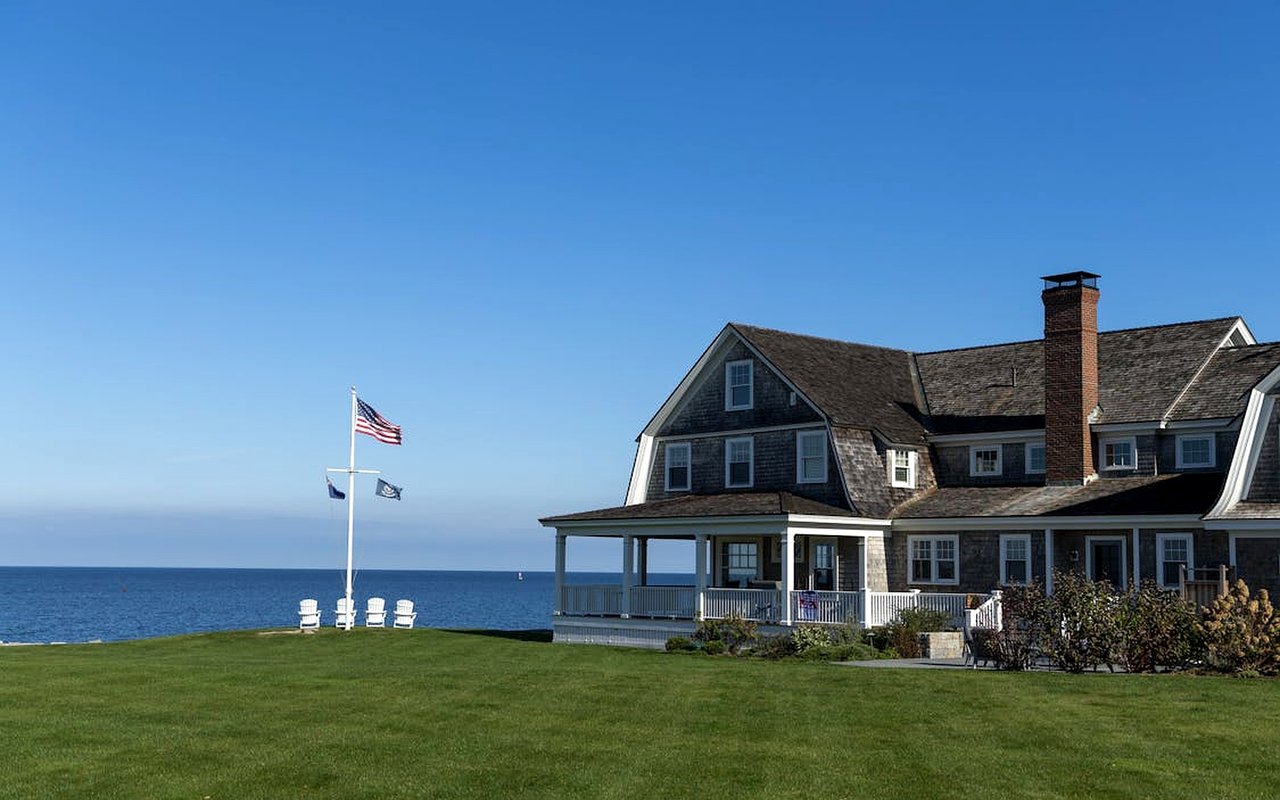
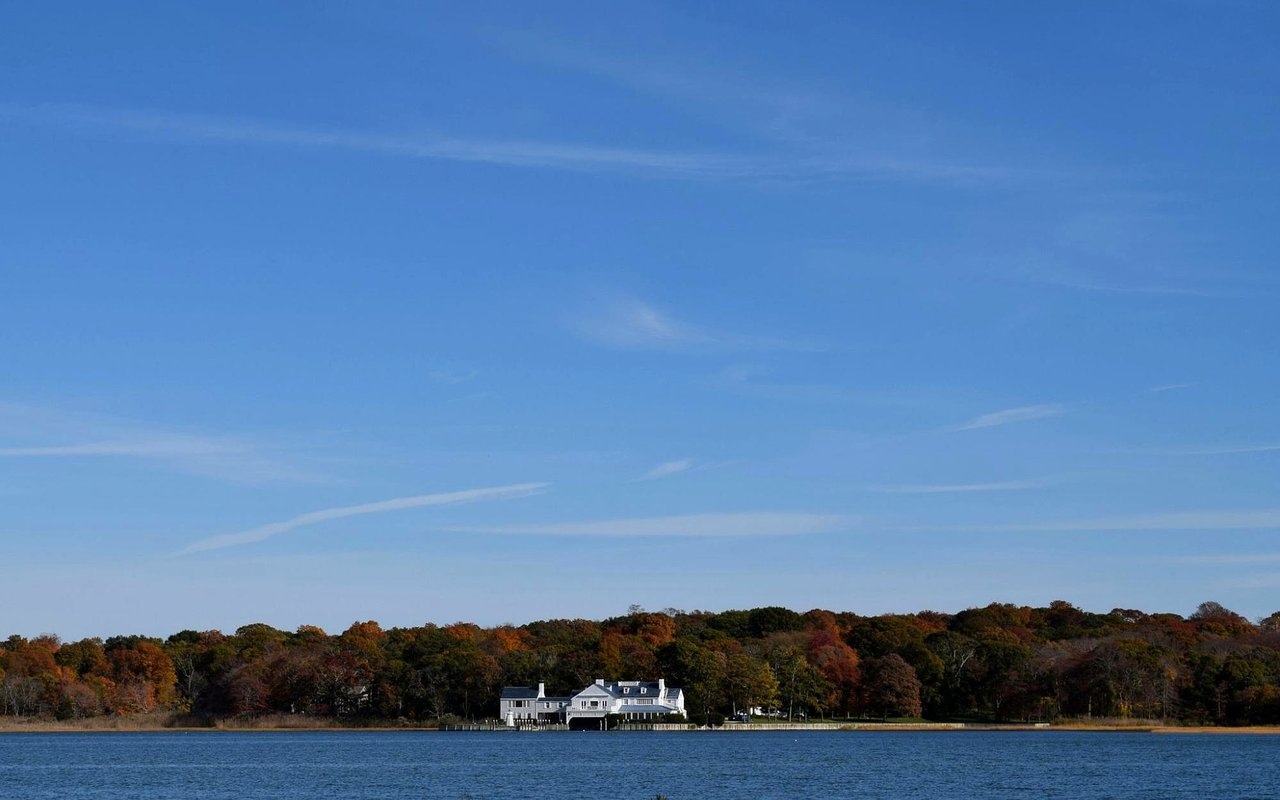
Further Lane, which extends from East Hampton toward Amagansett along the oceanfront, represents the village's most prestigious address tier. Oceanfront and ocean-view properties along this corridor change hands rarely and command prices that reflect both their scarcity and their irreplaceable position. When a Further Lane property does come to market, it attracts immediate attention from the most serious buyers in the world.
Buyers should also pay careful attention to the distinction between properties within the incorporated village boundaries and those just outside them in the surrounding Town of East Hampton. Village properties are subject to village governance and carry the full weight of the village's historic designation and land use protections. This distinction affects everything from what can be built to how properties are perceived in the broader market.
Further Lane, which extends from East Hampton toward Amagansett along the oceanfront, represents the village's most prestigious address tier. Oceanfront and ocean-view properties along this corridor change hands rarely and command prices that reflect both their scarcity and their irreplaceable position. When a Further Lane property does come to market, it attracts immediate attention from the most serious buyers in the world.
Buyers should also pay careful attention to the distinction between properties within the incorporated village boundaries and those just outside them in the surrounding Town of East Hampton. Village properties are subject to village governance and carry the full weight of the village's historic designation and land use protections. This distinction affects everything from what can be built to how properties are perceived in the broader market.
Year-Round Life in East Hampton Village
One of the most important things I communicate to buyers who are considering East Hampton Village as a second home is that the village does not simply hibernate outside of summer. The year-round community here is active, engaged, and in many ways more interesting during the quieter months than at the height of the season.
The restaurants that remain open through the fall and winter serve a devoted local clientele. Guild Hall's programming continues. The farmers market extends well into autumn. The ocean in September and October, with the summer crowds gone and the light turning extraordinary, is a revelation.
Buyers who invest in East Hampton Village properties with only a summer use model in mind are leaving value on the table, both financially and experientially. The village rewards year-round engagement, and the buyers I work with who spend the most time here across all seasons are consistently the ones who feel most fully that they have made the right decision.
The restaurants that remain open through the fall and winter serve a devoted local clientele. Guild Hall's programming continues. The farmers market extends well into autumn. The ocean in September and October, with the summer crowds gone and the light turning extraordinary, is a revelation.
Buyers who invest in East Hampton Village properties with only a summer use model in mind are leaving value on the table, both financially and experientially. The village rewards year-round engagement, and the buyers I work with who spend the most time here across all seasons are consistently the ones who feel most fully that they have made the right decision.
FAQ
What is the difference between East Hampton Village and East Hampton Town?
East Hampton Village is an incorporated municipality with its own government, zoning code, and administrative structure. East Hampton Town is the larger governmental entity that surrounds and includes the village. Properties within the village carry the village's specific designations and protections, while properties in the town outside the village are governed by town regulations. The distinction significantly affects property character, permitting, and market positioning.
How competitive is the East Hampton Village real estate market?
Extremely competitive. Inventory within the village's incorporated boundaries is limited by geography and stringent land use protections. Desirable properties attract multiple serious buyers quickly, and the most exceptional listings rarely remain available for extended periods. Buyers who are serious about the village should be prepared to act decisively when the right property appears.
Are there rental restrictions within East Hampton Village?
East Hampton Village has its own short-term rental regulations that buyers with income-generating intentions must review carefully. The village has been active in managing rental activity to protect residential character, and the regulatory environment requires thorough due diligence before purchase.
What architectural styles are most common in East Hampton Village?
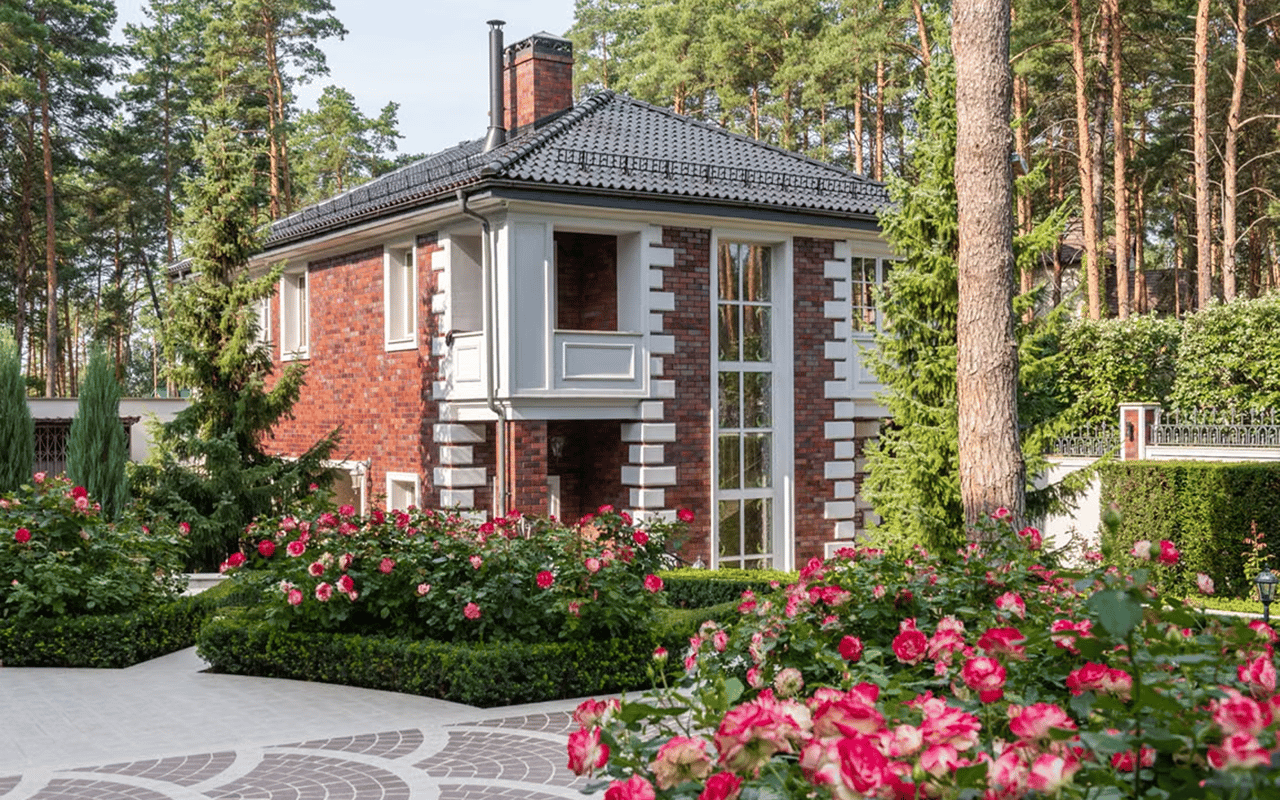
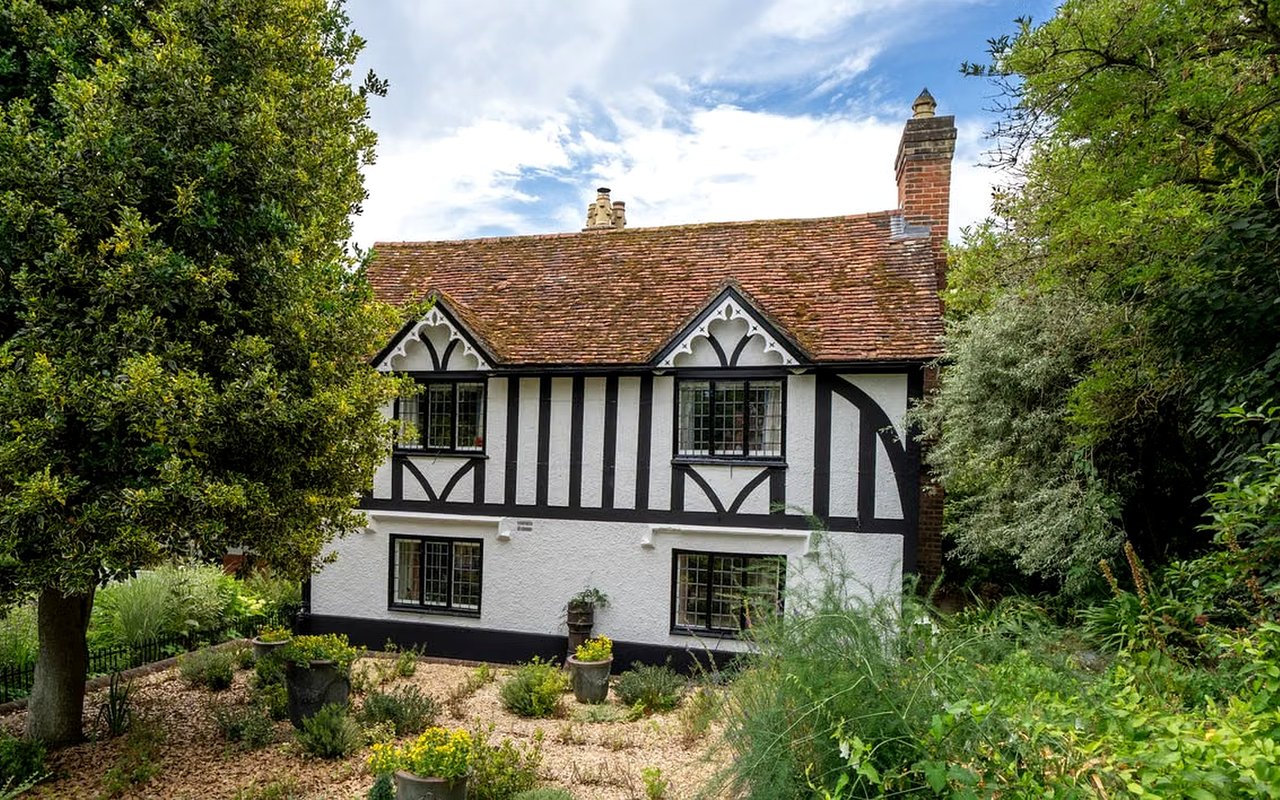
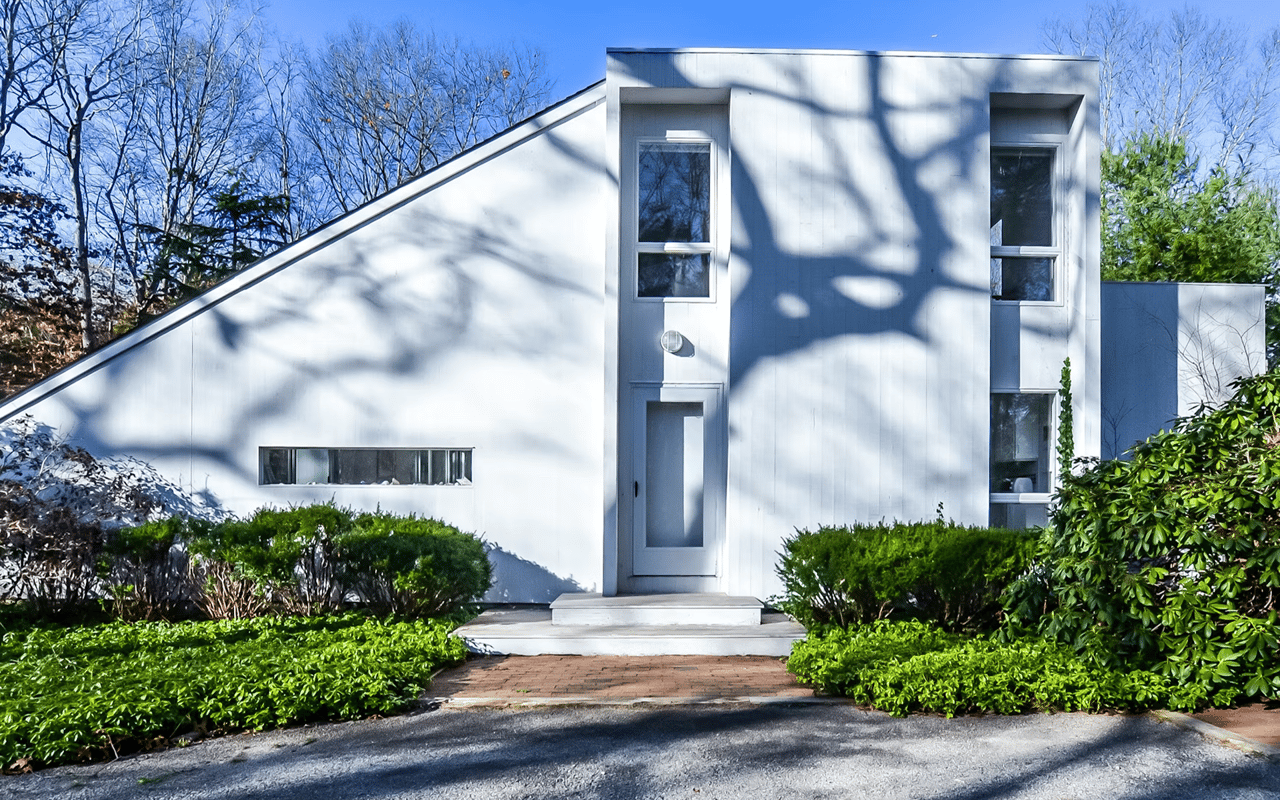
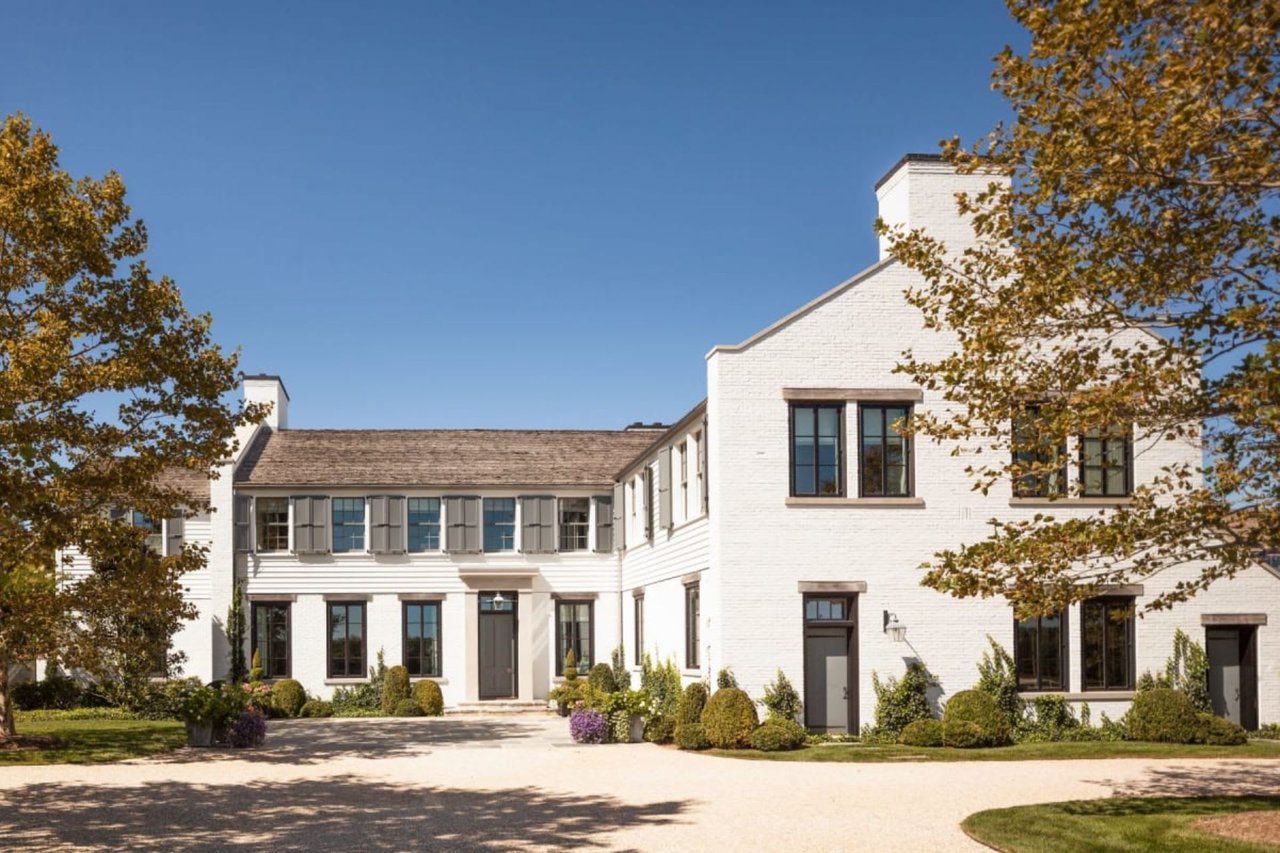
The dominant architectural vocabulary is the historic shingle style, which suits the village's New England-influenced heritage beautifully. Buyers will also find updated Georgians, converted carriage houses, and a careful integration of modern construction that respects the village's historic character guidelines.
Is East Hampton Village accessible by public transportation?
Yes. The East Hampton station on the Long Island Rail Road's Montauk Branch provides direct service from New York Penn Station, making the village accessible without a car for buyers who prefer train travel. The station is within comfortable distance of the village center on foot or by local transportation.
East Hampton Village is not simply a place to own a home. It is a community to belong to, a landscape to inhabit deeply, and an investment in a way of life that has proven its value across generations. When you are ready to explore what ownership here truly means, I welcome the conversation. Reach out to me today and let me bring the full depth of my local knowledge to your search for the right East Hampton Village property.
East Hampton Village is not simply a place to own a home. It is a community to belong to, a landscape to inhabit deeply, and an investment in a way of life that has proven its value across generations. When you are ready to explore what ownership here truly means, I welcome the conversation. Reach out to me today and let me bring the full depth of my local knowledge to your search for the right East Hampton Village property.