By Susan Breitenbach
One of the things I never tire of is driving through the villages of the East End and seeing how much architectural history is packed into a relatively small stretch of Long Island. From saltbox farmhouses built by English settlers in the 1600s to glass-and-steel contemporary estates on oceanfront lots, the Hamptons tell the story of American architecture across four centuries. For a buyer, understanding that history is not just interesting — it changes how you see and evaluate every property you walk through.
Key Takeaways
-
Hamptons architecture spans four distinct eras: colonial saltbox, Gilded Age shingle-style, mid-century modernist, and contemporary
-
The Long Island Rail Road's arrival in 1870 brought wealthy New Yorkers and the architects who designed the shingle-style summer cottages that still define the East End aesthetic
-
Mulford Farm in East Hampton, built in 1680, is one of the most intact English colonial farmsteads in the United States
-
Contemporary architecture has accelerated in recent years, with glass-walled estates and architect-designed new builds now commanding significant premiums
The Colonial Foundation: Saltbox Homes and English Farmsteads
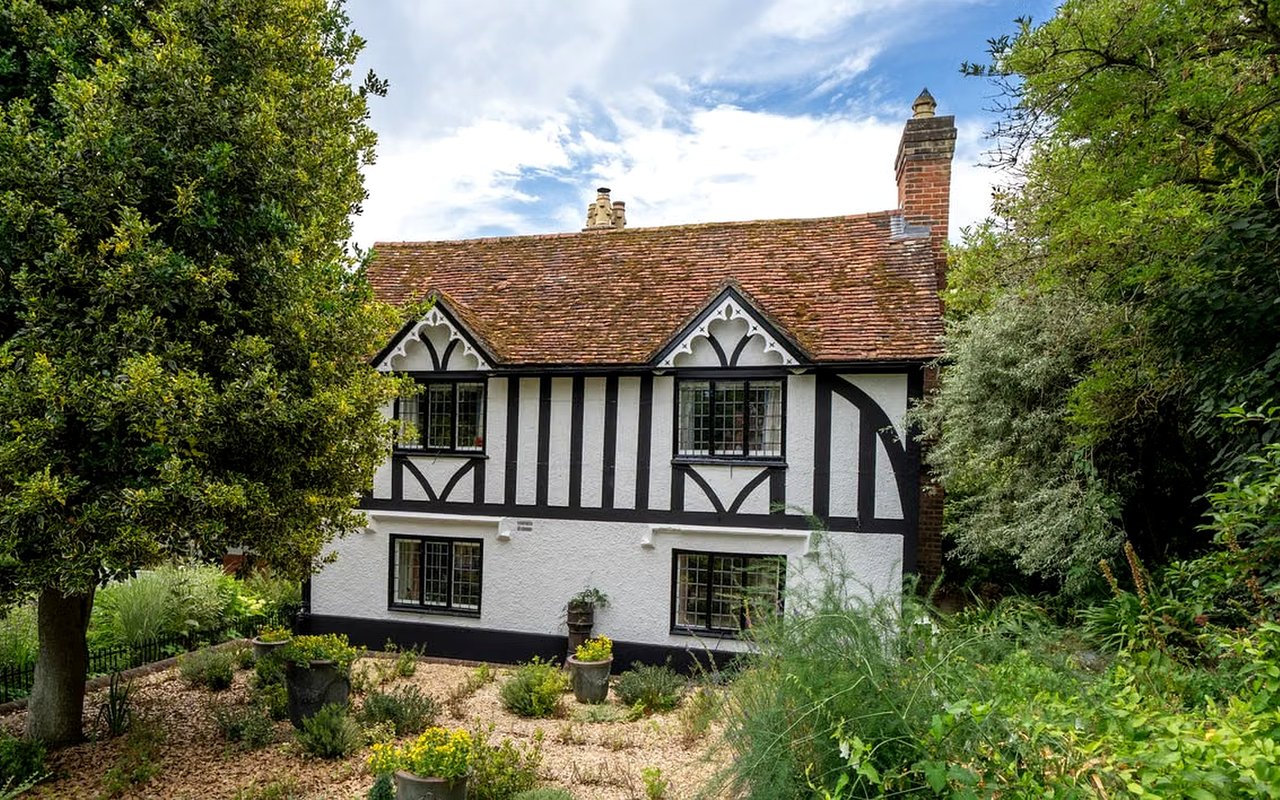
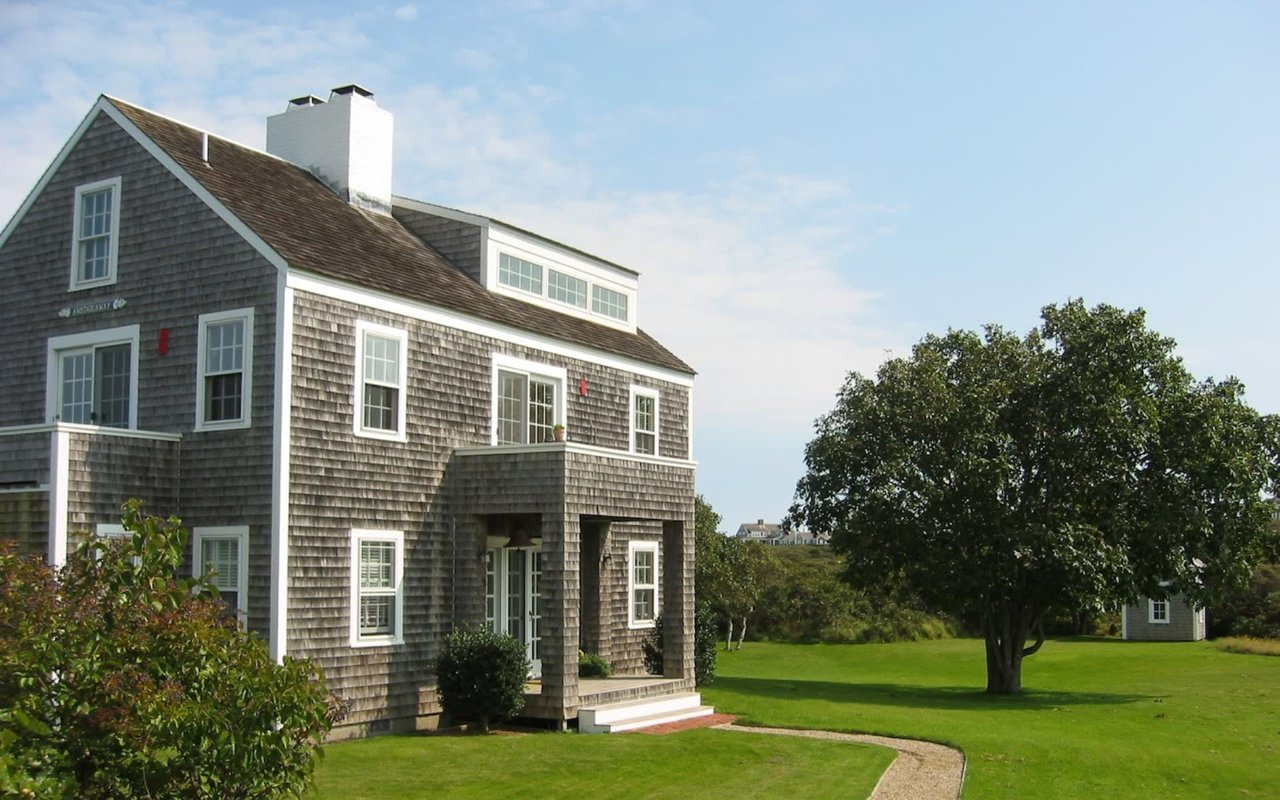
Southampton was founded in 1640 by English settlers from Lynn, Massachusetts. East Hampton followed in 1648, settled by colonists who had come from Connecticut Colony and from Southampton itself. The homes they built reflected what they knew: saltbox lean-tos with oak framing, pine paneling, and cedar shingles. Cedar was the practical choice — local, abundant, and resistant to the salt air that corroded everything else. These were working homes, built by farmers, not by architects.
Two of the most significant surviving examples sit just off East Hampton's Village Green. Home Sweet Home on James Lane dates from the early 1700s and is considered the most distinguished saltbox lean-to in East Hampton. Around the corner, Mulford Farm at 10 James Lane was built in 1680 and is listed on the National Register of Historic Places as one of the most intact English colonial farmsteads in America. The farmhouse has been left largely unchanged since 1750 — an extraordinary survival that gives anyone who walks through it a direct connection to the East End's agricultural origins.
Two of the most significant surviving examples sit just off East Hampton's Village Green. Home Sweet Home on James Lane dates from the early 1700s and is considered the most distinguished saltbox lean-to in East Hampton. Around the corner, Mulford Farm at 10 James Lane was built in 1680 and is listed on the National Register of Historic Places as one of the most intact English colonial farmsteads in America. The farmhouse has been left largely unchanged since 1750 — an extraordinary survival that gives anyone who walks through it a direct connection to the East End's agricultural origins.
Defining Features of Colonial Hamptons Architecture
-
Saltbox or lean-to form — a long rear roof slope extending nearly to the ground, creating the distinctive asymmetrical profile
-
Unpainted cedar shingles that weather to the silvery-gray tone now synonymous with Hamptons aesthetics
-
Oak framing, pine paneling, and post-and-beam barns — several original barns have been preserved and now form part of East Hampton Town Hall
-
Modest scale and functional layout, built for farming families rather than summer retreats
The Gilded Age Transformation: Shingle-Style Summer Cottages
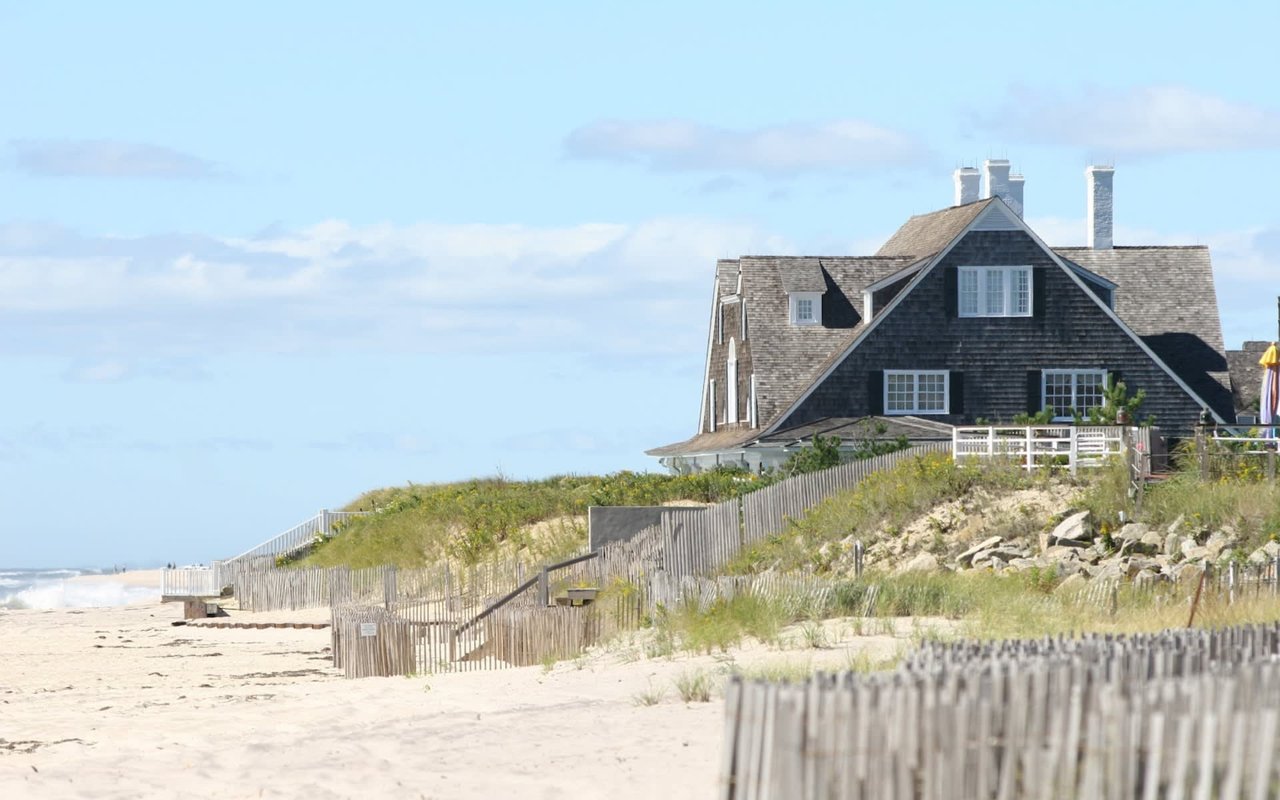
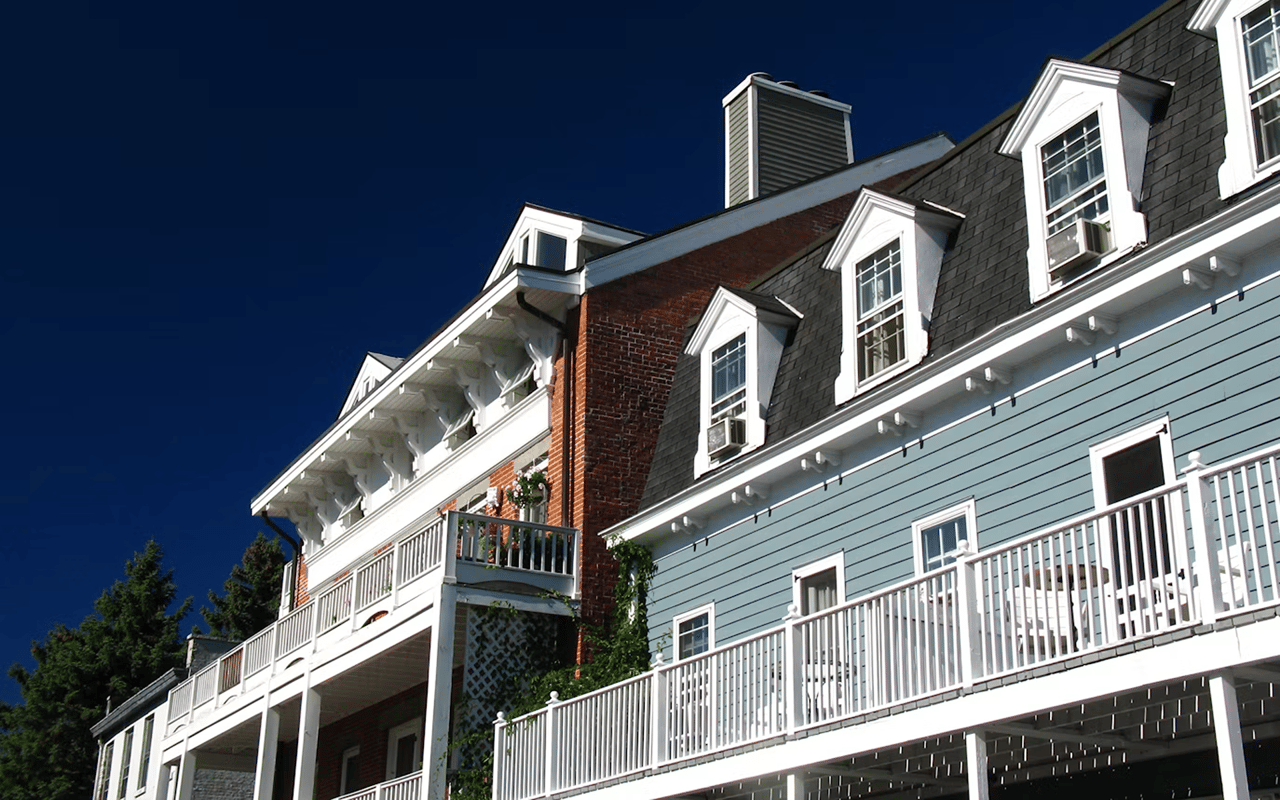
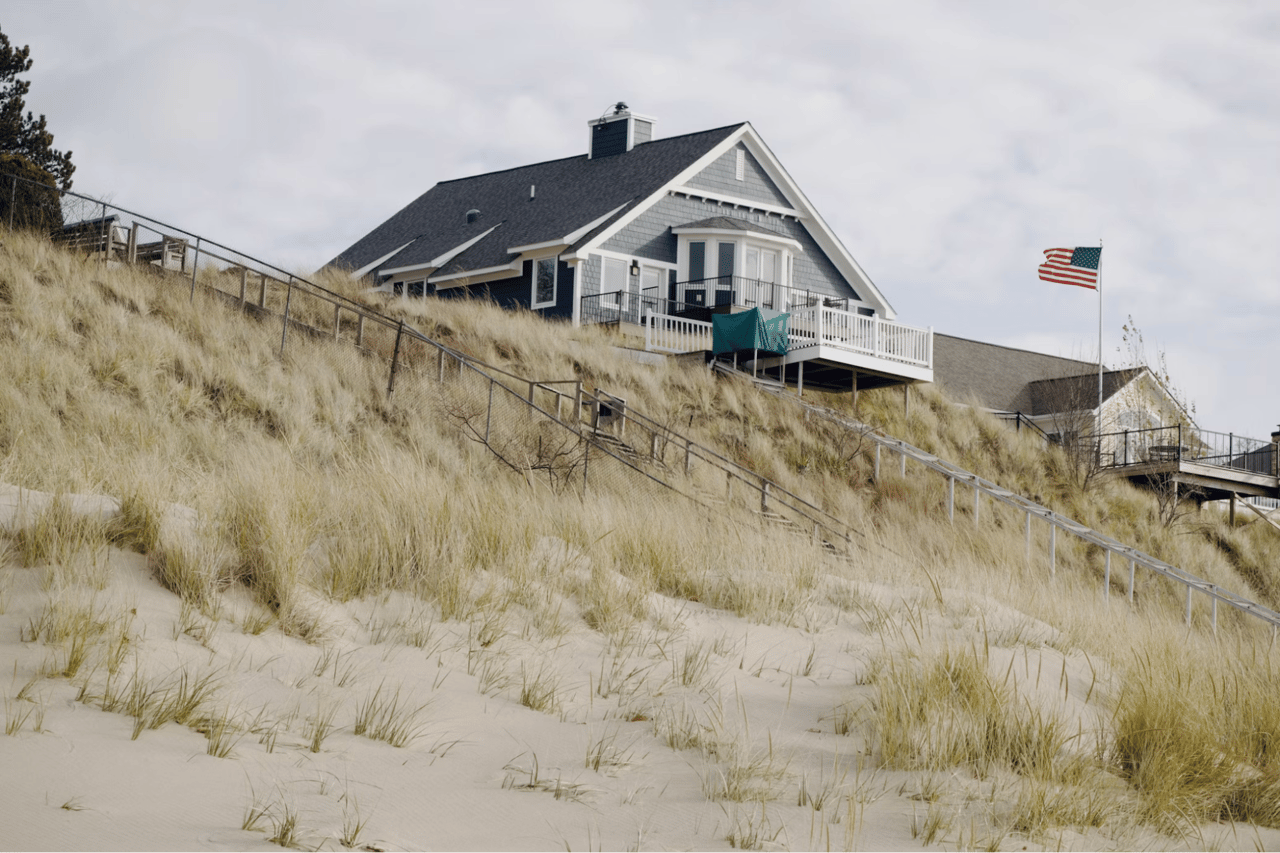
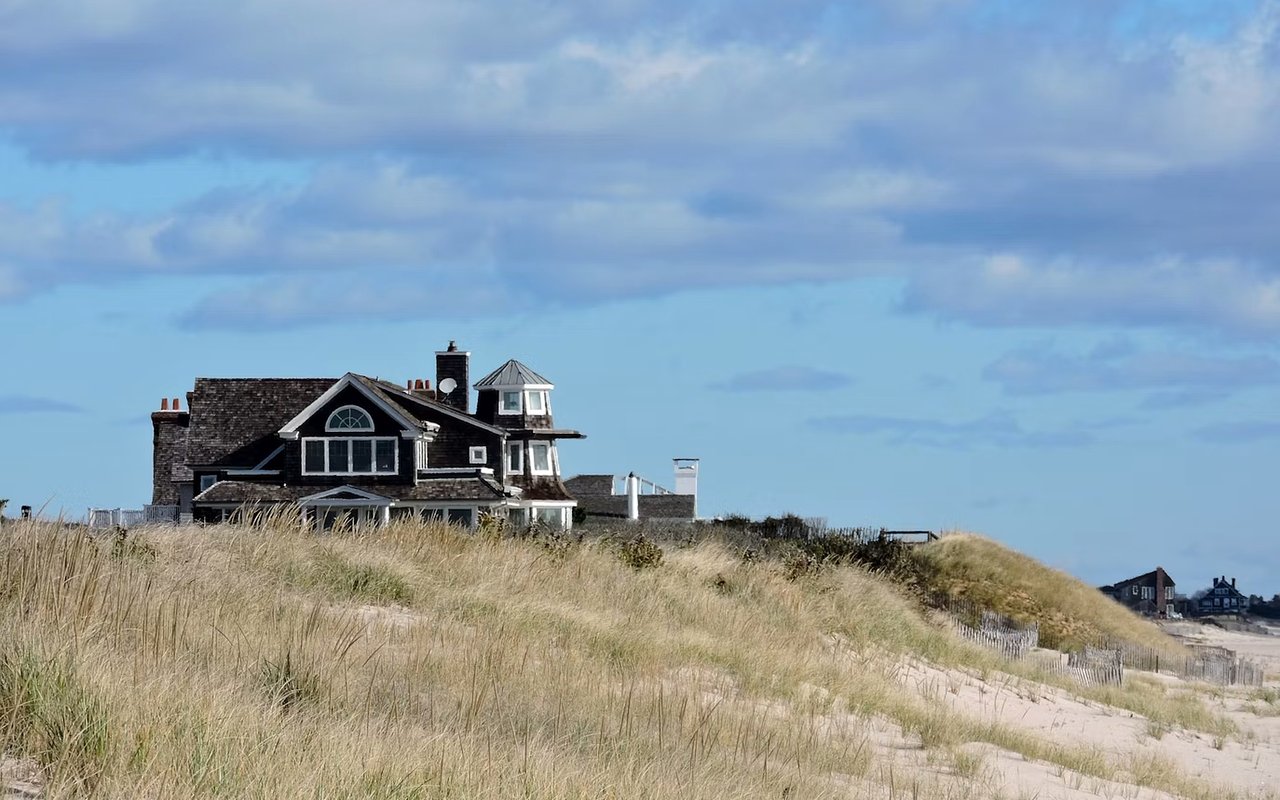
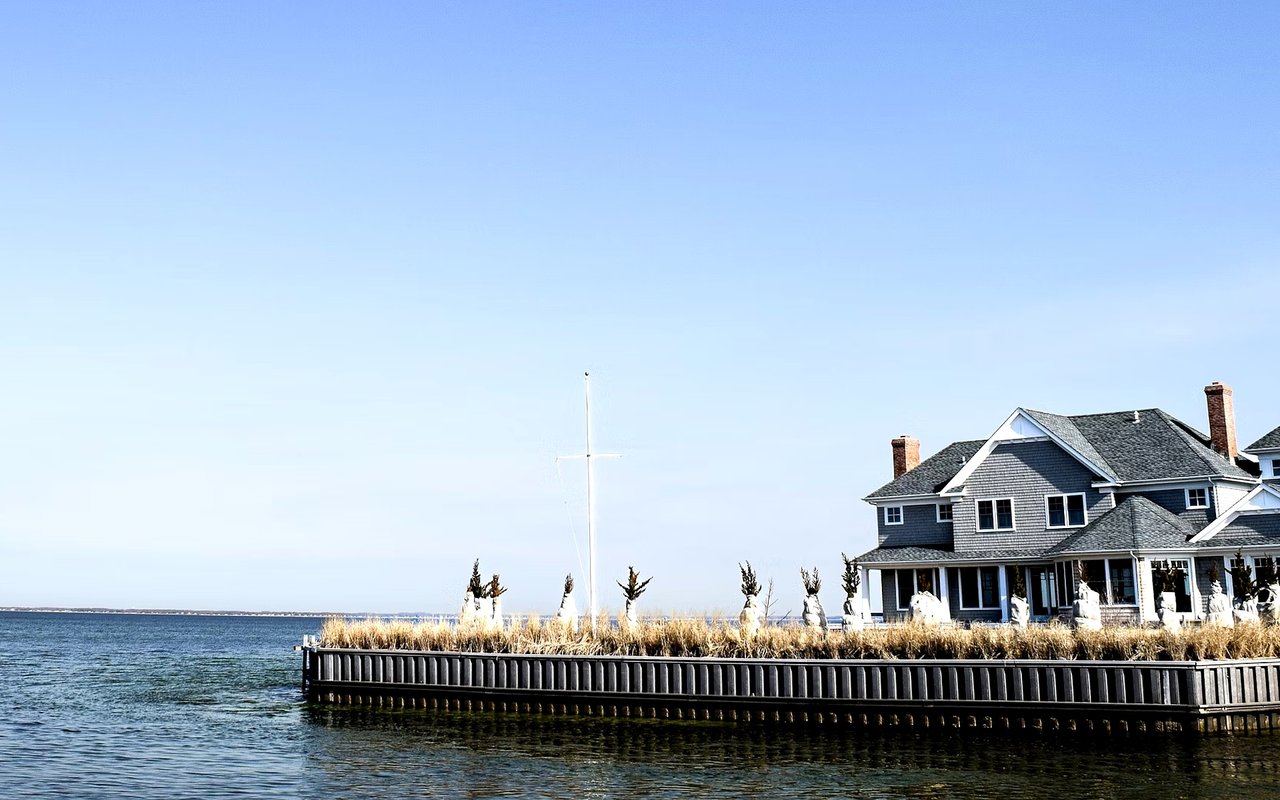
Everything changed in 1870 when the Long Island Rail Road reached Bridgehampton. Manhattan's wealthy arrived for the summer, and with them came the architects who would define the Hamptons' visual identity for the next century. The shingle-style home — cedar-shingled, asymmetrical, with wraparound porches, complex rooflines, and generous groupings of windows — became the architecture of the East End's summer colony.
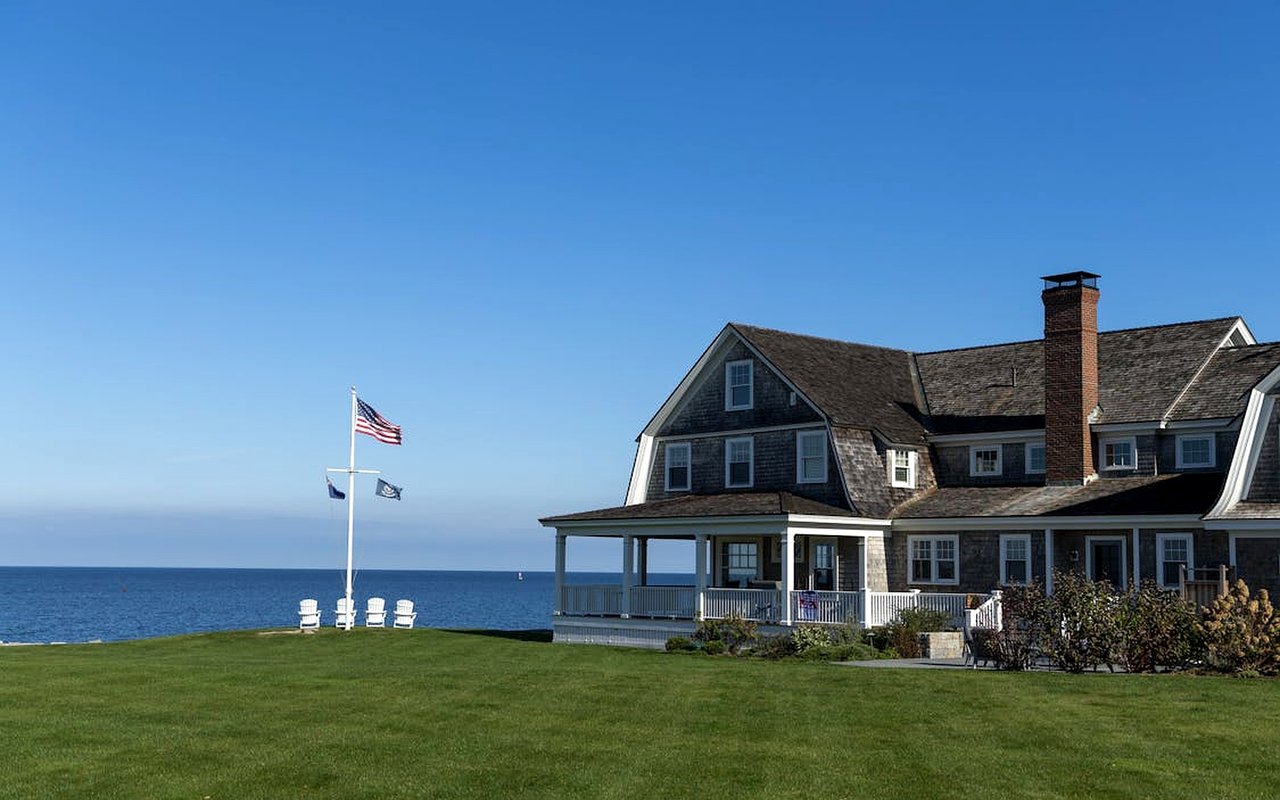
Stanford White of McKim, Mead & White was among the most influential architects working on the East End from the 1880s forward. The shingle style his firm helped develop here was a deliberate departure from Victorian ornament: grand in scale but informal in character, designed to feel relaxed and coastal rather than pretentious. Lily Pond Lane in East Hampton and the estate sections of Southampton Village still hold some of the finest surviving examples of this era. Dunemere Lane in East Hampton carries Gilded Age summer colony homes that have remained largely intact for well over a century.
Stanford White of McKim, Mead & White was among the most influential architects working on the East End from the 1880s forward. The shingle style his firm helped develop here was a deliberate departure from Victorian ornament: grand in scale but informal in character, designed to feel relaxed and coastal rather than pretentious. Lily Pond Lane in East Hampton and the estate sections of Southampton Village still hold some of the finest surviving examples of this era. Dunemere Lane in East Hampton carries Gilded Age summer colony homes that have remained largely intact for well over a century.
Defining Features of Shingle-Style Architecture
-
Continuous cedar shingle cladding on walls and roofs, often weathered to a natural gray
-
Asymmetrical facades with steeply sloped, complex rooflines
-
Wraparound porches designed for outdoor living and ocean views
-
Large groupings of windows and open, flowing interior plans
-
Generous scale — these were not modest cottages despite the name
Mid-Century Modernism: A Different Vision for the East End
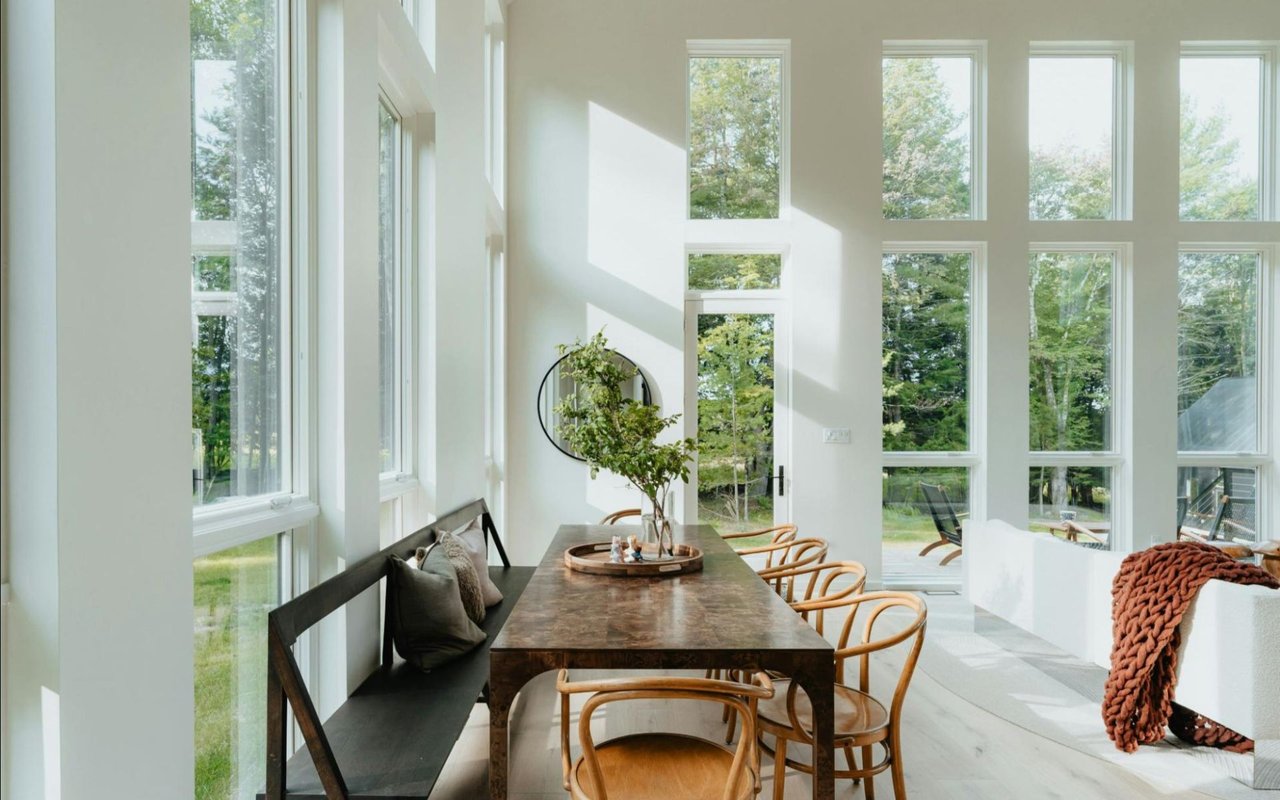
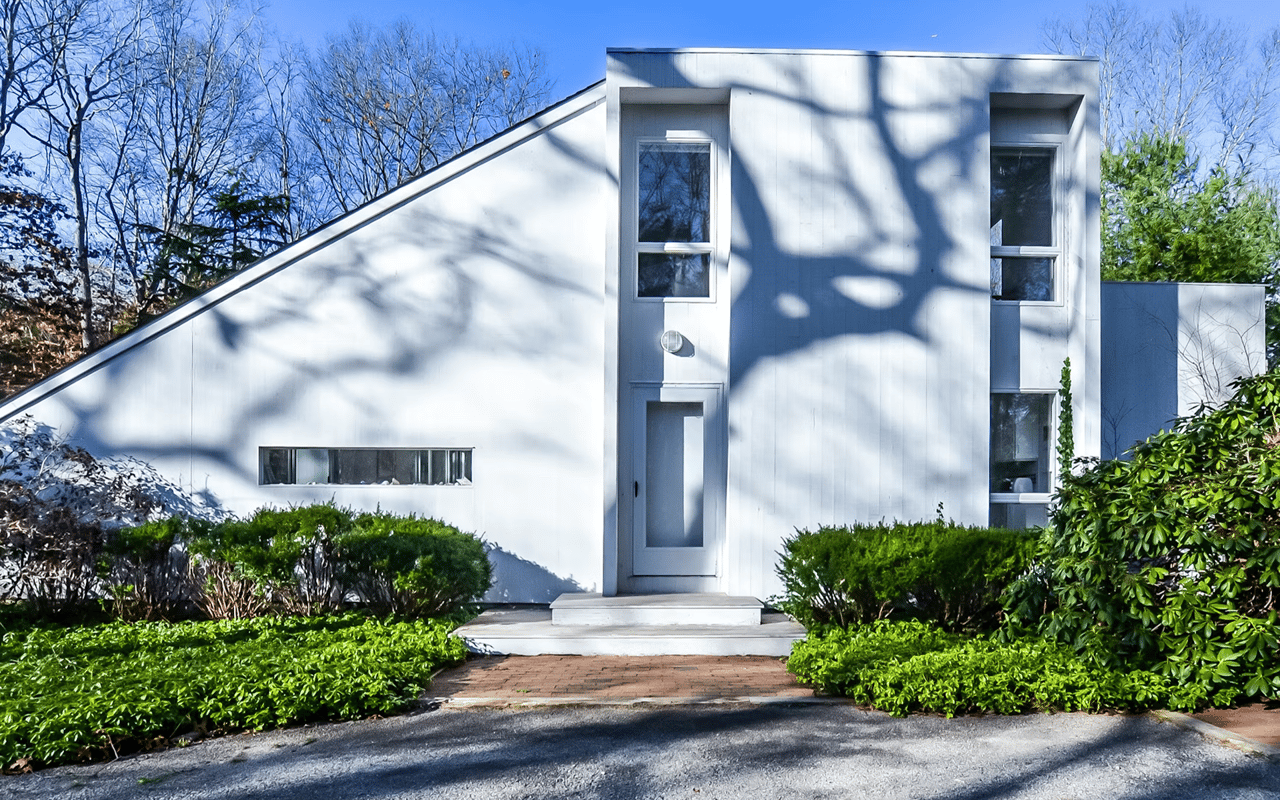
The artists and architects who arrived in the Hamptons after World War II brought an entirely different set of ideas about how to inhabit the landscape. Where the shingle-style cottage sheltered its residents from the ocean environment, the modernist glass house immersed them in it. Architects like Norman Jaffe — known as the father of modernist architecture on the East End, who moved to Bridgehampton in 1973 and designed more than 50 local houses — introduced cantilevered volumes, floor-to-ceiling glass, and spatial transparency to a landscape that had known only shingles and clapboard.
One of the most celebrated moments in East End modernist architecture came in 1965, when Charles Gwathmey designed a house and studio for his parents on Bluff Road in Amagansett. The angular, geometric structure became an immediate landmark of modernist residential design and established Gwathmey's reputation as one of the most important architects of his generation.
The Springs area of East Hampton, long an artists' colony and home to Jackson Pollock and Lee Krasner, became another pocket of modernist experimentation — homes designed to support creative work rather than summer entertaining.
One of the most celebrated moments in East End modernist architecture came in 1965, when Charles Gwathmey designed a house and studio for his parents on Bluff Road in Amagansett. The angular, geometric structure became an immediate landmark of modernist residential design and established Gwathmey's reputation as one of the most important architects of his generation.
The Springs area of East Hampton, long an artists' colony and home to Jackson Pollock and Lee Krasner, became another pocket of modernist experimentation — homes designed to support creative work rather than summer entertaining.
Defining Features of Mid-Century Modernist Homes
-
Floor-to-ceiling glass walls that frame and connect to the surrounding landscape
-
Clean lines, cantilevered volumes, and minimal ornamentation
-
Open floor plans designed around light and spatial flow rather than formal rooms
-
Natural materials — wood, stone, concrete — used in a way that references the landscape
-
Siting that prioritizes views and the relationship between interior and exterior
Contemporary Architecture: The East End's Current Chapter
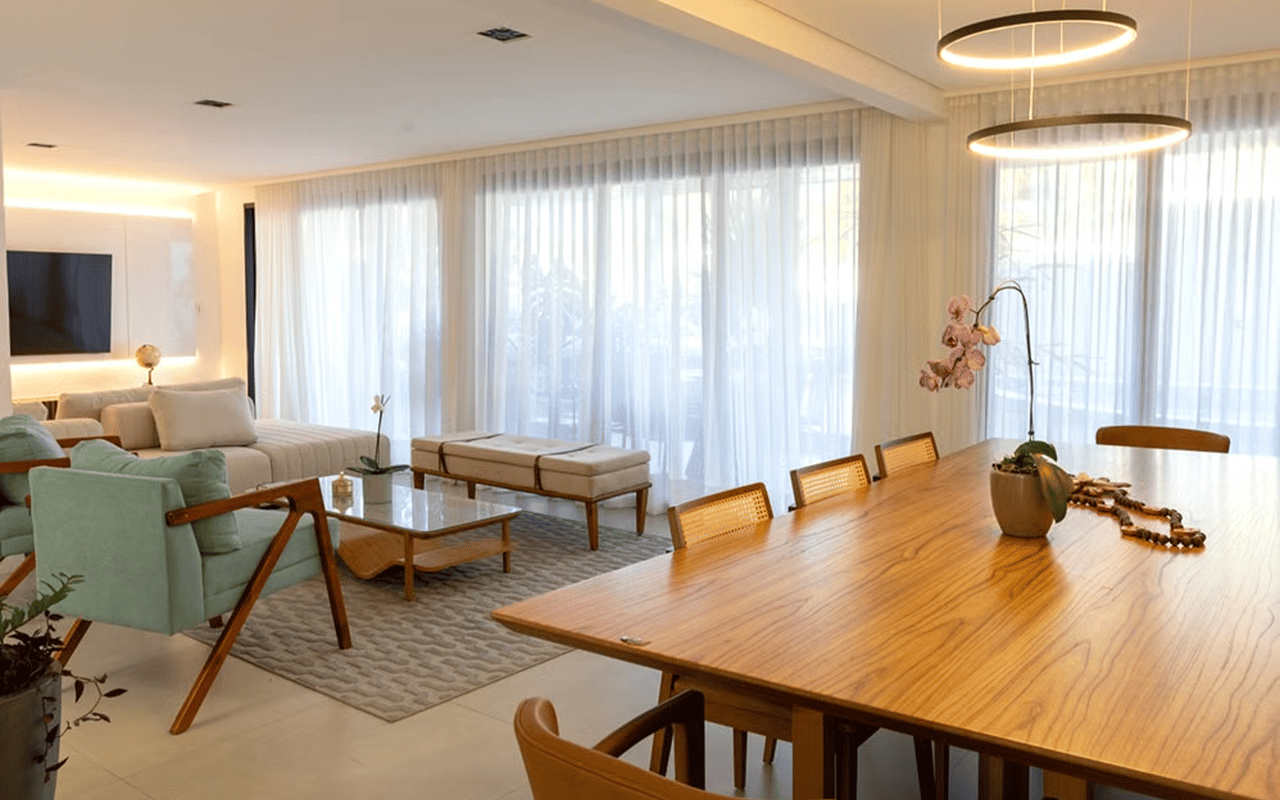
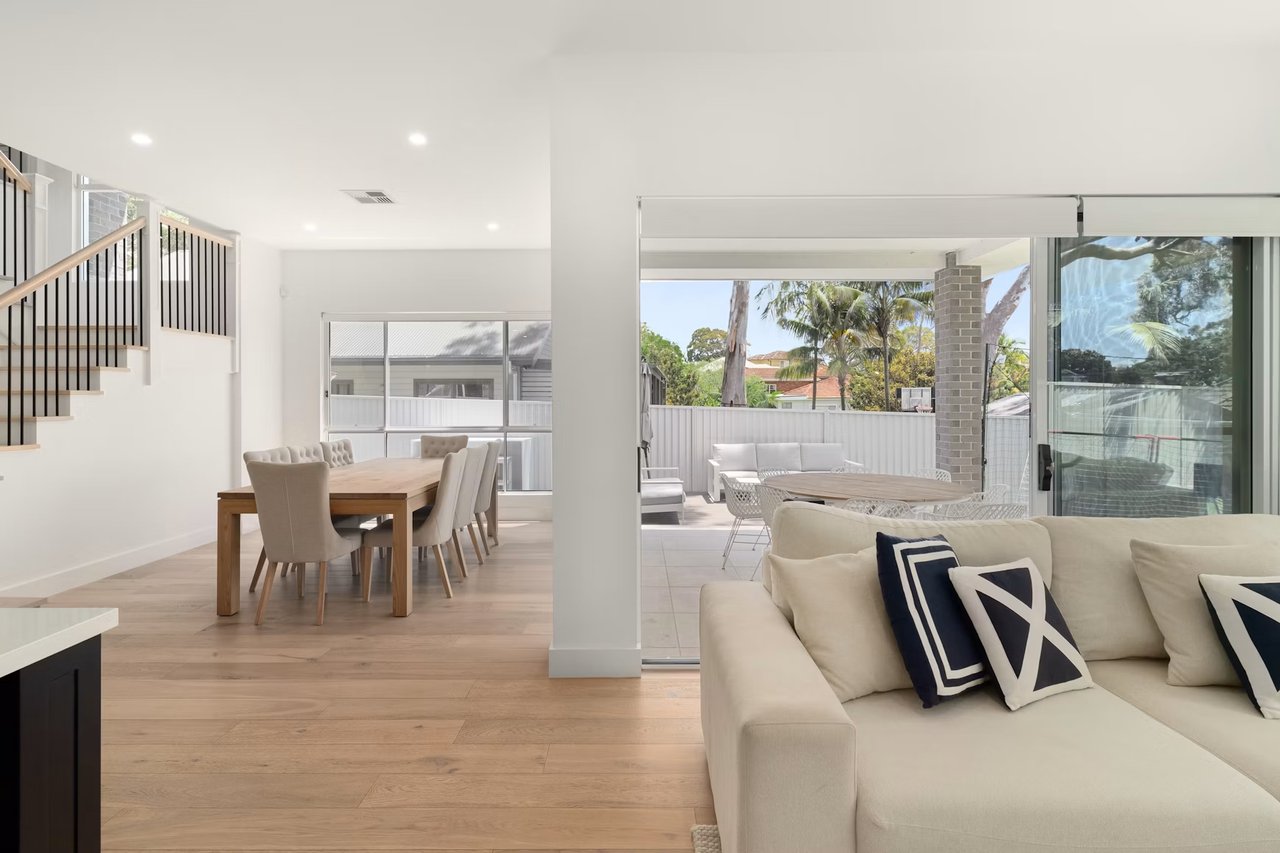
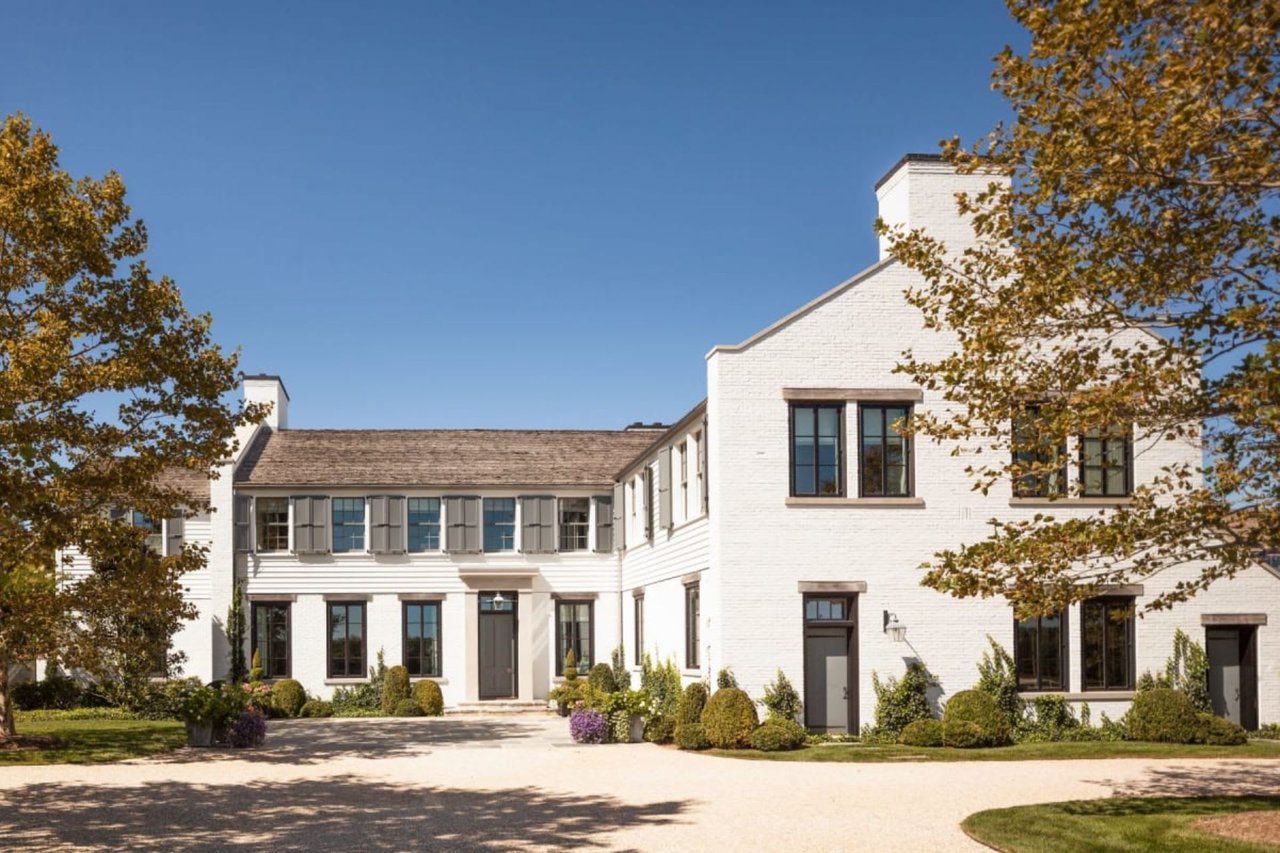
The past two decades have brought a wave of architect-designed contemporary builds that reflect the Hamptons' transformation from seasonal retreat to year-round destination for many owners. Firms from New York and internationally are now active on the East End, designing estates that incorporate sustainable systems, smart-home technology, and architectural language that would have been unimaginable on these lots thirty years ago.
What Contemporary Hamptons Architecture Looks Like Today
-
Large glazed facades that maximize ocean and landscape views
-
Sustainable features including solar panels, geothermal heating, and green roofs
-
Indoor-outdoor connections with retractable walls and expansive terraces
-
Architect-designed custom homes on formerly undeveloped oceanfront and waterfront lots
-
New builds that reference shingle-style proportion and materiality while embracing contemporary spatial planning
FAQs
Does architectural style affect resale value in the Hamptons?
It matters, but not in a simple hierarchy. Shingle-style homes in historic village locations consistently hold strong value because demand for them is steady and supply is finite. Contemporary architect-designed estates at the high end can command significant premiums when the design is exceptional and the location is right. The mid-market is more varied — style matters less than condition, location, and whether the home works for how buyers actually want to live.
Are there restrictions on modifying historic Hamptons homes?
Many properties in East Hampton Village and Southampton Village fall within local historic districts or are subject to architectural review board oversight, which means exterior changes require approval. Buyers interested in significant renovations to older homes need to understand those constraints before making an offer. I always walk clients through the local regulatory environment before they commit to a property that may have restrictions attached.
What is driving demand for contemporary new builds in the Hamptons right now?
The shift toward year-round use has been the biggest factor. Buyers who are living in their Hamptons homes through fall and winter want open layouts, generous natural light, home offices, and amenities designed for daily life — not just summer entertaining. Contemporary new builds are designed around that use pattern in a way that many older homes, even beautiful ones, simply are not. That is creating real demand at the top end for thoughtfully designed, move-in ready contemporary homes.
Contact Me Today
The architectural range of the Hamptons is one of the things that makes this market genuinely interesting — and it is one of the reasons that finding the right home here takes local knowledge, not just a search filter. If you are looking for a historic shingle-style estate, a mid-century modernist glass house, or a newly built contemporary, I know this inventory in a way that comes only from decades of work in these specific markets.
Reach out to me, Susan Breitenbach, and let's talk about what kind of home you are looking for on the East End.
Reach out to me, Susan Breitenbach, and let's talk about what kind of home you are looking for on the East End.