Montauk vs The Hamptons: Real Estate & Lifestyle Comparison
Montauk offers a raw oceanfront lifestyle with a median home price near $2.4M, compared to the core Hamptons market where median prices exceed $3.8M across historic villages like Southampton and East Hampton. While Montauk features coastal bluffs and casual surf culture 120 miles from Manhattan, the Hamptons provides established estate prestige and formal architecture.
Comparing South Fork Coastal Markets?
Explore available inventory across both distinct East End luxury environments:
Market Feature | Montauk | The Core Hamptons |
|---|---|---|
Price Range | $1.5M to $25M+ | $2.5M to $150M+ |
Median Price | $2,400,000 | $3,850,000 |
Schools / District | Montauk Union Free School District | Southampton UFSD, East Hampton UFSD, Bridgehampton UFSD |
Commute from NYC | 120 miles: approx 3 hours by car or LIRR direct | 95 to 105 miles: approx 2 to 2.5 hours by car or LIRR |
Lifestyle & Atmosphere | Surfing, commercial fishing, casual beach energy, bluffs | Formal village shopping, country clubs, fine dining, art galleries |
Our Pick For | Buyers seeking ocean proximity, dramatic terrain, and laid-back retreat | Buyers seeking legacy estate holdings, village density, and traditional prestige |
By Susan Breitenbach
When buyers come to me asking about the eastern tip of Long Island, they often group Montauk and the Hamptons together as though they are interchangeable. I understand why. Both sit on the South Fork. Both draw affluent seasonal residents. Both carry the kind of cachet that makes them perennial subjects of travel features and real estate coverage.
But in my experience, buyers who treat these two markets as variations on the same theme often find themselves surprised once they spend real time in each place. Montauk and the Hamptons are genuinely distinct destinations, and the differences between them go far deeper than geography.
Understanding Where Montauk Sits Within the East End
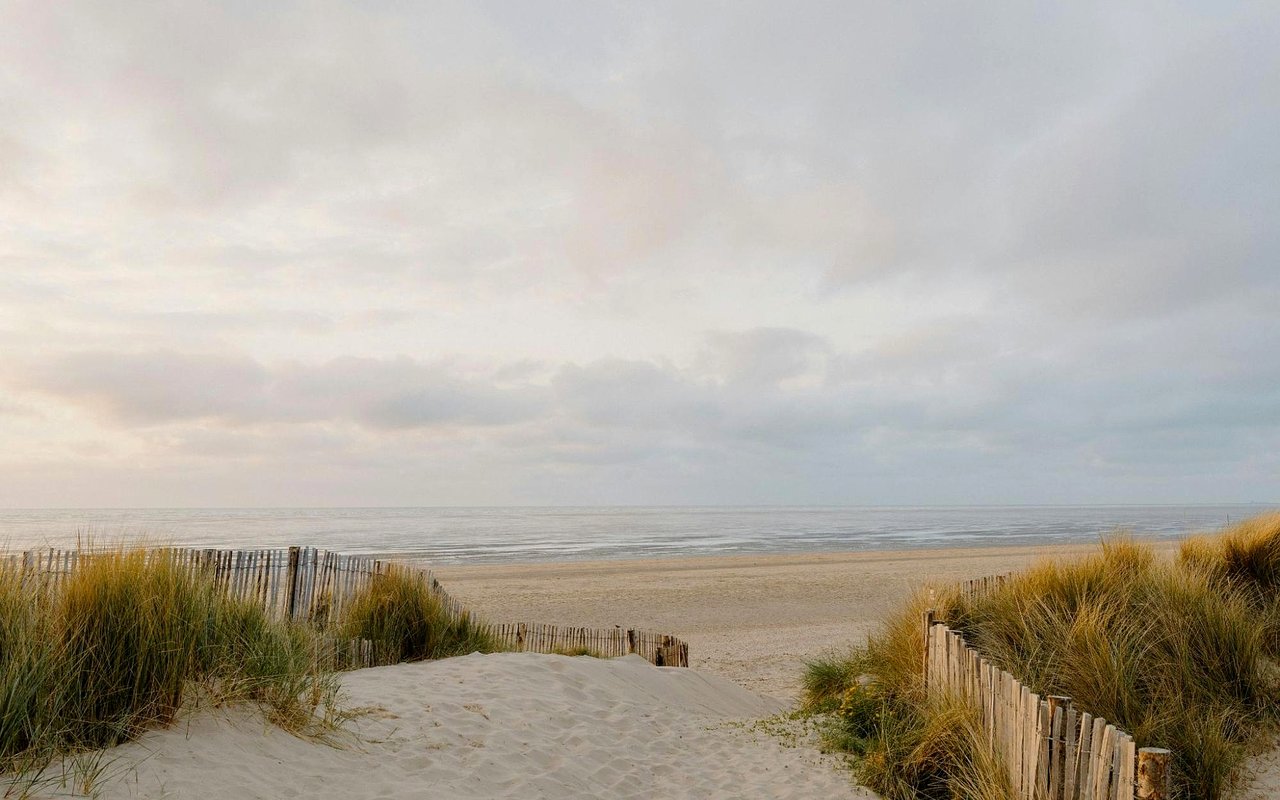
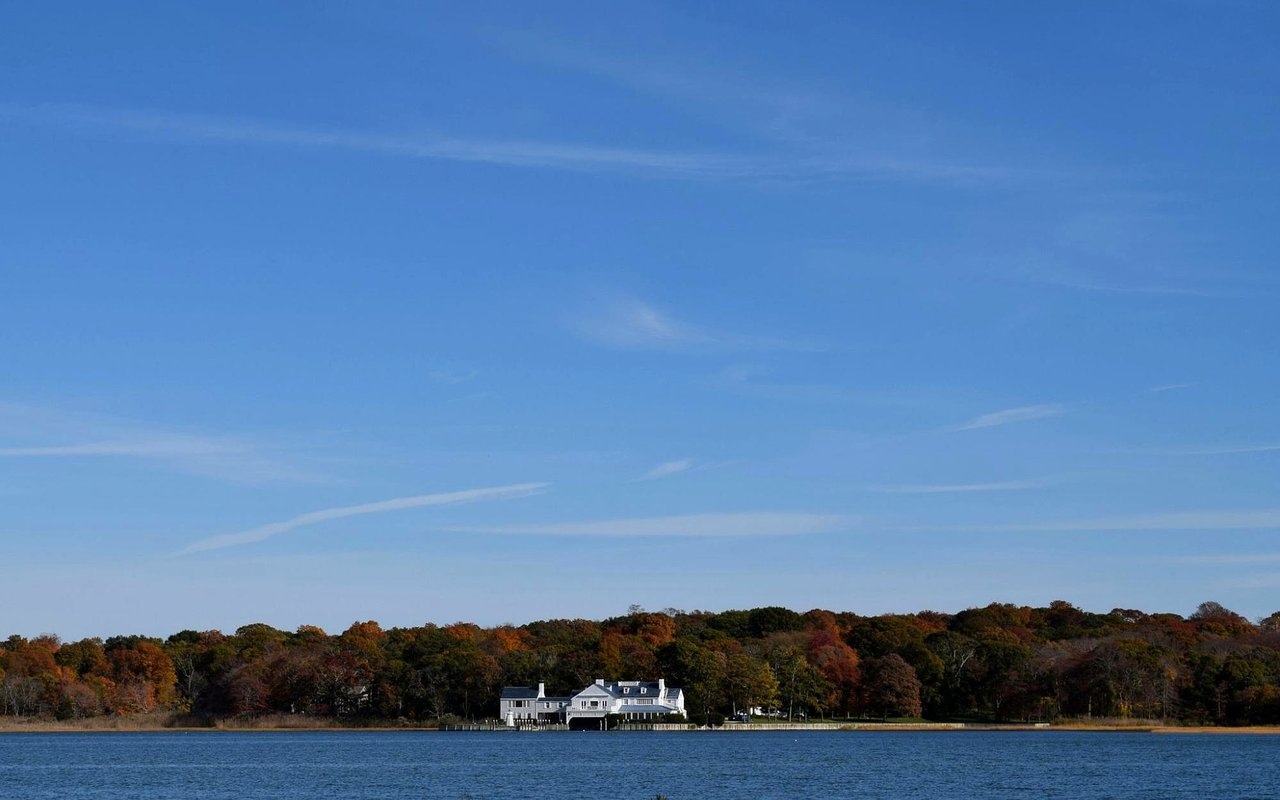
Montauk is the easternmost hamlet in the Town of East Hampton, situated at the very tip of the South Fork approximately 120 miles from Manhattan. It is bounded by the Atlantic Ocean to the south, Block Island Sound to the north, and Gardiner's Bay to the northwest.
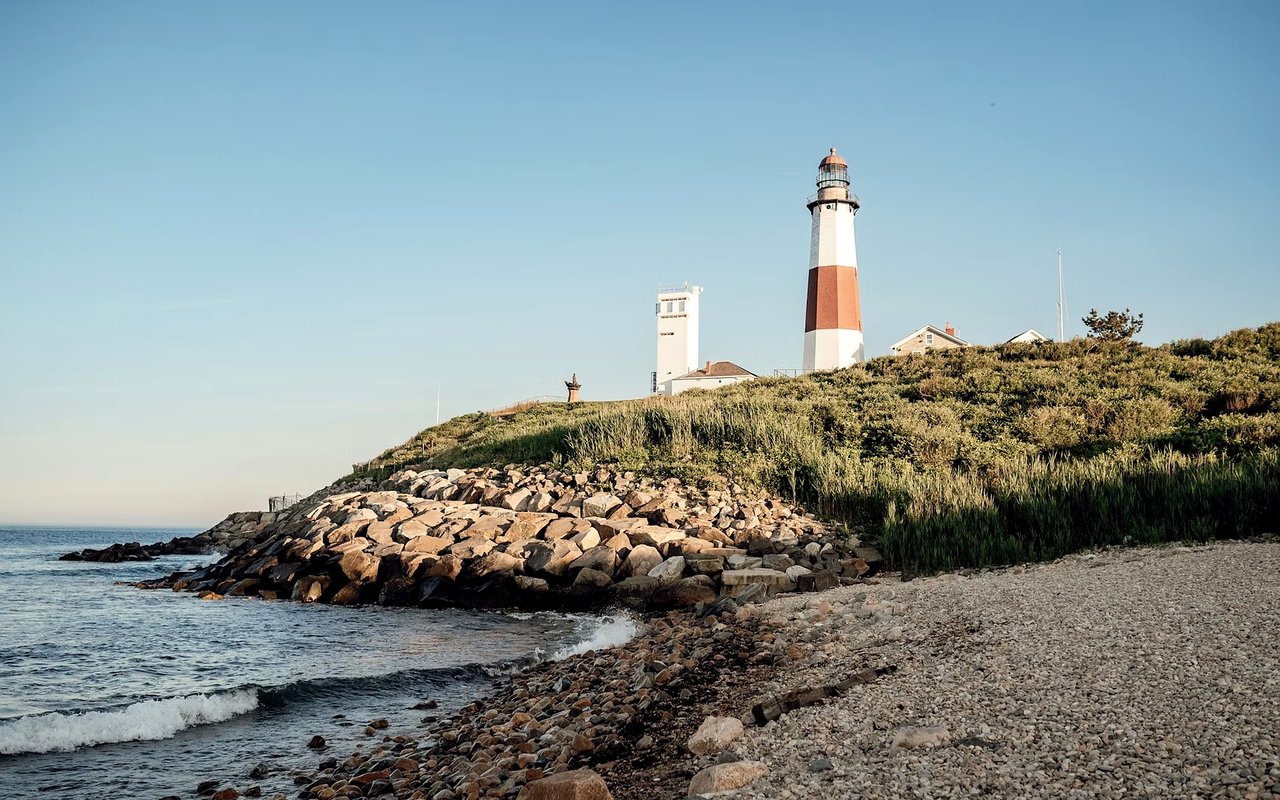
The Montauk Point Lighthouse, built in 1796 under the direction of President George Washington, stands at the peninsula's furthest reach and remains one of the most iconic landmarks in New York State.
- Montauk Point Lighthouse: 2000 Montauk Hwy, Montauk, NY 11954
- Hours: Open daily 10:00 AM to 4:30 PM (seasonal adjustments apply)
- Fee: $15 parking, $14 adult museum admission
- Location: Easternmost tip of Long Island, 5 miles east of Montauk Village
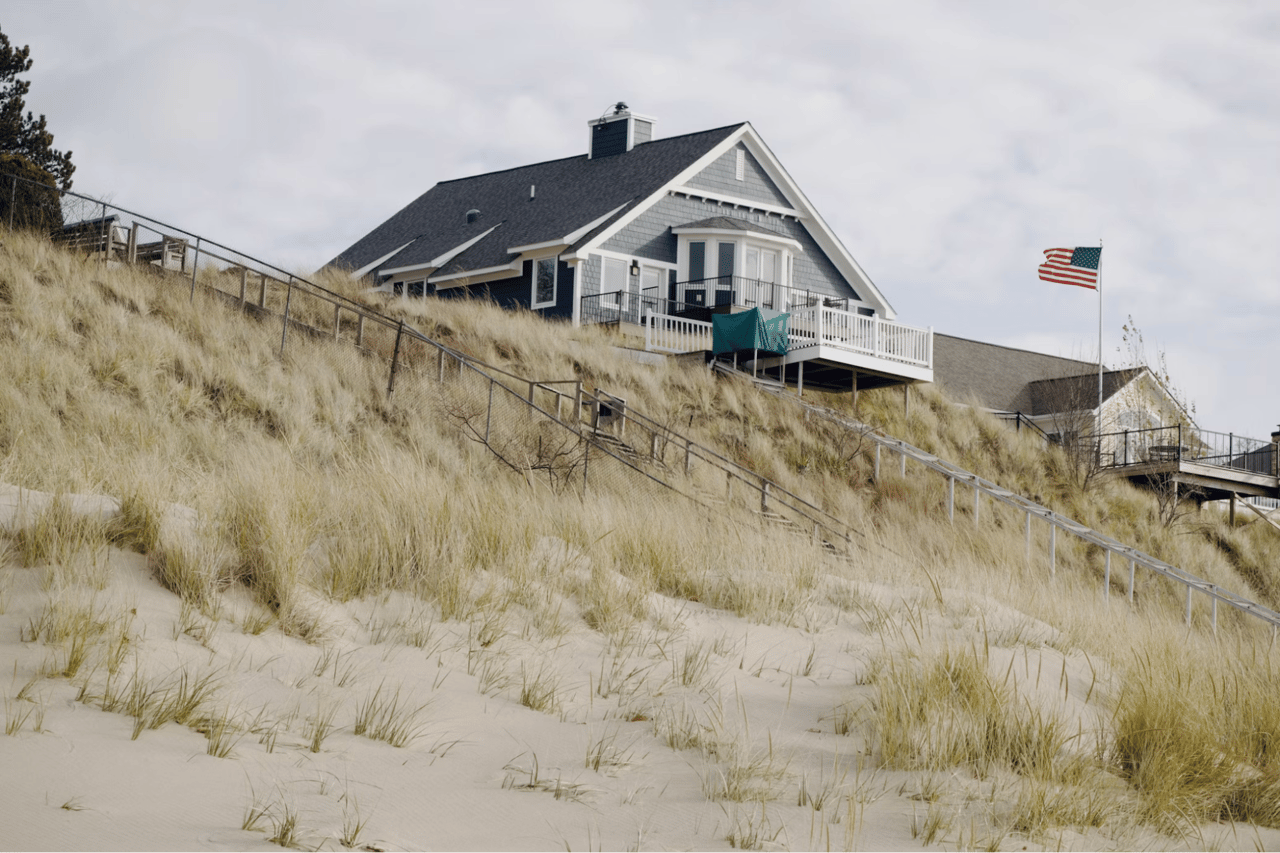
What separates Montauk physically from the rest of the Hamptons is not just distance but landscape. The terrain here is dramatic and raw in a way that Southampton and East Hampton are not. The bluffs, the open moorland of Hither Hills State Park, the freshwater lakes, and the relentless presence of the ocean on multiple sides give Montauk a geological character that feels entirely its own.
- Hither Hills State Park: 122-126 Montauk Hwy, Montauk, NY 11954
- Hours: Open daily sunrise to sunset
- Fee: $10 vehicle entry fee (seasonal)
- Location: 3 miles west of Montauk Village center
This is not manicured estate country. It is something wilder, and for the right buyer, that is exactly the point.
The Cultural Identity of Montauk
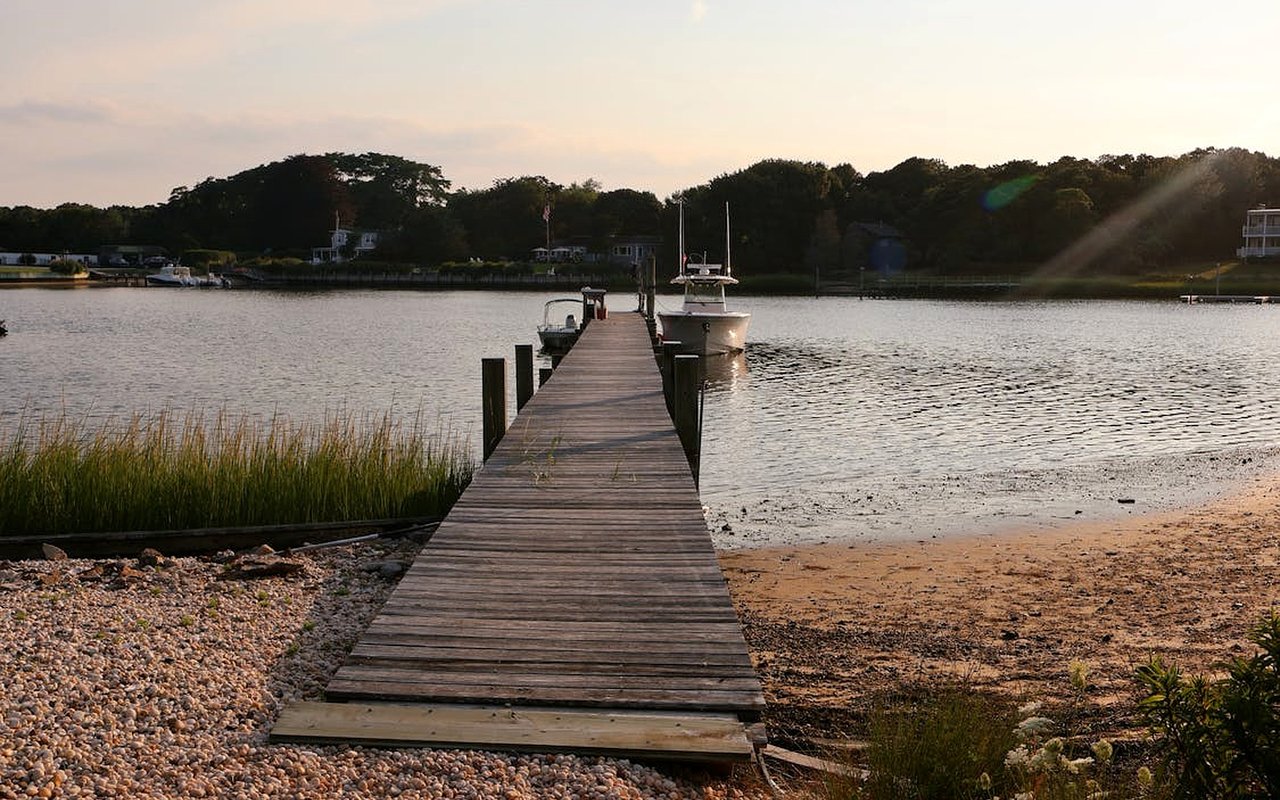
If you have spent time in Montauk, you know that its identity has always been anchored in surf culture, fishing, and a certain deliberate informality that locals have protected with genuine conviction. For decades, Montauk was the working-class counterpoint to the more polished Hamptons communities to its west. Commercial fishing vessels still operate out of the docks at Montauk Harbor. The surf community here is serious and committed. The bars and restaurants along the main street carry an energy that is more beach town than country estate.
That identity has been tested in recent years as rising property values and increased outside investment have brought new development, boutique hotels, and a more curated dining and hospitality scene to the hamlet. Gurney's Montauk Resort, the Surf Lodge, and a growing number of design-forward accommodations have brought Montauk into a new era of visibility. But the soul of the place remains distinguishable from what you find in the villages and hamlets further west.
- Gurney's Montauk Resort & Seawater Spa: 290 Old Montauk Hwy, Montauk, NY 11954
- Location: Oceanfront bluff position, 2.5 miles west of downtown Montauk
Buyers who are drawn to Montauk are typically seeking something specific. They want proximity to exceptional surf breaks. They want the kind of social energy that builds organically around a bonfire rather than a polo match. They want dramatic ocean views from elevated bluff positions. They want a home that feels like an escape rather than a statement.
The Hamptons: Sophistication, Prestige, and Established Market Depth
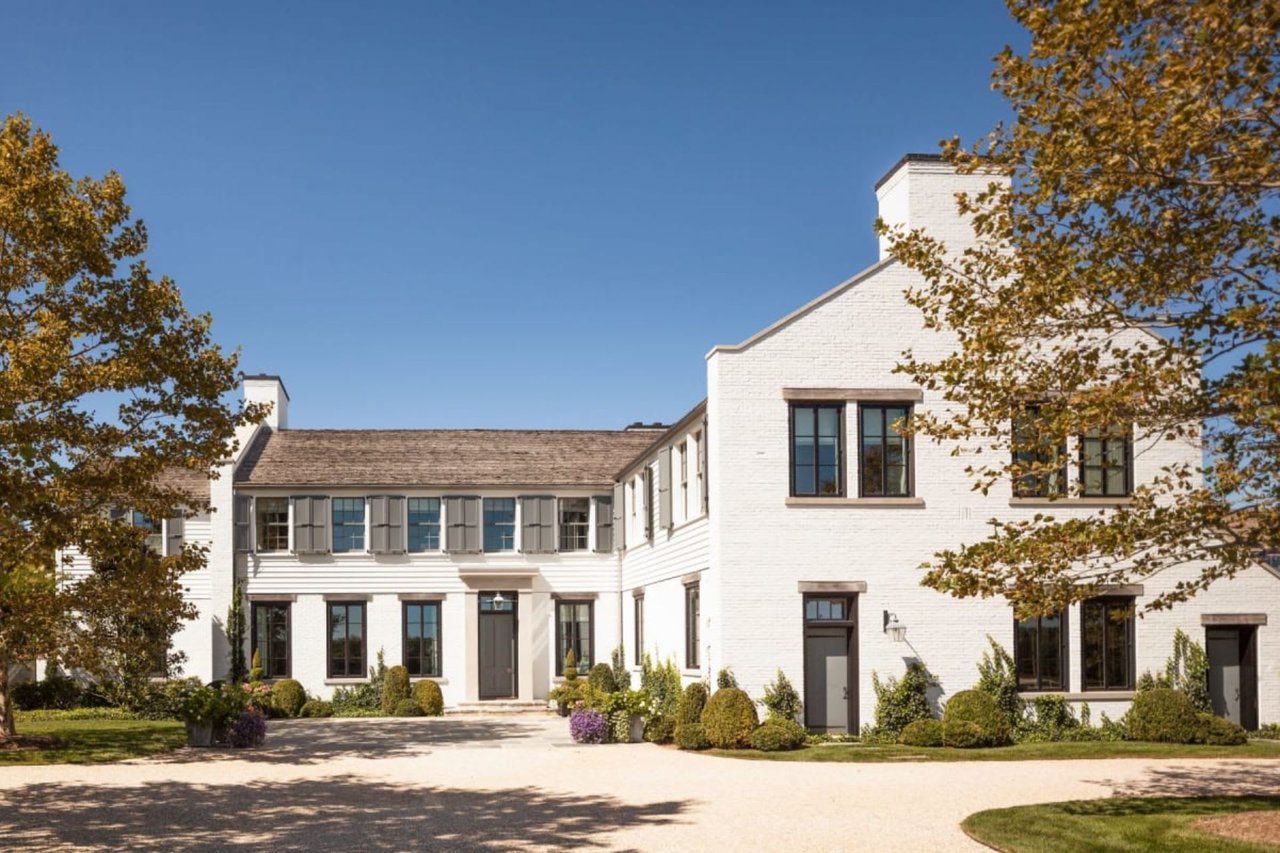
When most buyers say they are looking in the Hamptons, they are thinking about a corridor that runs roughly from Westhampton Beach through Southampton, Bridgehampton, Water Mill, Sagaponack, East Hampton, and Amagansett. This is where the estate country concentration is highest, where the architectural heritage is deepest, and where the social and cultural infrastructure is most fully developed.
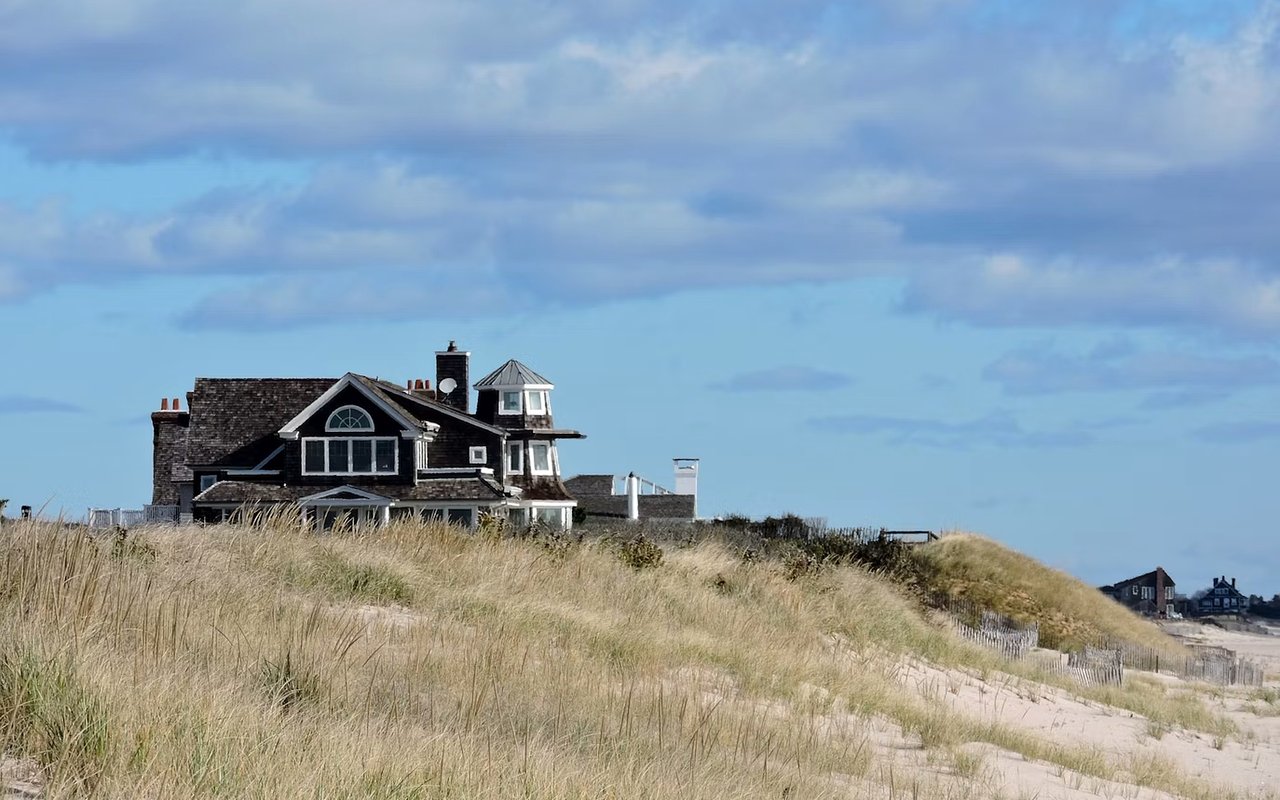
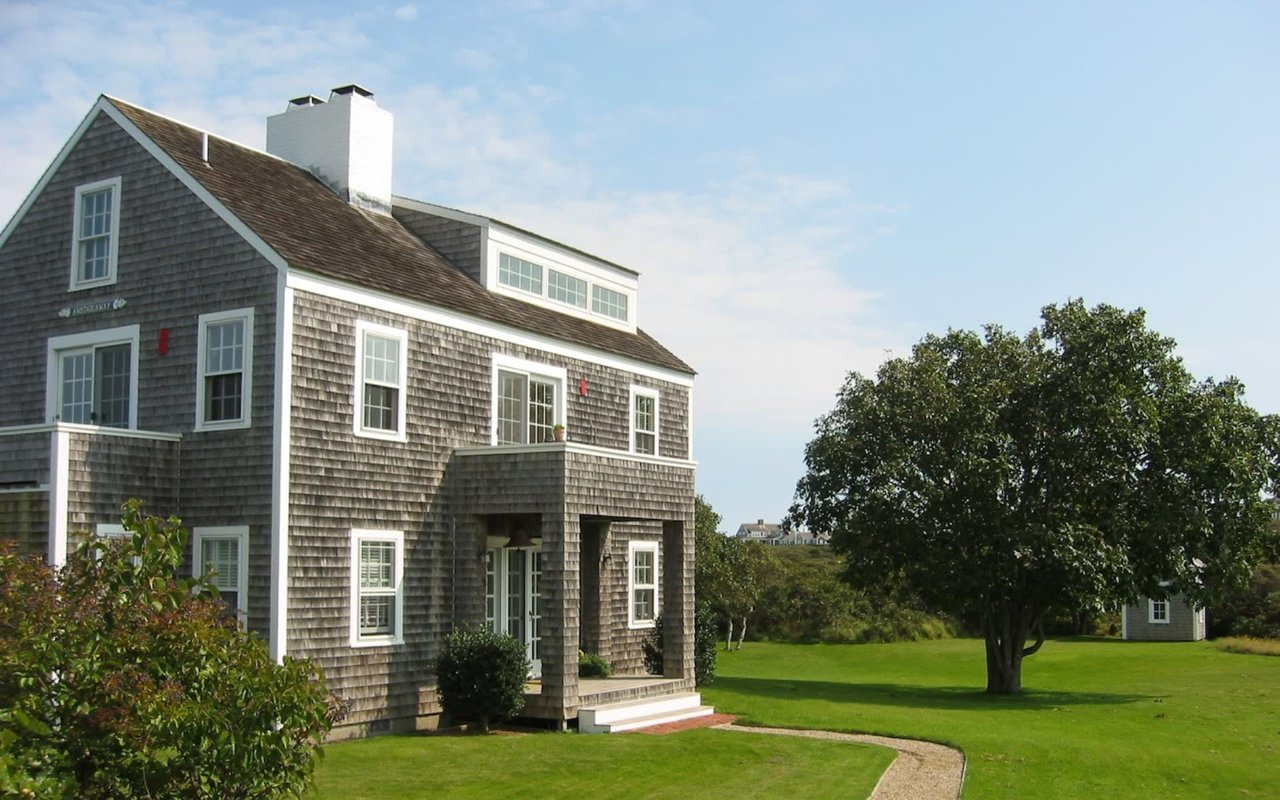
Southampton Village and East Hampton Village are two of the most beautifully preserved historic villages in the Northeast. The hedgerow-lined lanes, the shingle-style architecture, the proximity to world-class beaches, and the density of cultural institutions including the Parrish Art Museum, Guild Hall, and the numerous artist studios that have defined this landscape for over a century all contribute to an environment that is simply irreplaceable.
The buyer profile in the core Hamptons market tends to skew toward those seeking legacy properties, multi-generational family compounds, and investments that reflect established prestige. Further Lane in East Hampton, Meadow Lane in Southampton, and Gin Lane represent some of the most recognized estate addresses in American real estate. These are not merely addresses. They are generational holdings.
Price Point Differences and What They Reflect
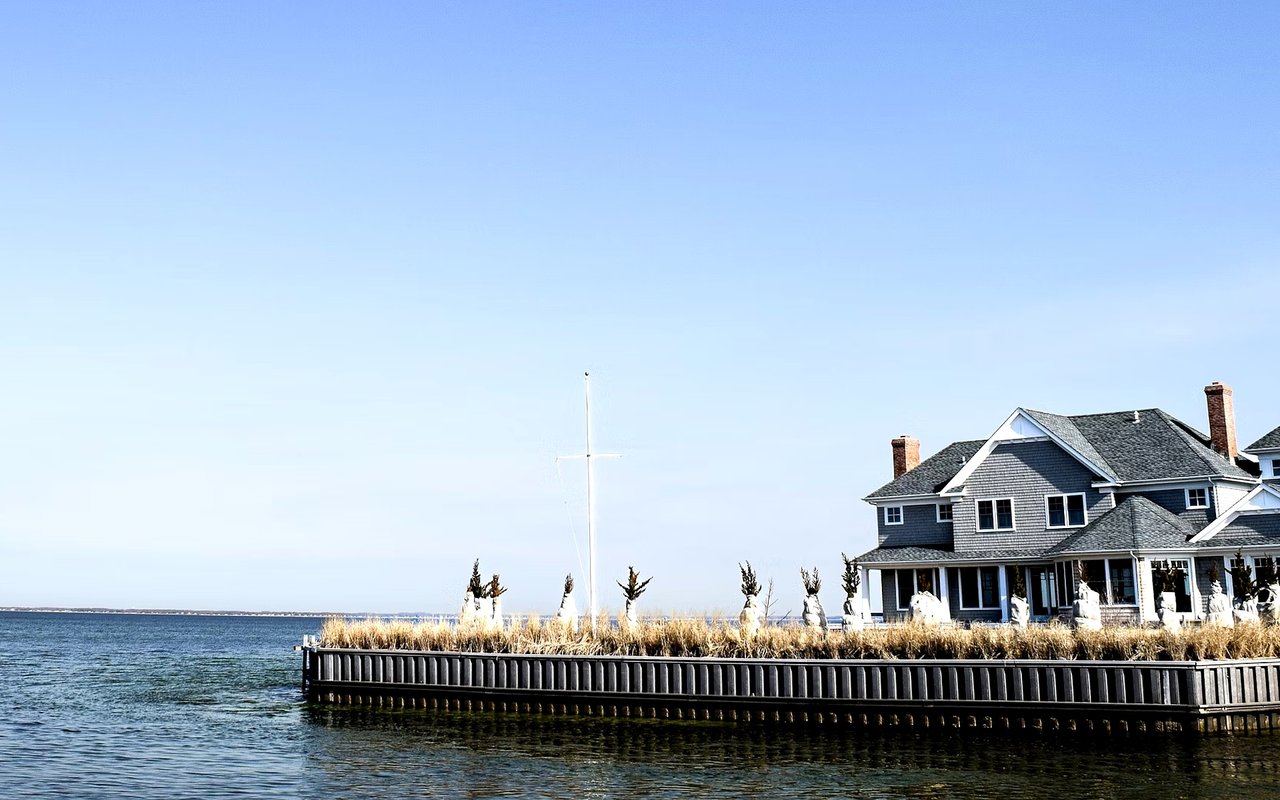
Montauk has seen significant price appreciation over the past decade, driven by demand for oceanfront and bluff-top properties and a growing recognition of its lifestyle appeal among younger affluent buyers. That said, the median price point in Montauk remains meaningfully lower than in the core Hamptons market. Buyers can still access waterfront opportunities in Montauk that would be entirely out of reach at comparable positions in Southampton or East Hampton.
This does not make Montauk a discount market. Exceptional Montauk properties, particularly those on the bluffs above the Atlantic or directly on the ocean, command extraordinary prices. But the range of entry points is broader, and the inventory tends to include more modest seasonal cottages alongside high-end contemporary construction in a way that the tightest Hamptons markets no longer do.
For buyers with a specific budget ceiling who are not willing to compromise on ocean access and natural beauty, Montauk frequently offers more per dollar than any comparable South Fork alternative.
Market statistics and comparative median sales price data sourced from East End MLS reports and Long Island Board of Realtors historical transaction records.
Zoning, Development, and the Future of Each Market
One of the most important structural differences between Montauk and the Hamptons relates to land use and environmental regulation. A significant portion of Montauk's land is protected through state park designations, county parkland, and nature conservancy holdings. Hither Hills State Park alone encompasses thousands of acres that will never be developed. This creates a natural ceiling on supply that supports long-term value for existing properties.
The core Hamptons market has its own set of protections through agricultural preservation, scenic corridor designations, and large minimum lot sizes in key hamlets. But the built environment is denser and more established, meaning the character of those communities is defined by existing development rather than undeveloped open land.
For buyers thinking about the long-term trajectory of their investment, both markets carry strong fundamentals. The key difference is that Montauk's growth story still has chapters to be written, while the Hamptons' prestige is already fully established and priced accordingly.
About Susan Breitenbach
Brokerage: The Corcoran Group | Licensed Associate Real Estate Broker
Susan Breitenbach is a top-producing luxury real estate specialist on the South Fork with over $5.5 billion in career real estate sales. Consistently ranked among the top agents nationally by the Wall Street Journal and RealTrends, Susan brings decades of unparalleled market expertise across Southampton, East Hampton, Bridgehampton, Sagaponack, and Montauk.
Frequently Asked Questions
Is Montauk considered part of the Hamptons?
Technically, Montauk is a hamlet within the Town of East Hampton, which is part of the broader East End. It is geographically on the South Fork but culturally distinct from what most buyers mean when they say the Hamptons. Most real estate professionals treat it as its own market category.
Are there year-round communities in both Montauk and the Hamptons?
Yes, both have year-round residents, but Montauk has a proportionally larger year-round community relative to its size, rooted in the fishing industry and local trades. Many Hamptons villages and hamlets become significantly quieter outside of the summer season.
What is the commute from Montauk to Manhattan compared to the Hamptons?
Montauk is approximately 30 to 45 minutes further east than East Hampton Village by car, which adds meaningful time to the commute from the city. The Long Island Rail Road does serve Montauk directly, which helps buyers who prefer not to drive.
Is Montauk better for rental investment than the Hamptons?
Montauk generates strong short-term rental demand, particularly from the surf and outdoor lifestyle community. Rental yields can be competitive, but the regulatory environment in East Hampton Town applies to both markets equally and must be reviewed carefully.
What type of architecture is most common in Montauk versus the Hamptons?
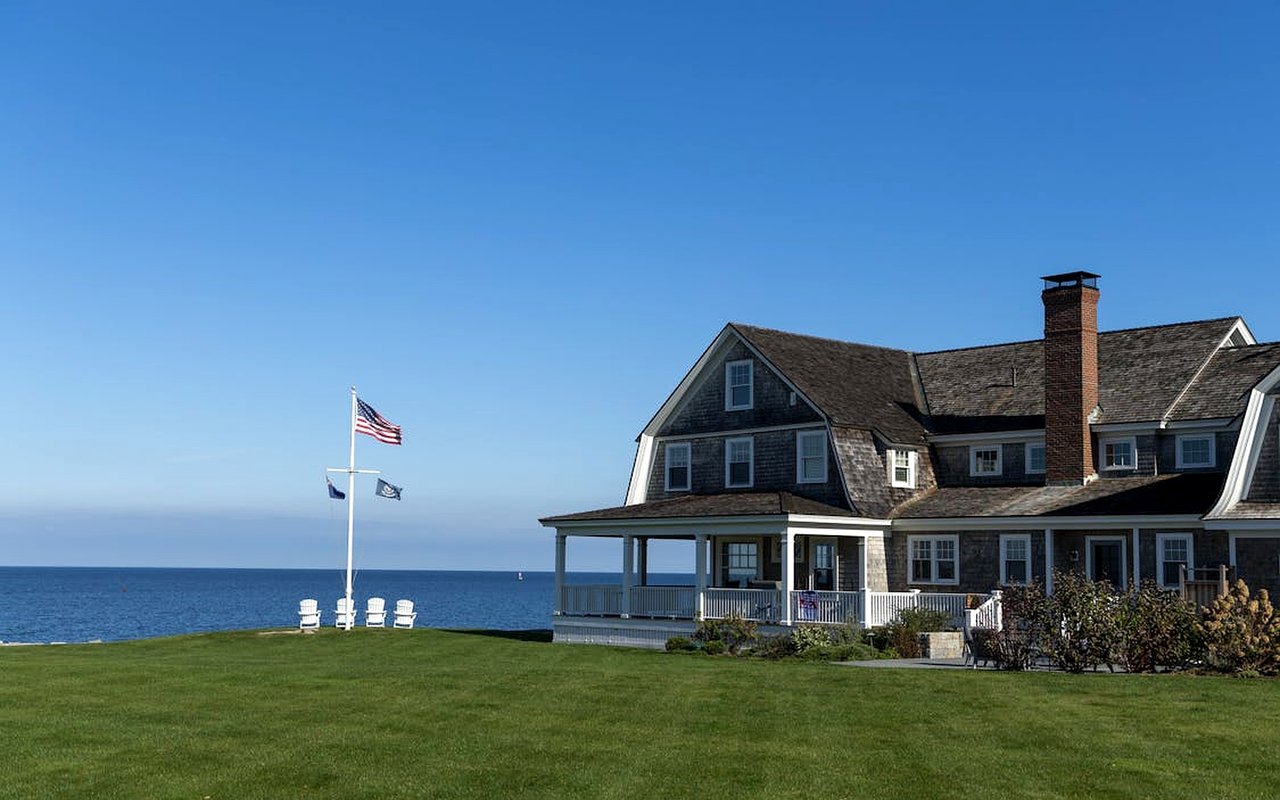
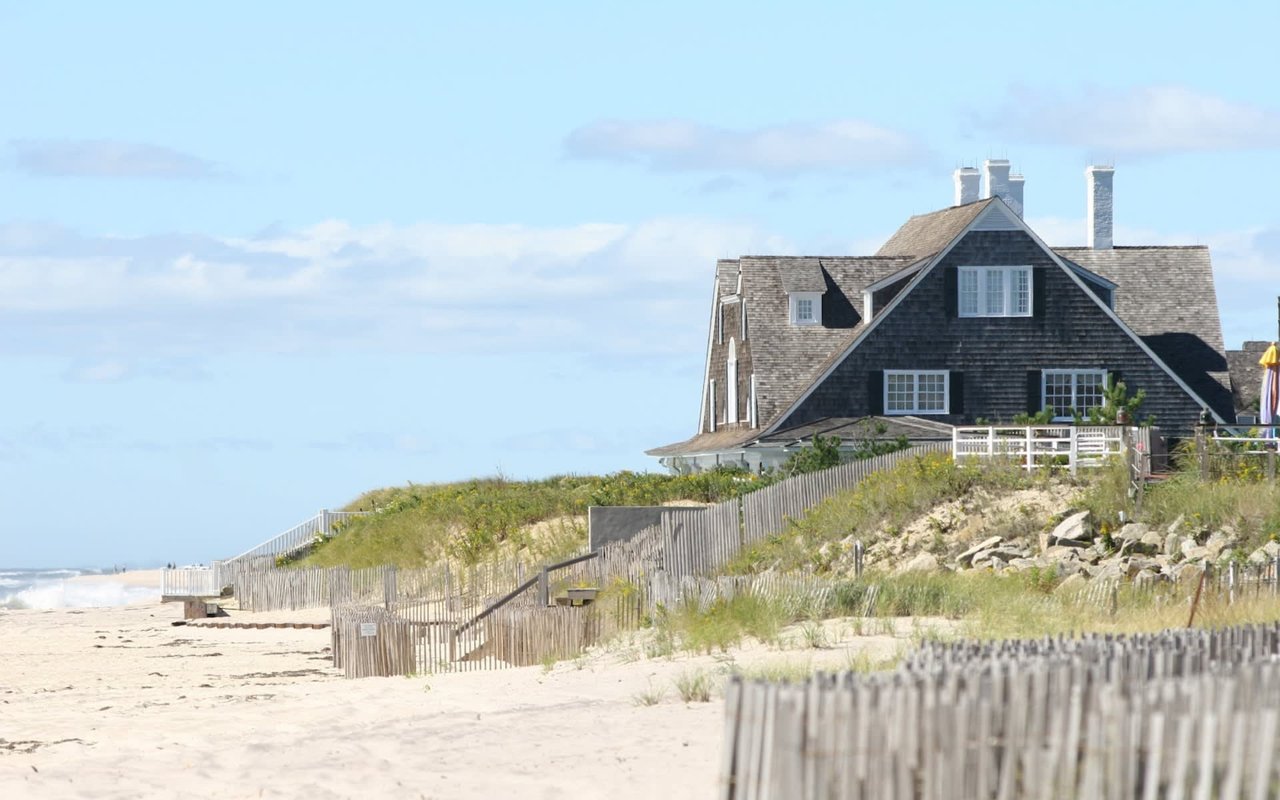
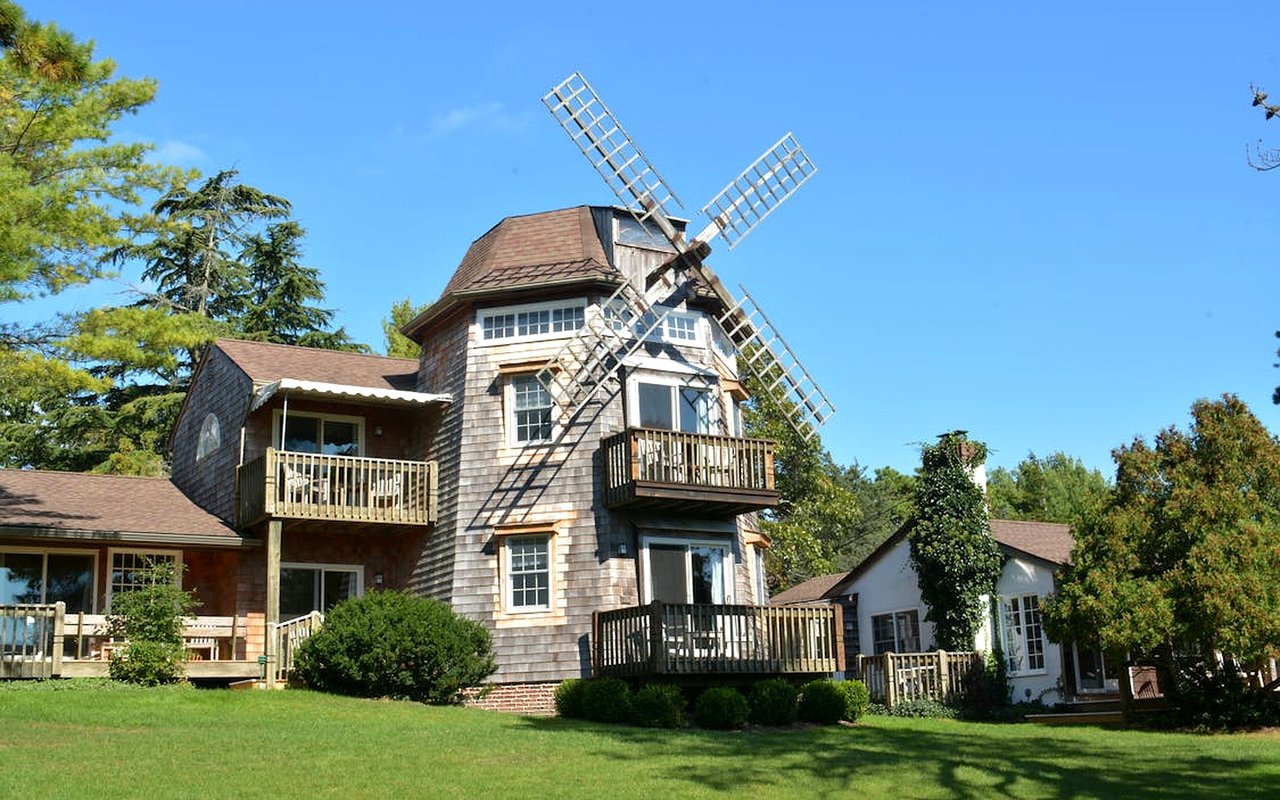
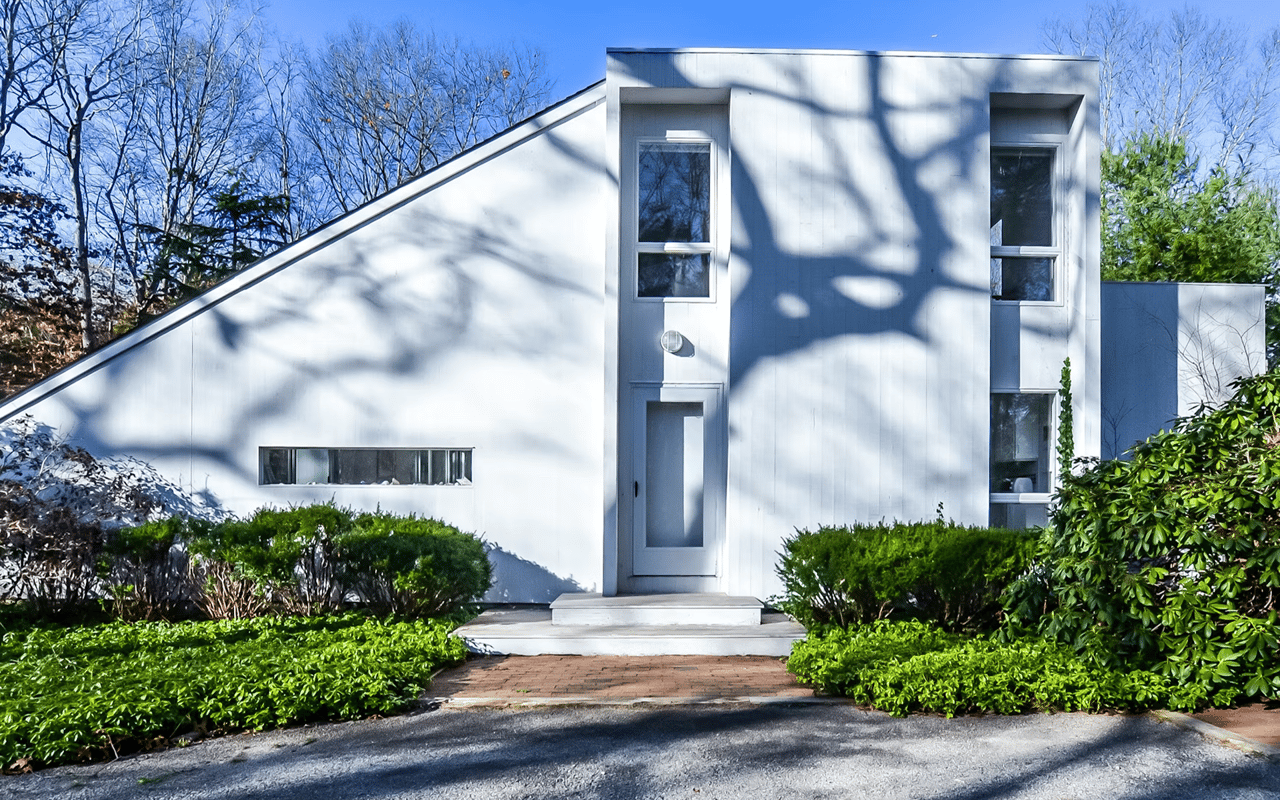
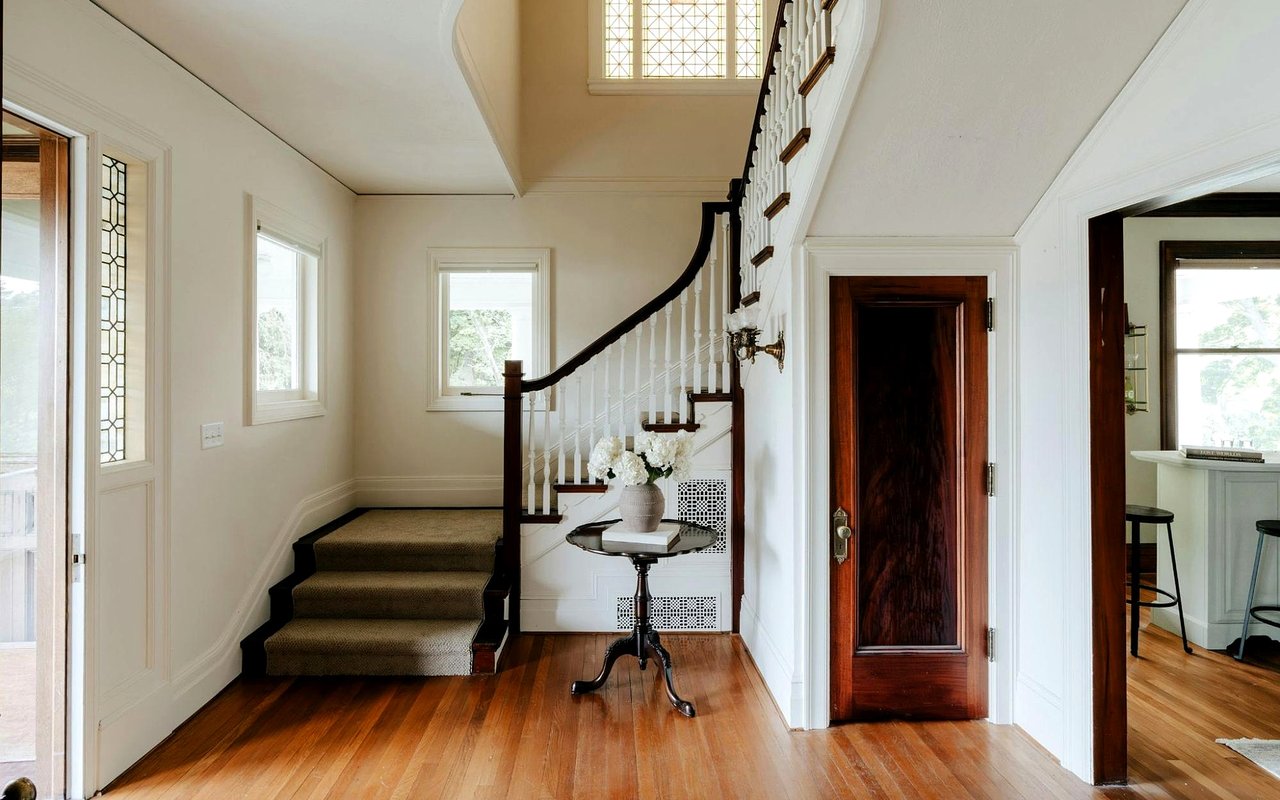
Montauk leans toward casual shingle cottages, midcentury structures, and contemporary new construction designed to engage the landscape and ocean views. The Hamptons offers a broader range including formal shingle-style estates, Georgian revivals, converted historic farmhouses, and ultra-modern new builds on significant acreage.
The East End is not one market. It is a collection of distinct communities, each with its own rhythm, its own buyer, and its own irreplaceable character. Whether you are drawn to the raw beauty of the Montauk bluffs or the timeless prestige of a Further Lane estate, I am here to help you find the property that fits the life you want to build. Reach out to me today and let's begin the search together.