By Susan Breitenbach
A wine cellar in a Hamptons home is one of those features that buyers notice immediately and remember long after the showing ends. After more than 30 years selling luxury properties across East Hampton, Bridgehampton, and Southampton, I have seen firsthand how a well-designed cellar elevates a home — both as a living space and as an asset. If you are planning to add one, the decisions you make at the start will determine how well it performs for decades.
Key Takeaways
- Temperature and humidity control are the foundation of any functional wine cellar
- Location within your home affects both performance and design possibilities
- Material and racking choices define the character of the space
- A well-built cellar adds meaningful value to a Hamptons property
Start With Climate Control
Before any design decisions are made, the conditions inside your cellar need to be right. The ideal storage temperature for wine is 55 degrees Fahrenheit, with humidity maintained between 60 and 70 percent. Consistency matters as much as the exact number — dramatic swings in temperature are more damaging to a collection than a slightly imperfect but stable environment.
In the Hamptons, where summers are warm and humid and winters can drop sharply, a dedicated cooling system is not optional. A split cooling system with an outdoor condenser is one of the most reliable options for larger cellars, while through-the-wall units work well for smaller spaces. A vapor barrier and proper insulation are required before any racking or finishing work begins — skipping these steps creates moisture problems that are difficult and expensive to correct later.
Climate Control Essentials for a Hamptons Wine Cellar
- Target temperature of 55°F with no more than a few degrees of fluctuation
- Humidity maintained between 60 and 70 percent to keep corks intact
- A properly sized cooling system — undersized units run constantly and fail early
- Vapor barrier and closed-cell insulation installed before finishing the walls
- Temperature and humidity monitoring system so you can track conditions year-round
Choose Your Location Carefully
The basement is the most natural home for a wine cellar, and in the Hamptons, where larger estates often include finished lower levels, it is frequently the best choice. Underground spaces benefit from natural thermal stability and require less from the cooling system to maintain ideal conditions. Keep the cellar away from heat sources — the kitchen, laundry room, boiler, and garage should all be avoided.
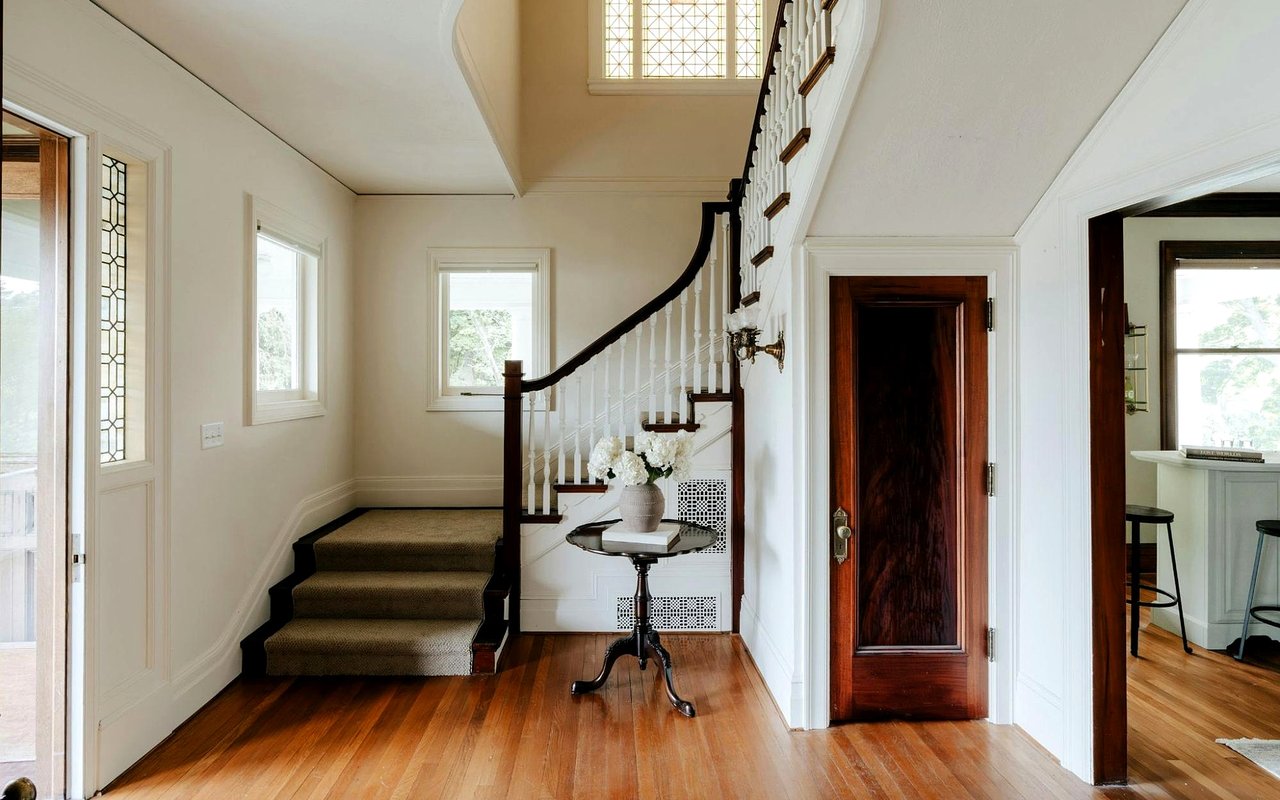
That said, basements are not the only option. Under-stair spaces can be converted into striking glass-enclosed cellars that serve as focal points in an entry or dining area. A spare room or large closet can become a walk-in cellar with custom shelving and proper climate control. In Hamptons homes where the design brief calls for the cellar to be part of the entertaining experience rather than hidden away, a glass-walled display cellar in the dining room or kitchen makes a strong architectural statement.
Popular Cellar Locations in Hamptons Homes
- Basement or lower level — best for thermal stability and larger collections
- Under-stair conversion — ideal as a glass-enclosed display feature
- Spare room or large closet — suited for a walk-in experience with custom racking
- Dining room wine wall — label-forward display racking, typically 18 to 24 inches deep
Materials and Racking
The materials you choose set the tone for the entire space. Traditional cellars use rich woods — mahogany, walnut, and redwood are all well-suited for wine storage environments and develop a warmth over time that complements a classic Hamptons aesthetic. Contemporary cellars are increasingly moving toward hybrid systems that pair metal frameworks with wood modules, giving structural strength alongside organic warmth.
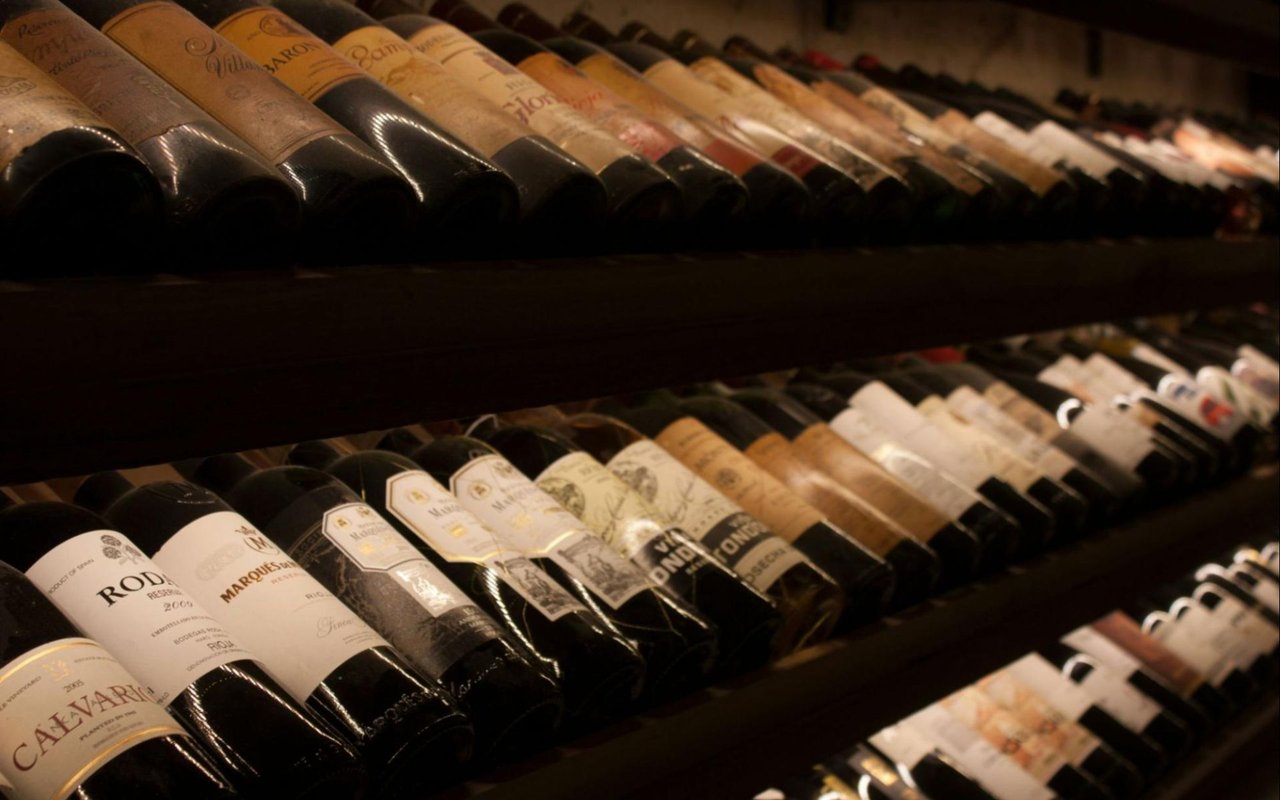
Bottles should be stored on their sides so the wine stays in contact with the cork, keeping it hydrated and the seal intact. Label-forward racking — where bottles face outward — turns the collection itself into the visual centerpiece of the room. For serious collectors, a combination of bulk storage for everyday bottles and individual display racking for prized selections works well both functionally and aesthetically.
Racking and Material Options to Consider
- Mahogany and walnut for traditional, rich interiors
- Hybrid metal and wood systems for a contemporary feel
- Label-forward racking to make the collection the visual focus
- Combination bulk and display racking for larger, varied collections
- LED lighting with UV-filtering glass to showcase bottles without damaging them
The Cellar as a Feature, Not Just Storage
In the Hamptons, a wine cellar is part of how a home entertains. The most memorable cellars I have sold with properties include a tasting area — a table, a few chairs, and enough space to open a bottle without leaving the room. This does not require a large footprint. Even a cellar that is five feet deep with an adjacent tasting nook reads as a complete, intentional space rather than a utility room with racks on the walls.
Glass doors and walls bring the cellar into the broader living space visually, making it a design element even when it is not in use. Performance glass with UV-resistant coatings protects the collection from light exposure while keeping the display open to view. In Bridgehampton and East Hampton estates where interior design is a priority, this approach consistently resonates with buyers.
FAQs
How much does a custom wine cellar cost in the Hamptons?
Residential wine cellar projects typically range from $25,000 to $150,000 depending on size, materials, and the complexity of the cooling system. A smaller glass-enclosed display cellar sits at the lower end of that range, while a large walk-in cellar with a dedicated tasting room and custom millwork moves toward the top. The investment returns well in a Hamptons resale context, particularly when the design is executed at a high level.
How many bottles should a Hamptons wine cellar hold?
It depends on how you use the space. A display cellar built around a glass wine wall might hold 200 to 500 bottles. A dedicated walk-in storage cellar for a serious collector can hold well over 1,000. I recommend thinking about both your current collection and where you expect to be in five to ten years when sizing the space — it is far easier to build capacity in from the start than to expand later.
Does a wine cellar add value to a Hamptons home?
A well-designed, properly functioning wine cellar consistently draws attention from buyers at the luxury end of the market. Buyers touring a $10 million estate in Southampton or a Sagaponack compound expect a certain level of amenity — and a cellar that is both beautiful and functional delivers on that expectation in a way that generic finishes cannot.
Contact Me Today
A wine cellar done well is one of the details that makes a Hamptons home feel complete. If you are building, renovating, or simply thinking about what your property could be, I would love to talk through what buyers are responding to right now.
Reach out to me, Susan Breitenbach, and let's talk about your home and what makes it stand out.