Moving to the Hamptons year-round means adjusting to village-by-village character, near-total car dependence, and a dramatic seasonal shift after Labor Day. Sag Harbor, East Hampton Village, and Southampton Village stay active in winter, while Water Mill and Sagaponack are quieter and more agricultural. The Hampton Jitney and Long Island Rail Road remain the two most reliable links back to Manhattan.
Walkable village or quiet farmland?
See what's currently available in Sag Harbor, a walkable year-round village, or Wainscott, for a quieter agricultural setting.
By Susan Breitenbach
A move to the Hamptons is different from most relocations, and not just because of the real estate. The East End has its own rhythms, its own community, and its own unwritten rules about how life works here across the seasons. The people who make the transition well are those who come in with genuine curiosity about the place, not just its summer reputation, but what it's like to actually live here. Here is what I tell people who are making this move for the first time.
Key Takeaways
-
The Hamptons is a year-round community with distinct seasonal rhythms, and understanding them makes the adjustment much easier
-
Getting to know your specific village and its character matters more than most newcomers expect
-
Transportation, local services, and community life function differently here than in New York City
-
The best way to settle in is to engage with the local community from the start, not just the summer scene
Village | Character | Year-Round Feel | Nearest Amenities |
|---|
Sag Harbor | Walkable village, harbor marina | Active, restaurants and shops open year-round | Restaurants, independent shops within walking distance |
East Hampton Village | Historic village center | Active, cultural programming year-round | Round Swamp Farm, village shops |
Southampton Village | Historic village center | Active year-round | Citarella and village businesses |
Water Mill / Sagaponack | Agricultural, quiet | Quieter, more rural pace | Nearest amenity may require a drive |
Know Your Village Before You Move In
The Hamptons is not one place. East Hampton Village, Southampton Village, Sag Harbor,
Bridgehampton,
Amagansett,
Water Mill,
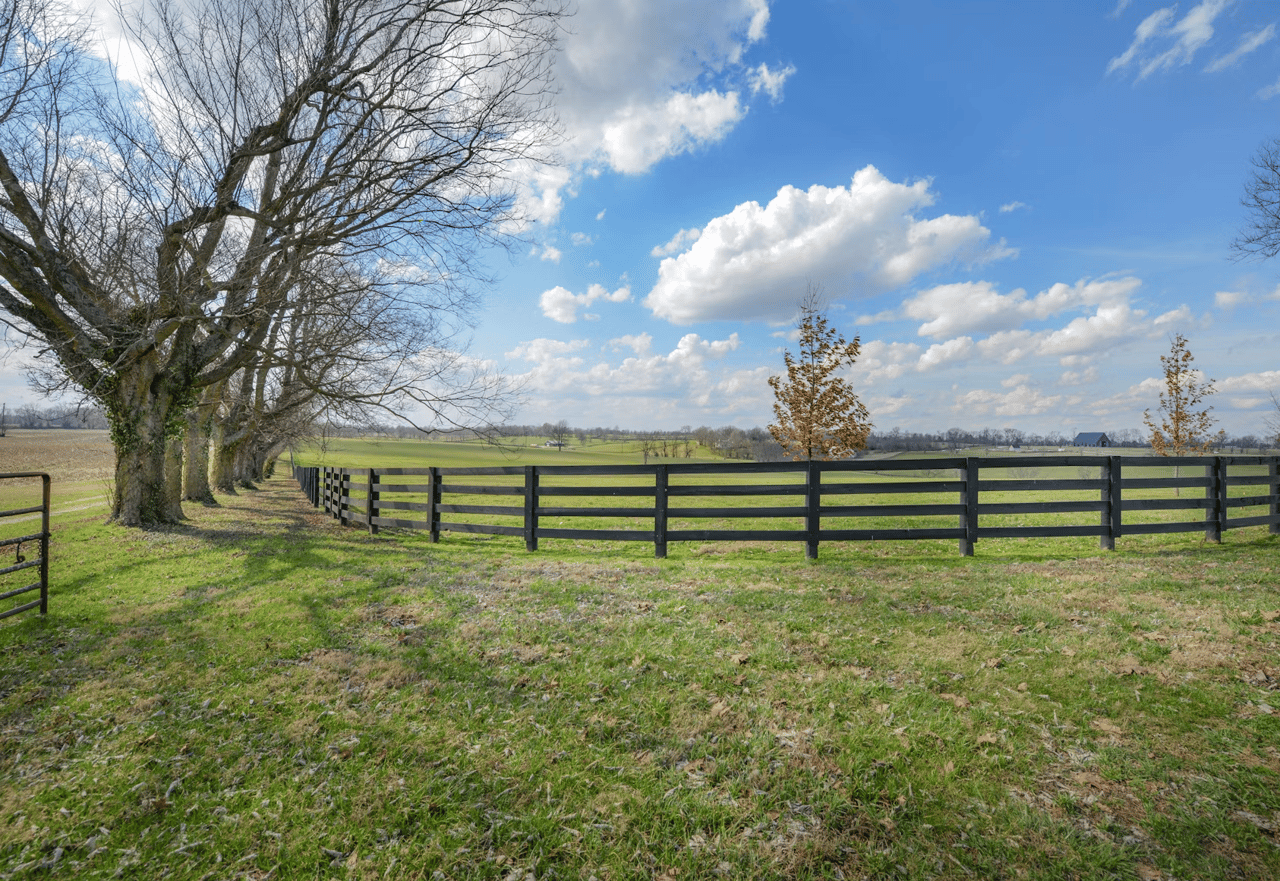
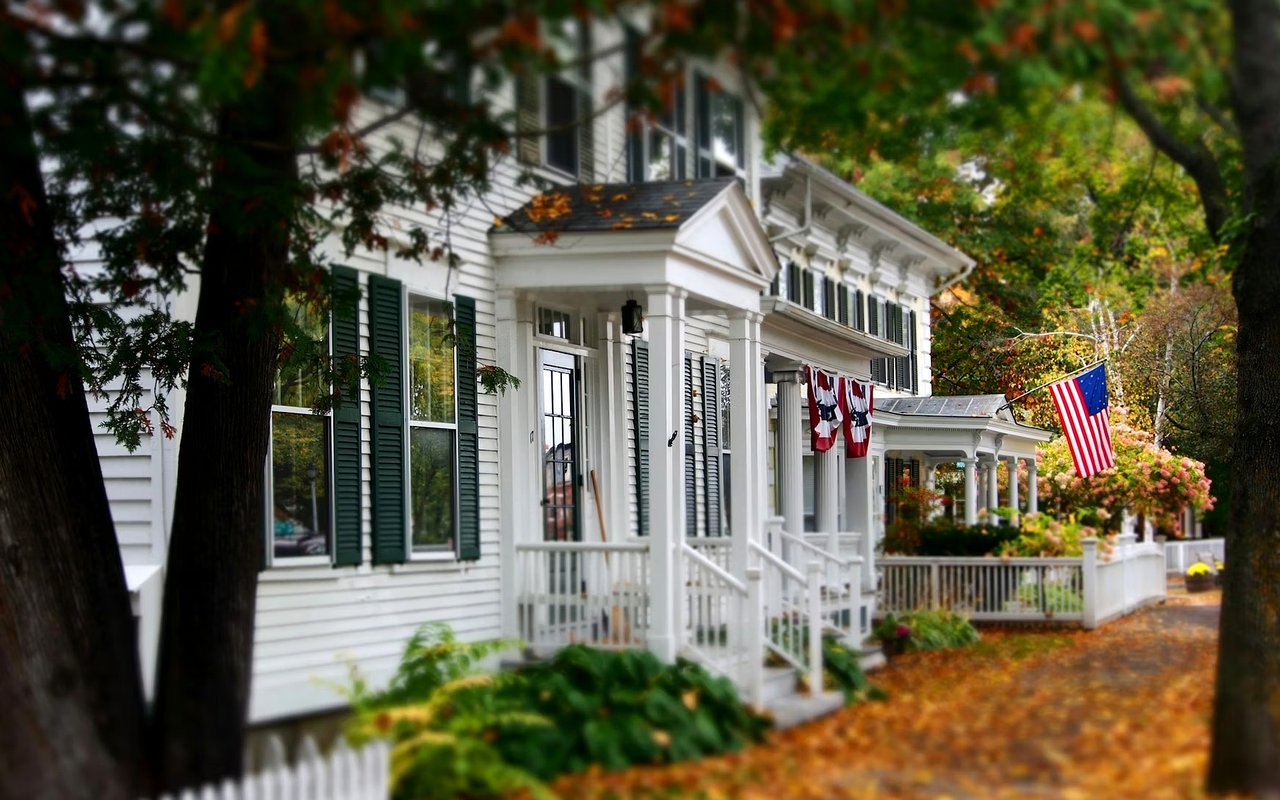
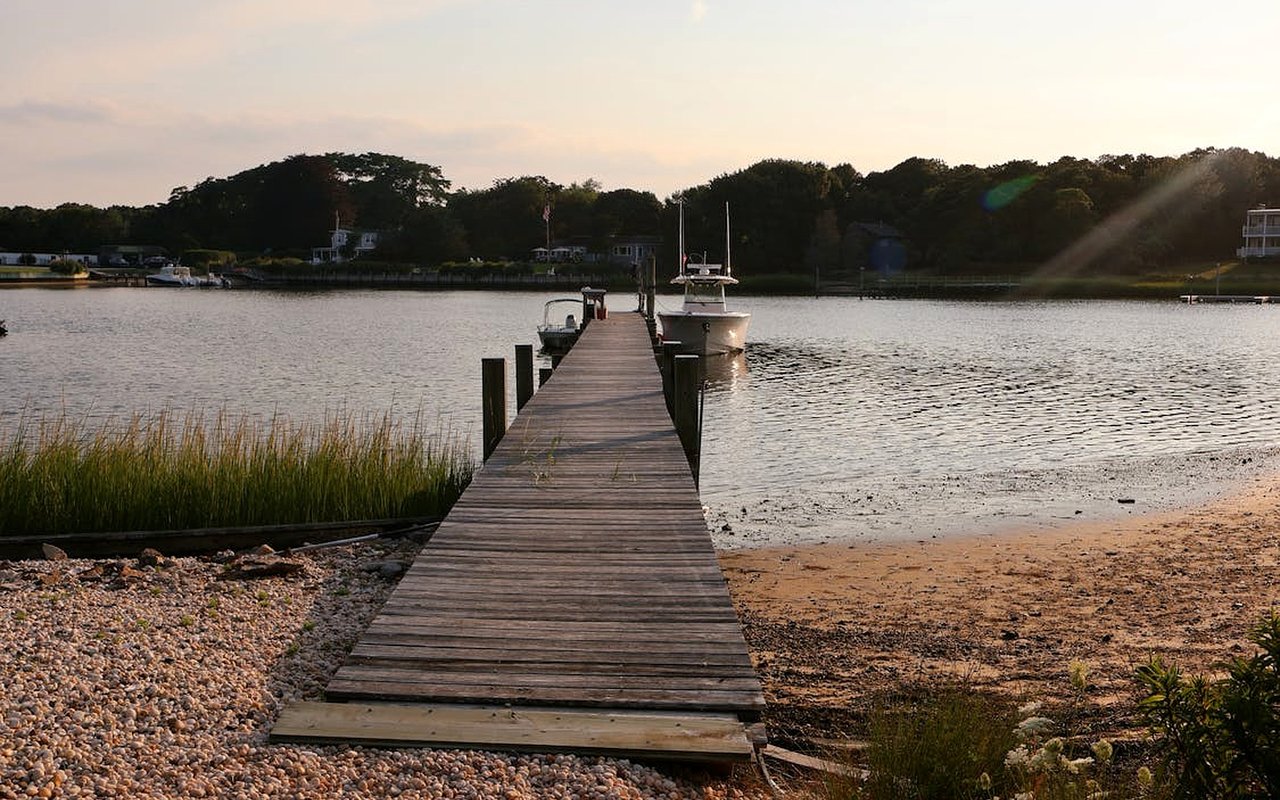
Montauk, and the surrounding hamlets each have a distinct character, a different pace, and a different relationship to the seasons. A decision to live in Sag Harbor puts you in a walkable year-round village with restaurants, independent shops, and a harbor marina within easy reach. A decision to live in Water Mill or Sagaponack puts you in a quieter agricultural landscape where the nearest amenity may require a drive.
Before you move in, spend time in your specific village across different seasons if you can. The East End in February feels nothing like the East End in July. The community that remains in winter is the community you will actually live with. Get to know the local farmstands, the year-round restaurants, the village green, and the independent businesses that define the place outside of peak season.
Things to Learn About Your Village Before Moving In
-
Which restaurants, cafes, and shops are open year-round versus seasonal
-
Where the nearest farmstands and grocery options are: Round Swamp Farm in East Hampton and Citarella in Southampton are year-round anchors for many residents
-
What the parking and traffic patterns look like in summer versus off-season
-
Whether your neighborhood has a strong year-round community or empties out significantly after Labor Day
Want to compare year-round villages before you decide? See Sag Harbor and East Hampton side by side.
Getting Around the East End
A car is not optional here. The Hamptons is spread across a long corridor with villages separated by stretches of farmland, and outside of summer, ride services can be unreliable in some areas. If you are relocating from New York City, adjusting to car dependence is one of the bigger lifestyle shifts. Most residents keep at least one vehicle, and homes with dedicated garage space are valued accordingly.
That said, the East End has options worth knowing. The Hampton Jitney provides reliable coach service between the Hamptons and Manhattan, which many year-round residents use for city trips. The Long Island Rail Road connects East Hampton and Southampton to Penn Station, though the schedule thins considerably in the off-season. Within the villages, biking is genuinely practical: East Hampton Village and Sag Harbor in particular are navigable by bicycle, and many residents use bikes for errands and casual rides through the summer.
Transportation Options to Know
-
Hampton Jitney: coach service to Manhattan from multiple East End stops, popular with year-round residents for city trips
-
Long Island Rail Road: train service from East Hampton and Southampton to Penn Station, with a denser summer schedule
-
Cycling: practical within the village centers and along the back roads of Bridgehampton, Sagaponack, and Amagansett
-
Car: the foundation of daily life for most residents, especially in the off-season
Understanding the Seasons
If you are moving here year-round, the seasonal shift after Labor Day is one of the defining features of East End life. Traffic disappears almost overnight. Restaurants that require weeks of advance booking in July become easy to walk into in October. The community that was invisible behind the summer crowds reappears, and neighbors you barely saw all summer become the people you actually know.
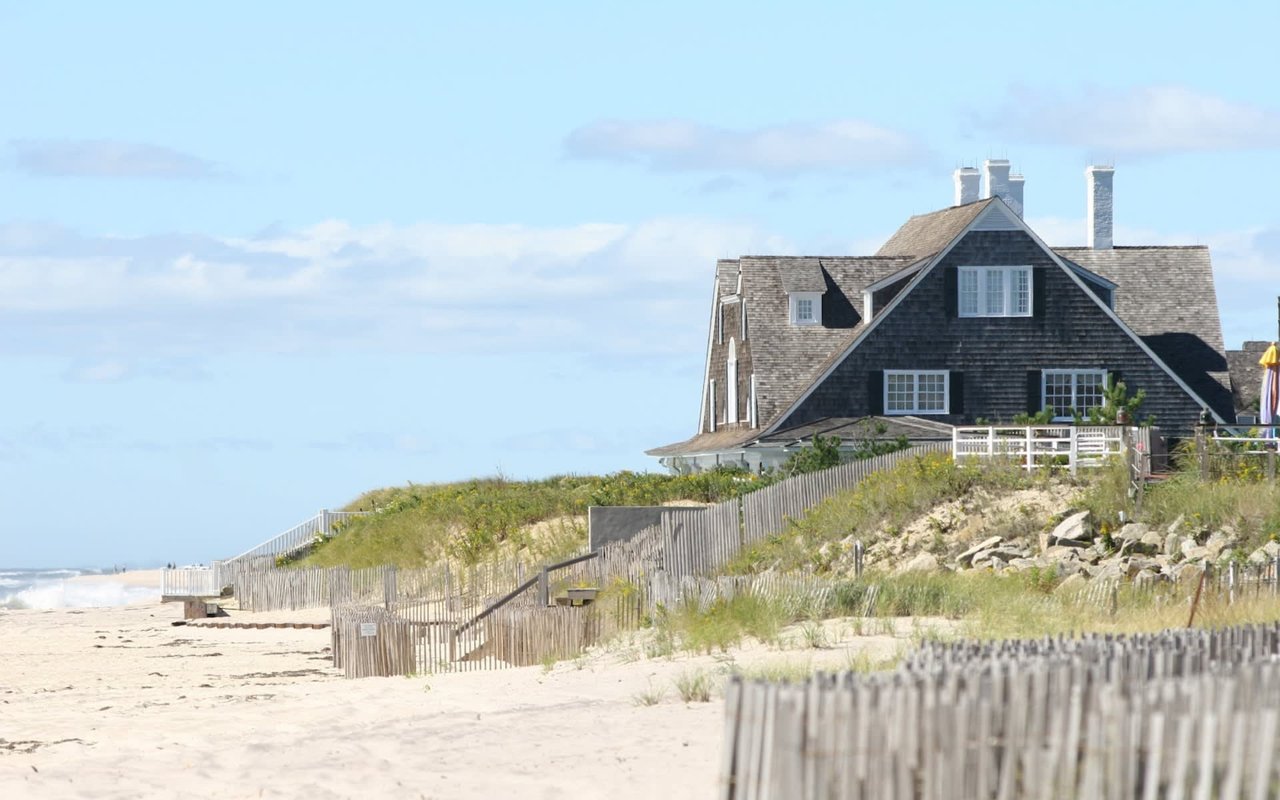
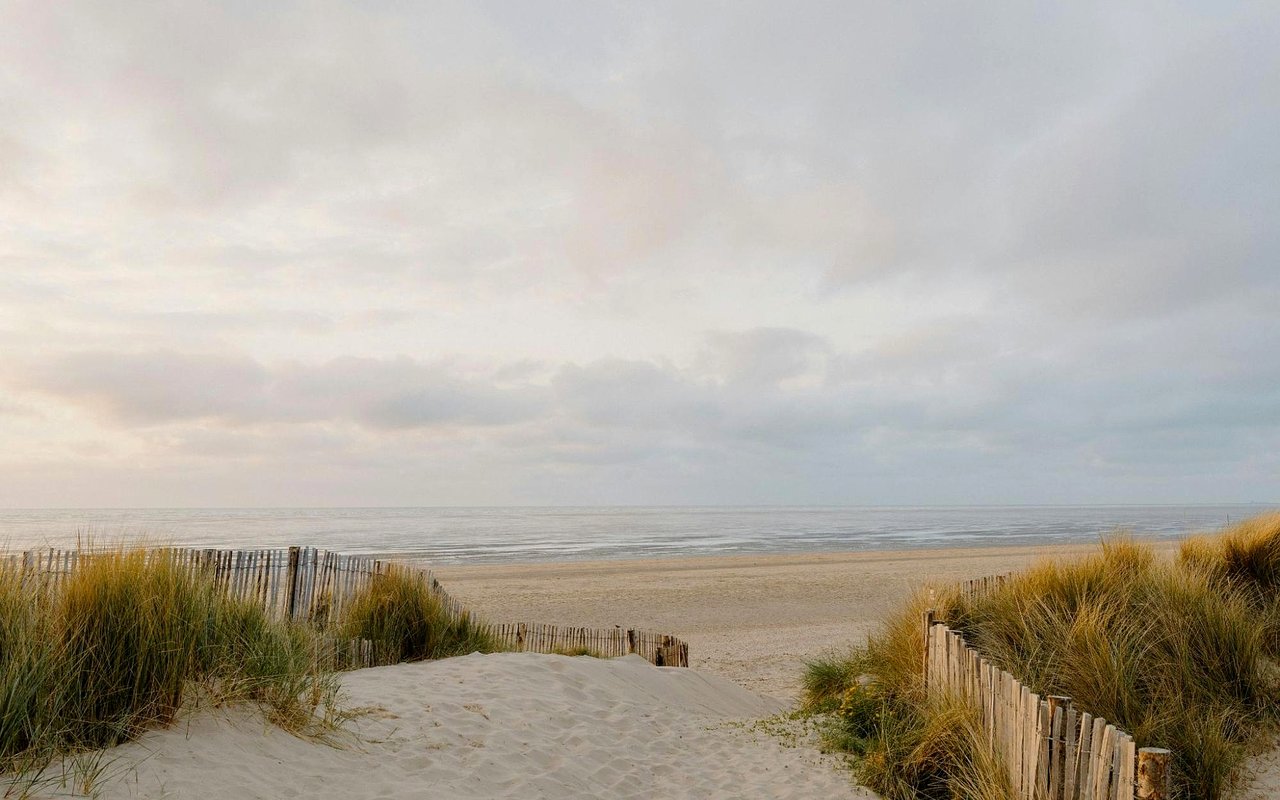
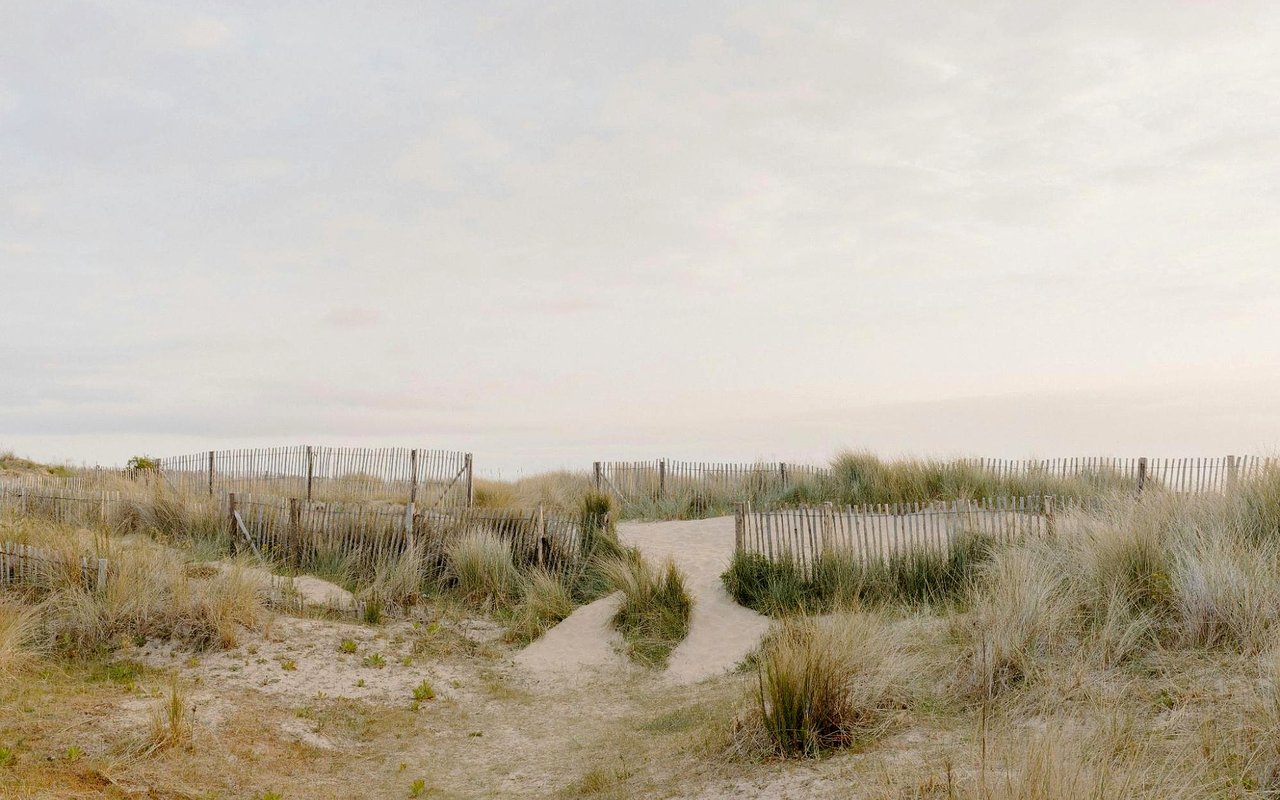
Winter on the East End is quieter than most newcomers expect, but it is also genuinely beautiful. The light off the Atlantic in late fall is extraordinary. The beaches are empty and available for long walks every day. Restaurants that stay open through winter tend to be excellent and well worth supporting. The year-round community in villages like Sag Harbor, East Hampton, and Southampton is active and engaged, with events at Guild Hall, the Bay Street Theater, and the East Hampton Historical Society running across all twelve months.
How to Settle In Across the Seasons
-
Get to know your neighbors in the fall, when the pace slows and connection is easier
-
Explore the back roads and beaches in the off-season: Georgica Beach, Two Mile Hollow Beach, and the trails through Northwest Woods are different places in October than in August
-
Find the year-round restaurants and become a regular; these relationships matter and the community is more connected than it looks from the outside
-
Plan a city trip pattern that works for you; most year-round residents develop a rhythm of when they go into Manhattan and for how long
Working With Local Service Providers
One thing that catches newcomers off guard is that the best local service providers, plumbers, electricians, landscapers, property managers, contractors, are often fully booked, especially coming out of summer. Building those relationships early matters. A property manager you trust is one of the most valuable resources you can have on the East End, particularly if you travel or spend part of the year elsewhere.
The same applies to local professionals in every category. The East End has excellent medical facilities, including Stony Brook Southampton Hospital, and a strong network of local attorneys, accountants, and financial advisors who specialize in the legal and tax considerations that come with owning property in New York State.
Relationships Worth Building Early
-
A reliable local contractor or property manager for seasonal maintenance and oversight
-
A landscaping or grounds team familiar with the specific conditions of East End properties: salt air, sandy soil, and deer pressure require local knowledge
-
A local attorney familiar with village regulations, historic district rules, and New York State property law
-
Year-round neighbors who know the community and can point you toward the services and resources that actually work here
Frequently Asked Questions
Is the Hamptons genuinely livable year-round, or does it feel empty in winter?
It depends significantly on which village you are in. Sag Harbor, East Hampton Village, and Southampton Village all have active year-round communities with restaurants, cultural programming, and local businesses that stay open through the colder months. More rural areas like Sagaponack or the outer reaches of Montauk are quieter in winter, which for many people is exactly the point.
What is the biggest adjustment for people moving from New York City?
The car dependence is the most immediate practical shift. Beyond that, the pace is slower and the community is smaller, in ways that most people come to appreciate but which take adjustment if you are used to urban anonymity. The East End rewards engagement; the more you participate in the local community, the richer the experience.
How far in advance should I plan my move logistics?
For a move during peak season, booking movers and coordinating with service providers at least two to three months in advance is wise. Summer is by far the busiest period for logistics on the East End, and experienced movers who know the local roads, property types, and village regulations book up quickly.
Meet Your Hamptons Guide
Susan Breitenbach is a Licensed Associate Real Estate Broker with The Corcoran Group, based out of offices in Southampton and Sag Harbor. She has spent over 35 years working the Hamptons market from Westhampton to Montauk and has closed more than $6.4 billion in career sales, helping many clients through exactly this kind of year-round transition.
Related Reading
Contact Me Today
Making the most of a move to the Hamptons starts with making the right real estate decision: the right village, the right property, and the right fit for how you actually want to live here. That conversation is one I enjoy having, and it is where I can be most useful.
Source Notes: Village character, transportation options, and seasonal community details reflect previously published site content and are consistent with generally known East End services (Hampton Jitney, Long Island Rail Road, Stony Brook Southampton Hospital).