By Susan Breitenbach
A pre-listing inspection is one of the most useful things a Hamptons seller can do before going to market — and one of the most commonly skipped. Buyers at every price point on the East End are conducting their own thorough inspections, and those findings often drive renegotiation or kill deals. When you know what is in your home before buyers do, you control the conversation.
Key Takeaways
-
New York's Property Condition Disclosure Statement is now mandatory for most residential sales — the $500 opt-out was eliminated effective March 2024
-
A pre-listing inspection lets sellers fix problems on their own terms before buyers use them as negotiating leverage
-
Hamptons homes carry specific vulnerabilities — coastal exposure, older systems, and seasonal vacancy — that require particular attention
-
How a seller responds to inspection findings signals as much to buyers as the findings themselves
New York Disclosure Law Has Changed — What Sellers Need to Know
As of March 20, 2024, New York sellers of residential properties can no longer skip the Property Condition Disclosure Statement by paying a $500 credit to the buyer. The PCDS is now mandatory for most one-to-four family residential sales. Sellers are required to complete it honestly based on their actual knowledge of the property and deliver it to the buyer before the contract is signed. An updated version of the form took effect July 1, 2025.
The disclosure asks about material defects — structural issues, water damage, roof condition, HVAC, electrical, plumbing, environmental hazards, and more. Sellers are not required to hire an inspector before completing it, but doing so is the clearest way to answer accurately and reduce legal exposure. A pre-listing inspection gives you documented knowledge of your property's condition before you sit down with that form.
The disclosure asks about material defects — structural issues, water damage, roof condition, HVAC, electrical, plumbing, environmental hazards, and more. Sellers are not required to hire an inspector before completing it, but doing so is the clearest way to answer accurately and reduce legal exposure. A pre-listing inspection gives you documented knowledge of your property's condition before you sit down with that form.
What the PCDS Requires Sellers to Address
-
Structural condition — foundation, walls, roof, and framing
-
Water intrusion — basement, crawl spaces, and any prior flooding
-
Mechanical systems — heating, cooling, electrical, and plumbing
-
Environmental concerns — lead paint in homes built before 1978, radon, septic systems
-
Any known material defect that would affect the property's value
Why a Pre-Listing Inspection Makes Strategic Sense
The Hamptons buyer pool is sophisticated. At the price points common on the East End, buyers routinely hire experienced inspectors and engineers, and they review findings carefully before deciding whether to proceed, renegotiate, or walk. A seller who discovers a problem for the first time during a buyer's inspection is immediately in a weaker position — the buyer controls the timeline, the tone, and the ask.
A pre-listing inspection flips that dynamic. When you find a roof issue, a failing HVAC system, or evidence of past moisture intrusion before listing, you can choose how to handle it. Some problems are worth fixing before you go to market. Others are better disclosed with documentation and a realistic price adjustment. What you avoid is the worst outcome: a buyer discovering something mid-deal that they then use to extract a much larger credit than the actual repair would have cost.
A pre-listing inspection flips that dynamic. When you find a roof issue, a failing HVAC system, or evidence of past moisture intrusion before listing, you can choose how to handle it. Some problems are worth fixing before you go to market. Others are better disclosed with documentation and a realistic price adjustment. What you avoid is the worst outcome: a buyer discovering something mid-deal that they then use to extract a much larger credit than the actual repair would have cost.
The Strategic Choices a Pre-Listing Inspection Opens Up
-
Fix it before listing — address the issue at your chosen contractor's price, not the buyer's worst-case estimate
-
Disclose and price accordingly — set an honest price from the start and attract buyers who accept the condition
-
Provide documentation — showing buyers a full inspection report with repairs already completed builds confidence and reduces re-inspection risk
-
Avoid mid-deal surprises — the most expensive time to find a problem is after an offer has been accepted
What Hamptons Inspectors Look at That Other Markets May Not
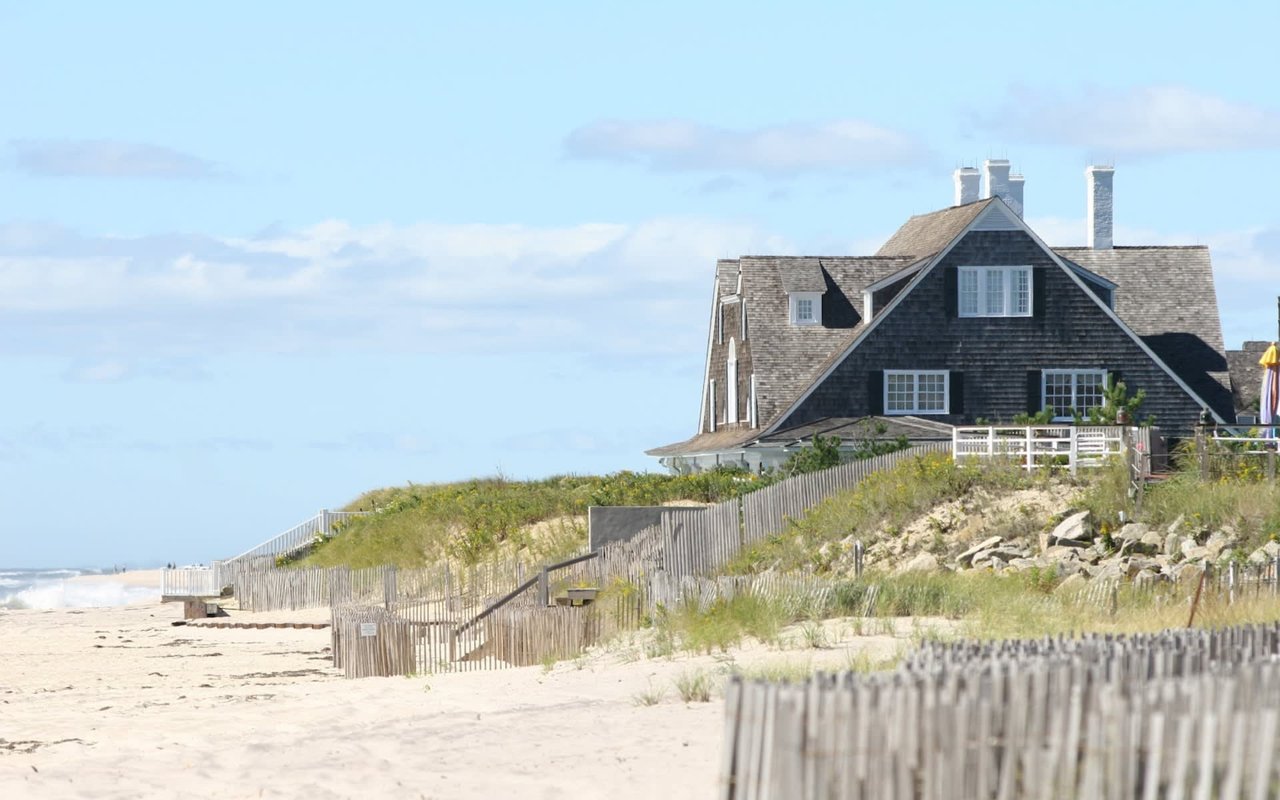
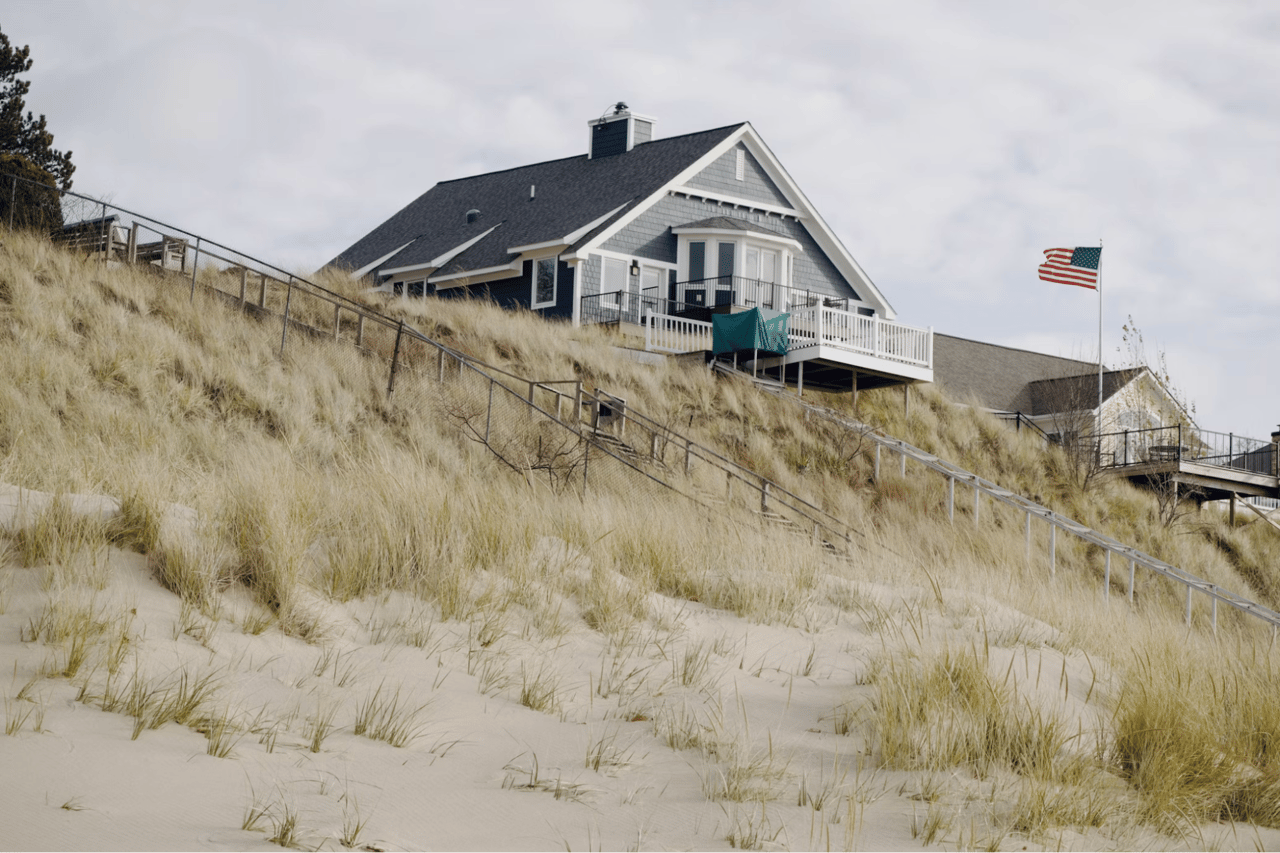
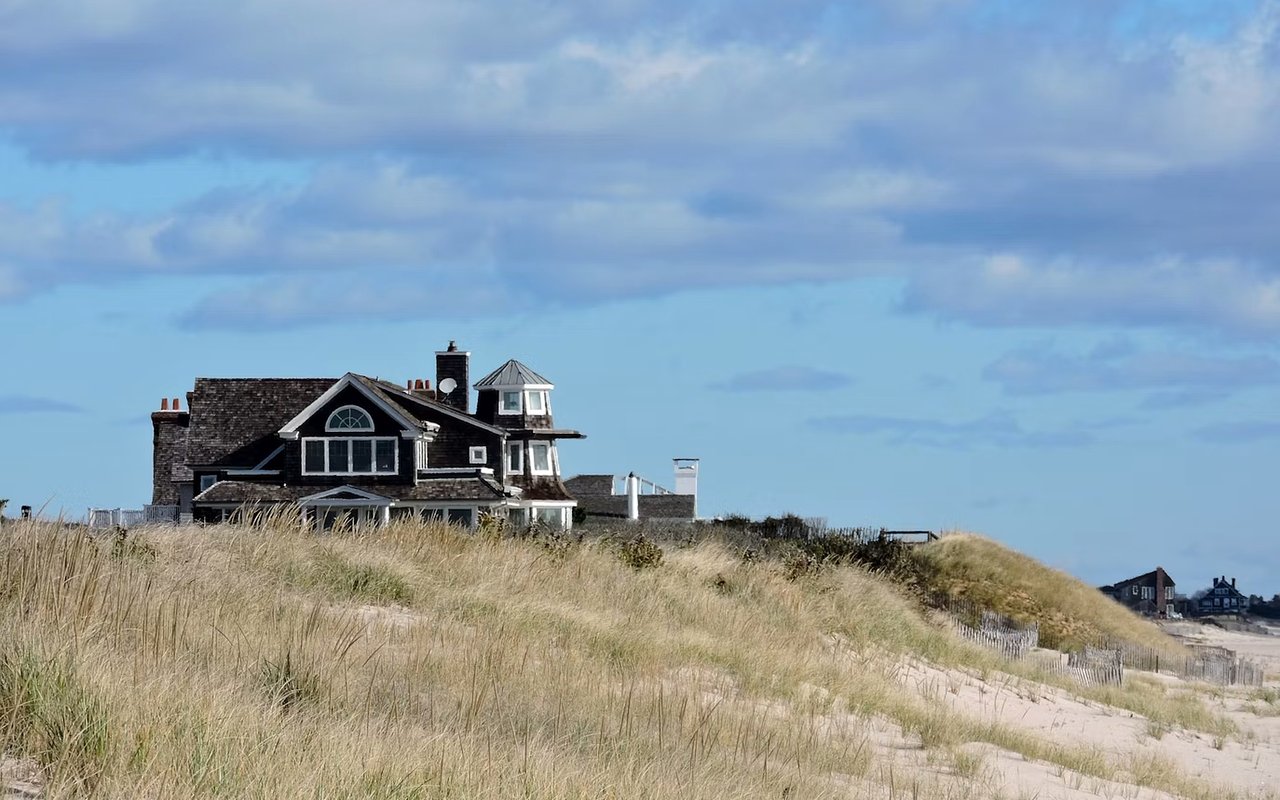
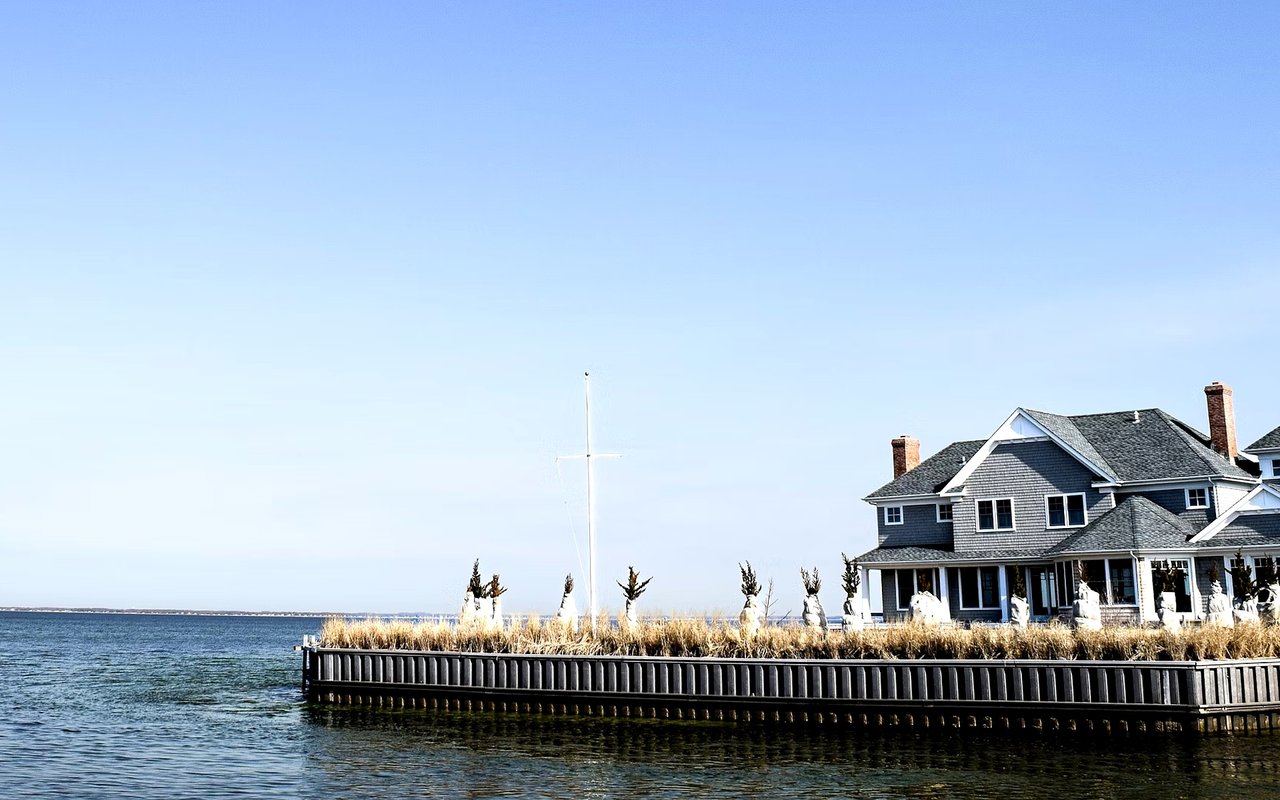
East End homes face specific pressures that inspectors familiar with the region prioritize. Coastal salt air accelerates corrosion of exterior components, mechanical systems, and structural fasteners. Many Hamptons homes sit vacant for long stretches of winter, which creates conditions for moisture, pest activity, and deferred maintenance that can compound quickly.
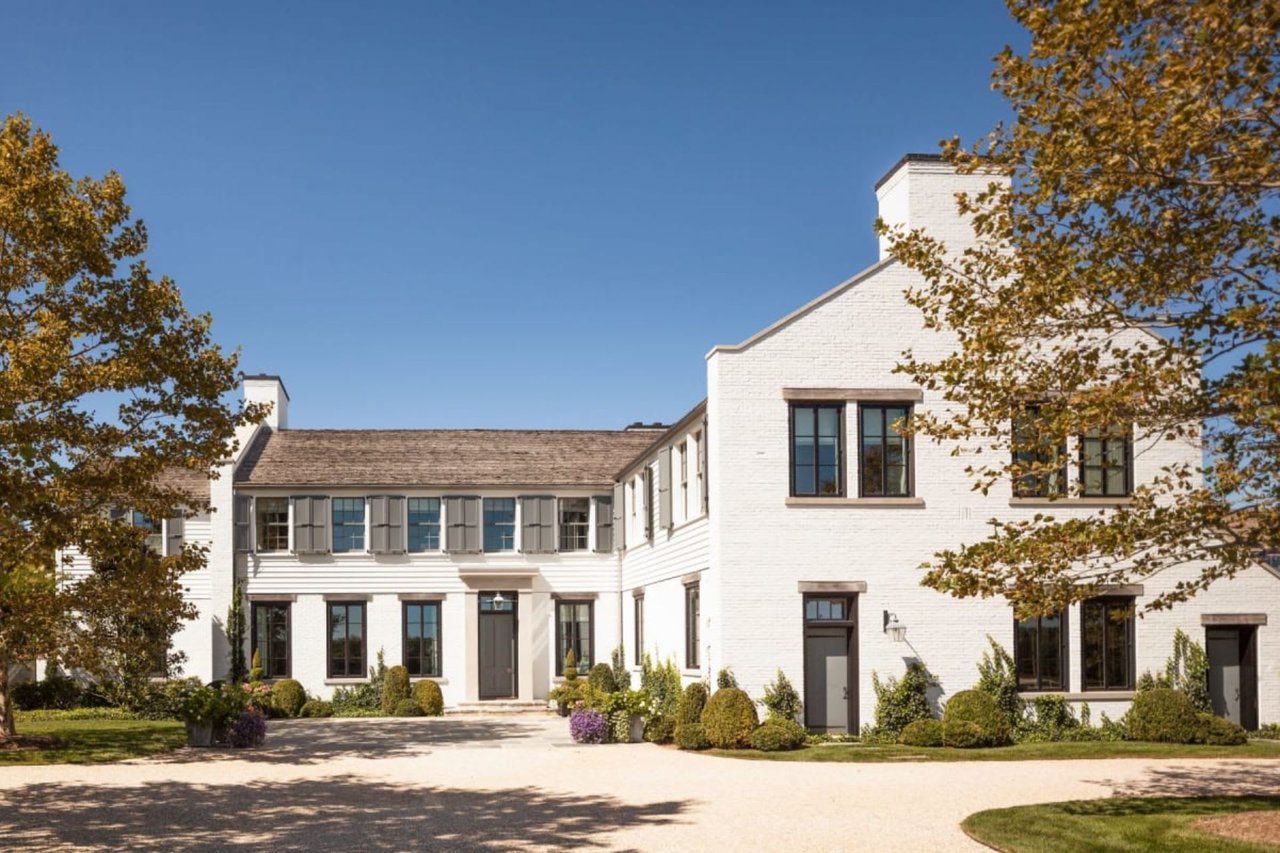
Older estates in East Hampton Village and Southampton Village often carry aging infrastructure — original electrical panels, cast iron plumbing, oil tanks that may need environmental review — that requires more than a standard inspection to fully assess.
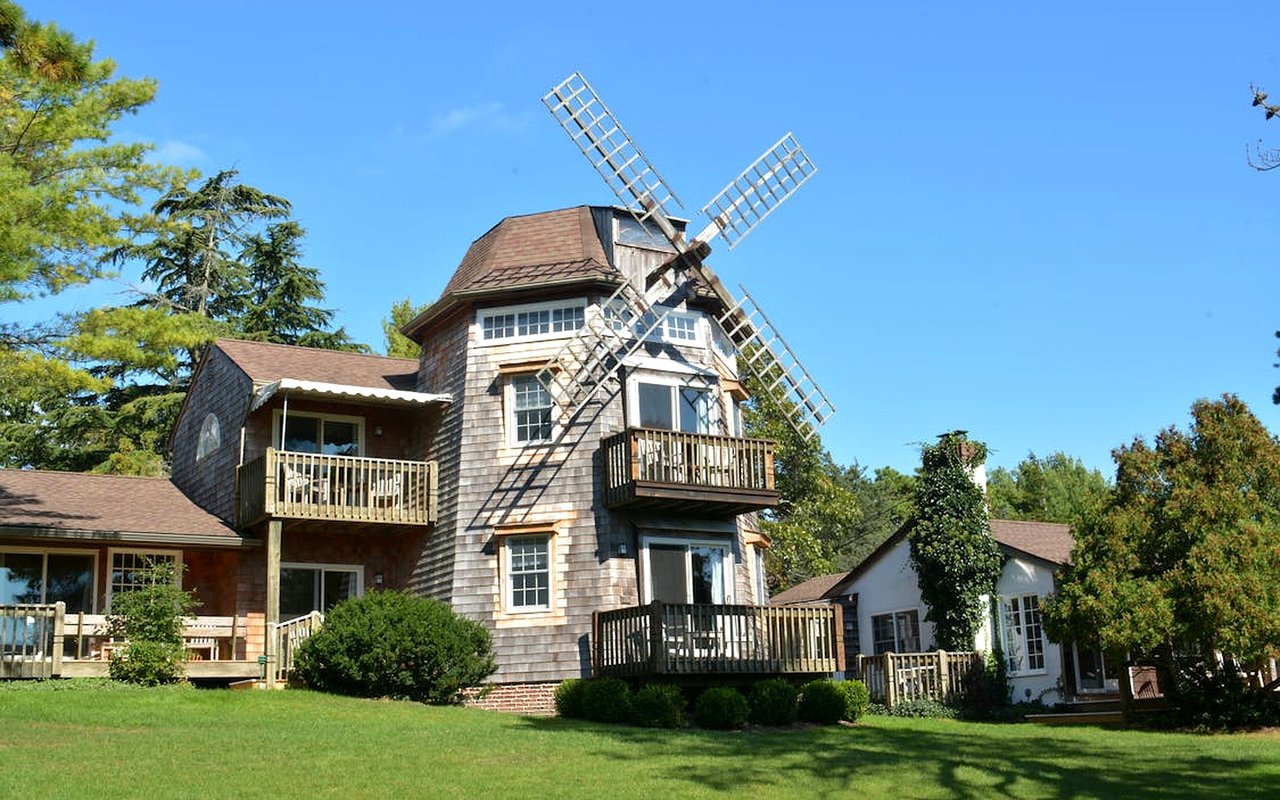
Homes with pools, pool houses, generators, irrigation systems, and guest cottages — common features at the higher end — each add inspection scope. A thorough pre-listing inspection on a large Hamptons estate is not a single afternoon. Budget time and engage inspectors who know East End construction and the particular issues that arise here.
Older estates in East Hampton Village and Southampton Village often carry aging infrastructure — original electrical panels, cast iron plumbing, oil tanks that may need environmental review — that requires more than a standard inspection to fully assess.
Homes with pools, pool houses, generators, irrigation systems, and guest cottages — common features at the higher end — each add inspection scope. A thorough pre-listing inspection on a large Hamptons estate is not a single afternoon. Budget time and engage inspectors who know East End construction and the particular issues that arise here.
Areas That Require Extra Attention in Hamptons Homes
-
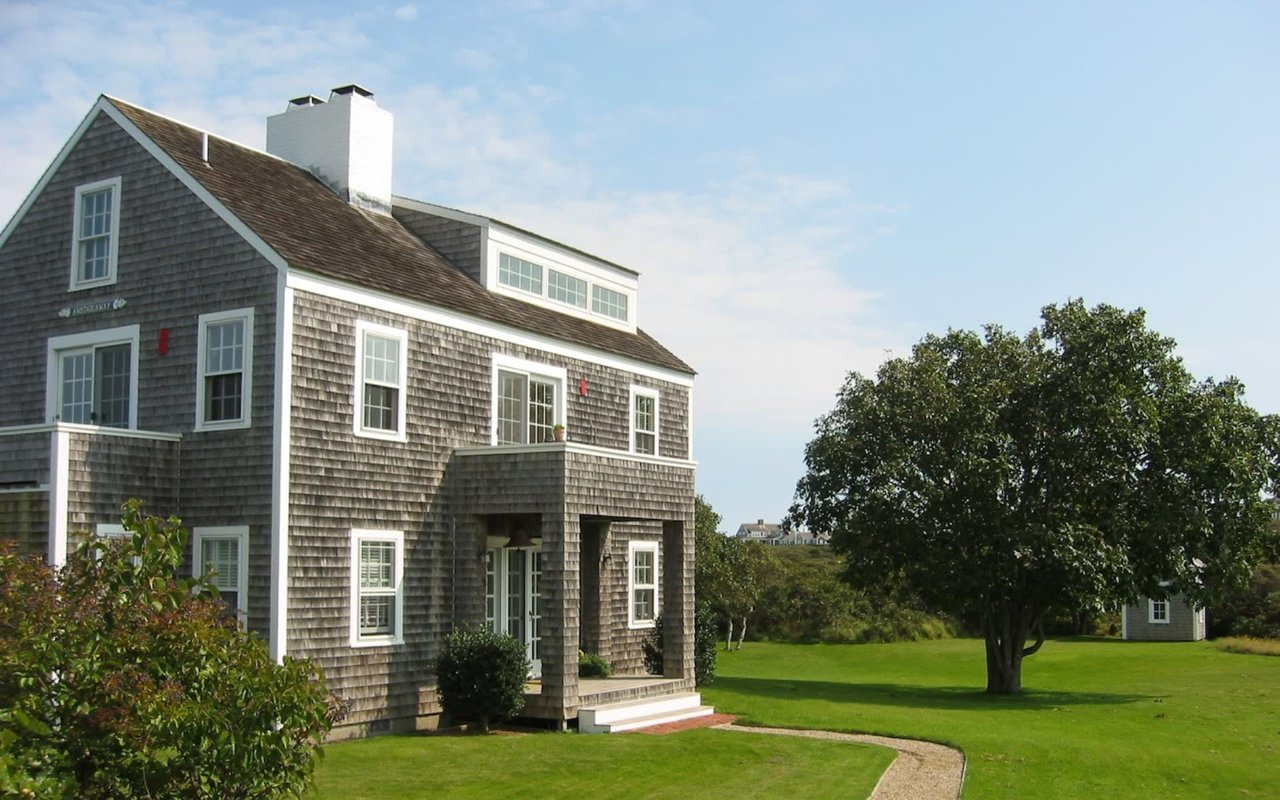
Exterior envelope — cedar shingles, trim, and windows exposed to salt air and freeze-thaw cycles
-
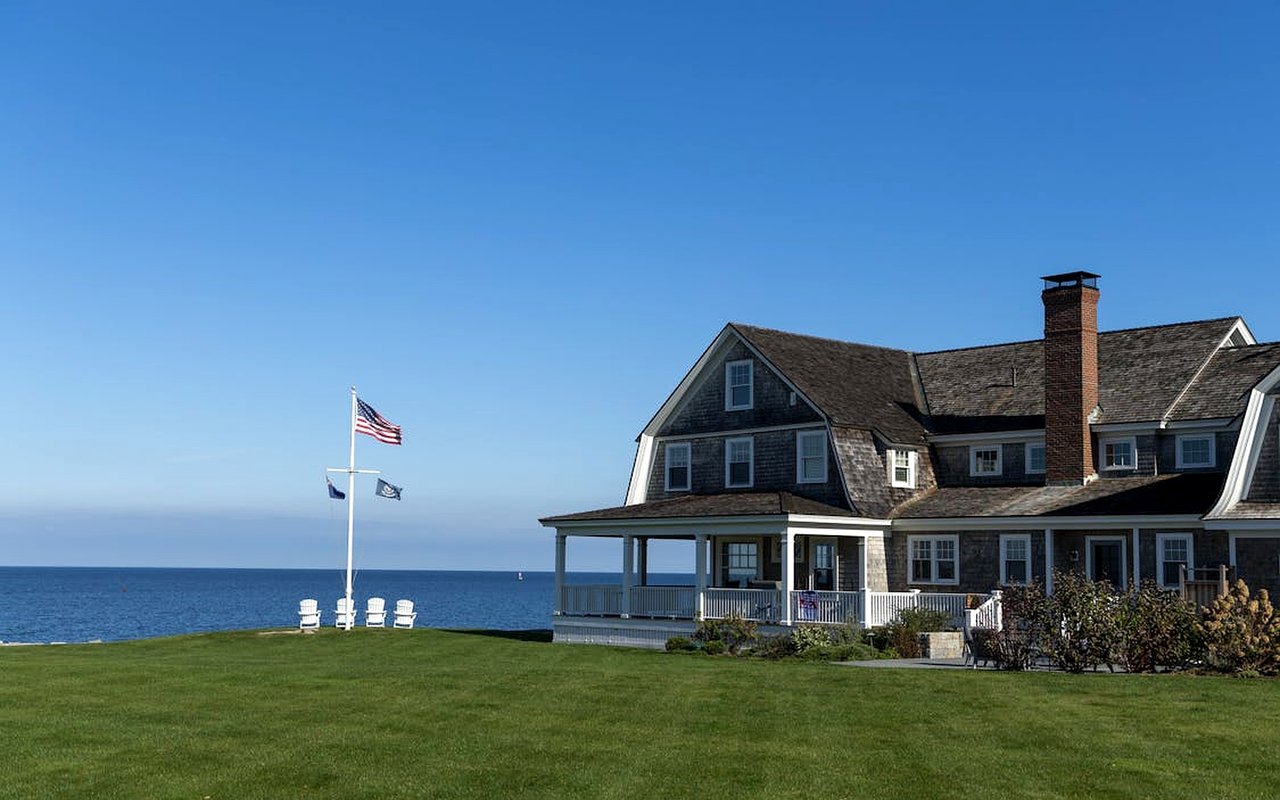
Roofing — particularly on older shingle-style homes with complex rooflines and multiple valleys
-
HVAC systems — systems run hard in summer and sit idle in winter, creating wear patterns different from year-round homes
-
Crawl spaces and basements — moisture accumulation during unoccupied months
-
Pools and mechanicals — equipment, heaters, and decking that require separate review
What to Do With the Results
Getting the inspection is the easy part. Deciding what to do with the findings is where I earn my value as your broker. Not every finding warrants a repair — some issues are minor, some are cosmetic, and some are best left to a buyer to handle as they choose. But a small number of findings in every inspection have real bearing on how a home will be perceived, how it will appraise, and how buyers will react.
My approach is to review inspection findings with a seller before the listing goes live and make clear-eyed decisions together about what to address and what to disclose. Buyers who receive a complete, honest picture of a property — along with documentation of repairs already made — tend to move forward with more confidence and fewer demands than buyers who feel they are uncovering things on their own.
My approach is to review inspection findings with a seller before the listing goes live and make clear-eyed decisions together about what to address and what to disclose. Buyers who receive a complete, honest picture of a property — along with documentation of repairs already made — tend to move forward with more confidence and fewer demands than buyers who feel they are uncovering things on their own.
FAQs
Is a pre-listing inspection required before selling a home in the Hamptons?
No — New York law does not require sellers to conduct an inspection before completing the Property Condition Disclosure Statement. But the PCDS itself is now mandatory for most residential sales, and a pre-listing inspection is the best tool for completing it accurately and reducing your legal exposure. I recommend one for almost every seller I work with.
Does doing a pre-listing inspection mean I have to disclose everything the inspector finds?
The PCDS requires disclosure of known material defects — issues that would affect the value or desirability of the property. An inspection makes you aware of conditions you may not have known about, which affects what you are required to disclose. This is a conversation worth having with your attorney, and I always recommend sellers consult legal counsel before completing the form.
How much does a thorough home inspection cost for a larger Hamptons property?
Costs vary based on the size and complexity of the home, but for a large Hamptons estate with a pool, guest house, and multiple mechanical systems, a thorough inspection typically ranges from several hundred to over a thousand dollars. That is a small cost relative to the price of a mid-deal renegotiation — or a transaction that falls apart because a buyer found something the seller did not know about.
Contact Me Today
Preparing a Hamptons home for sale involves more than staging and photography — it requires honest preparation and a clear strategy before the listing goes live. That process starts with understanding what you have and making smart decisions about how to present it.
Reach out to me, Susan Breitenbach, and let's talk about how to get your home ready to sell.
Reach out to me, Susan Breitenbach, and let's talk about how to get your home ready to sell.