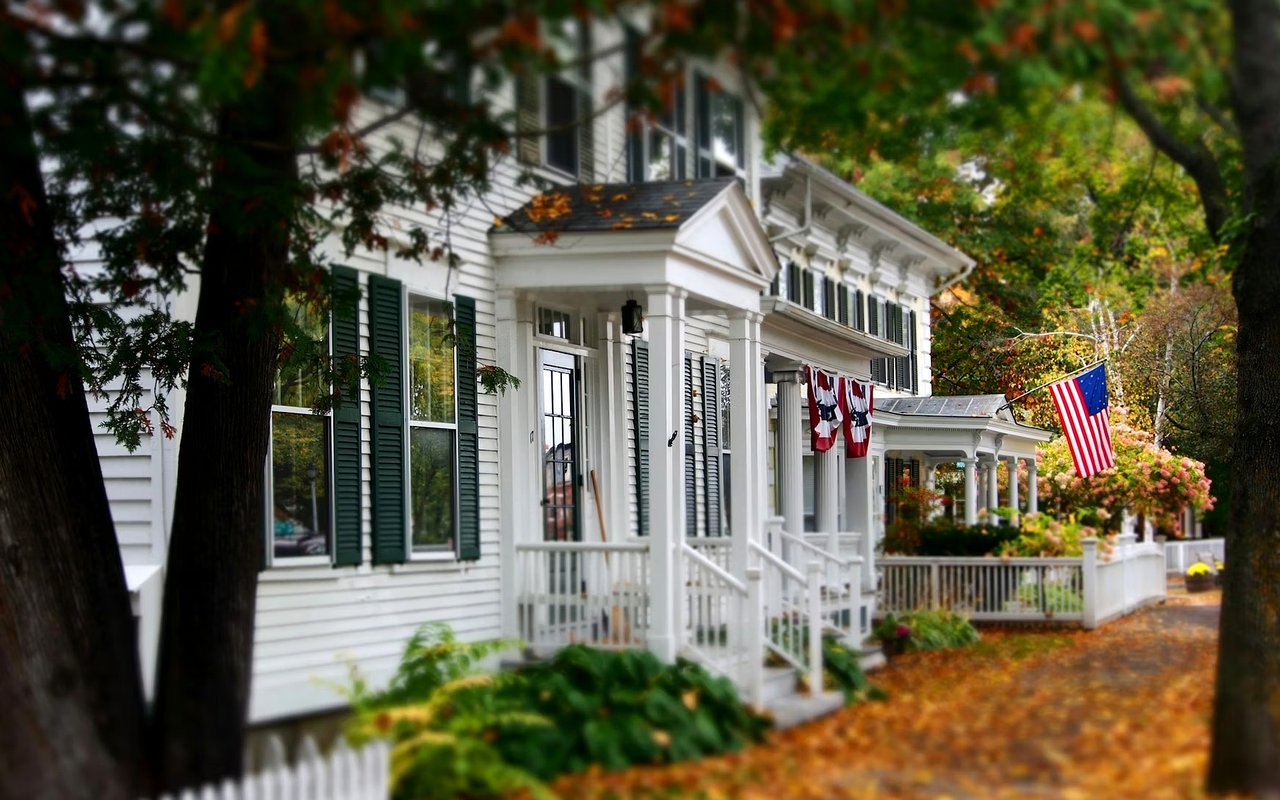
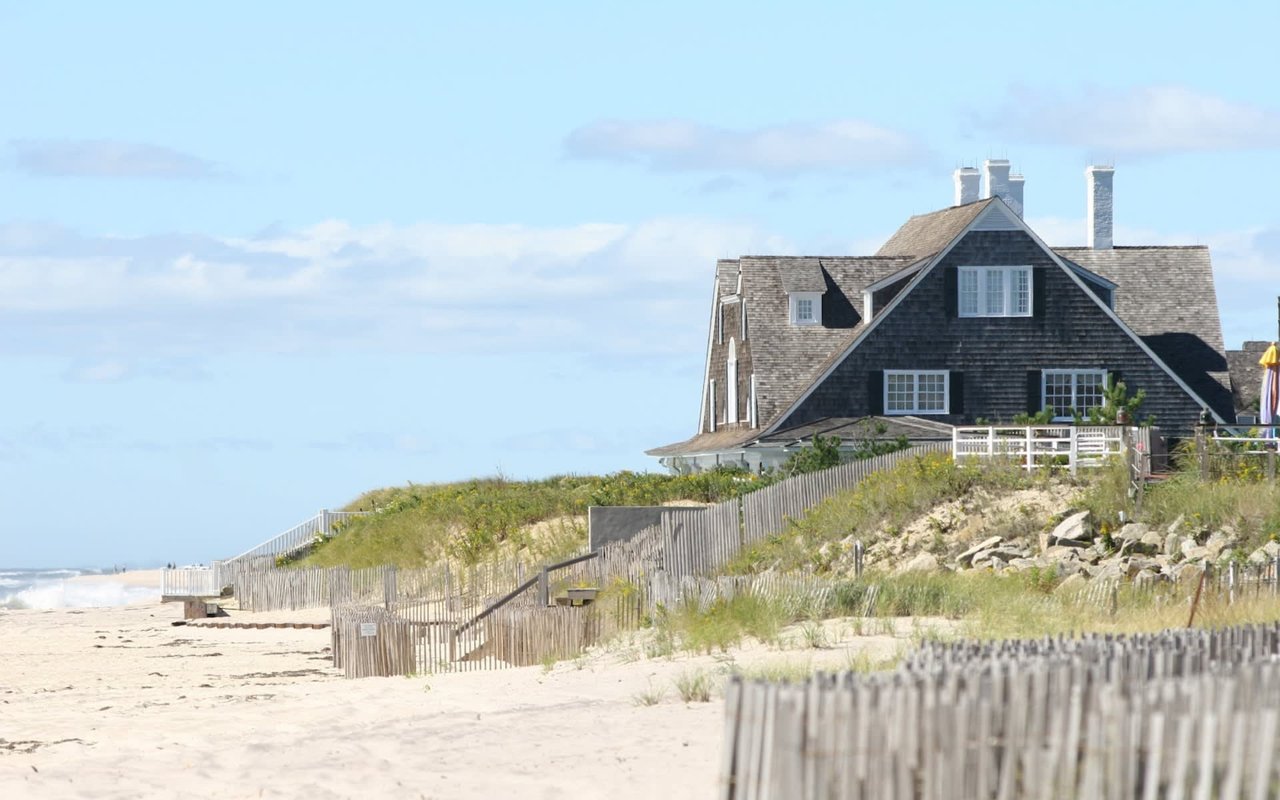
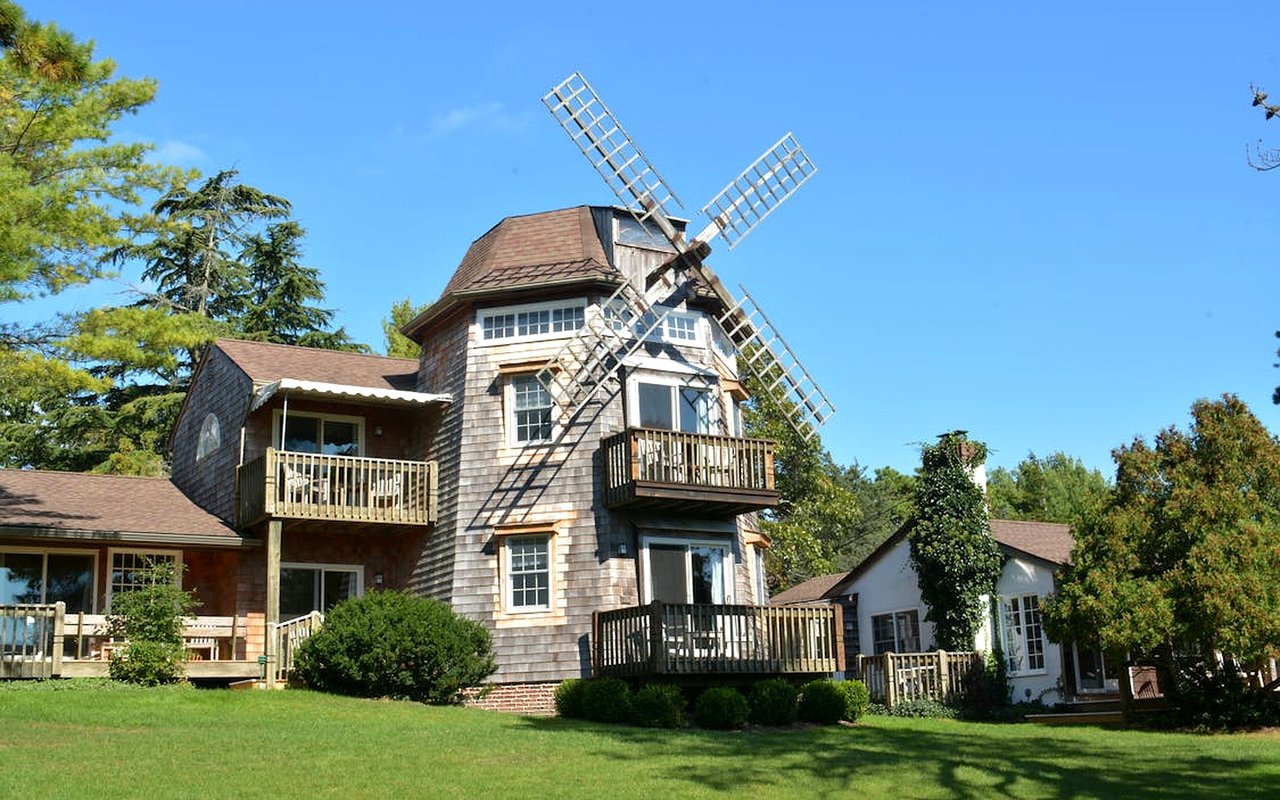
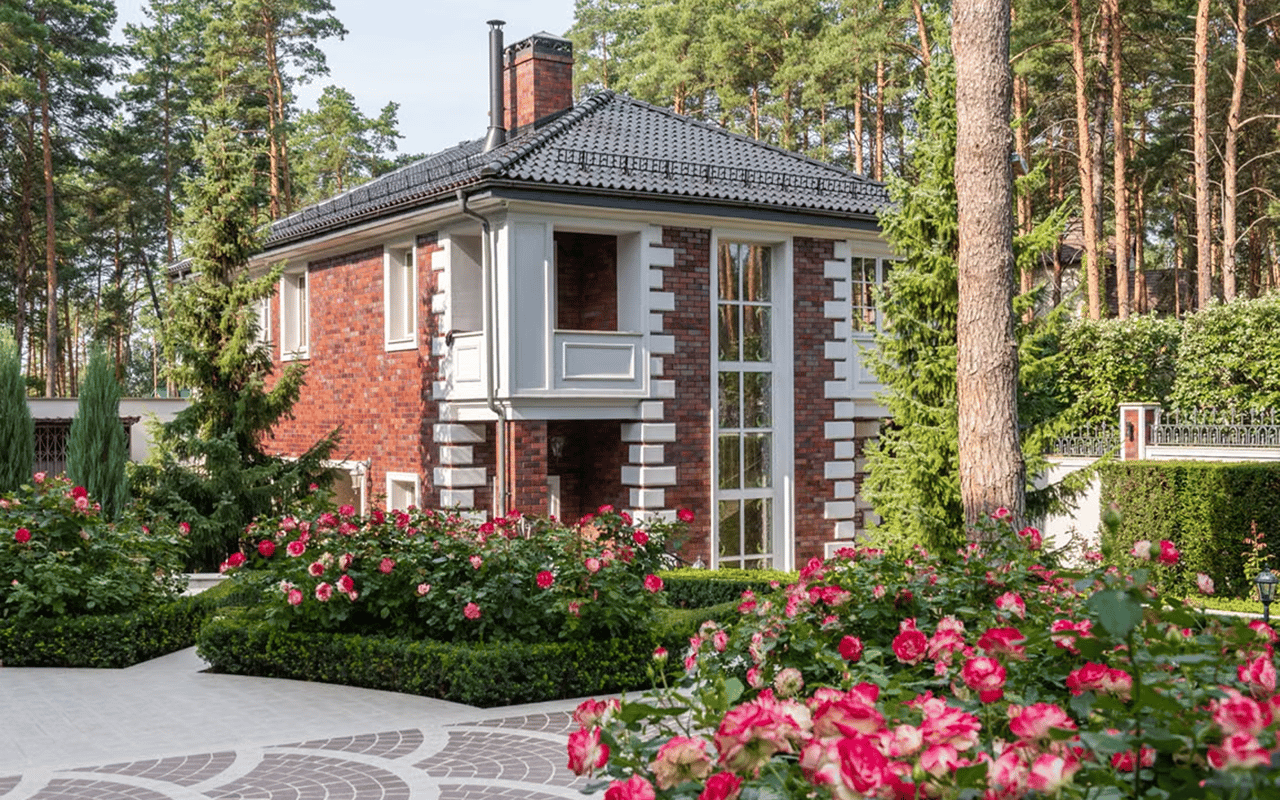
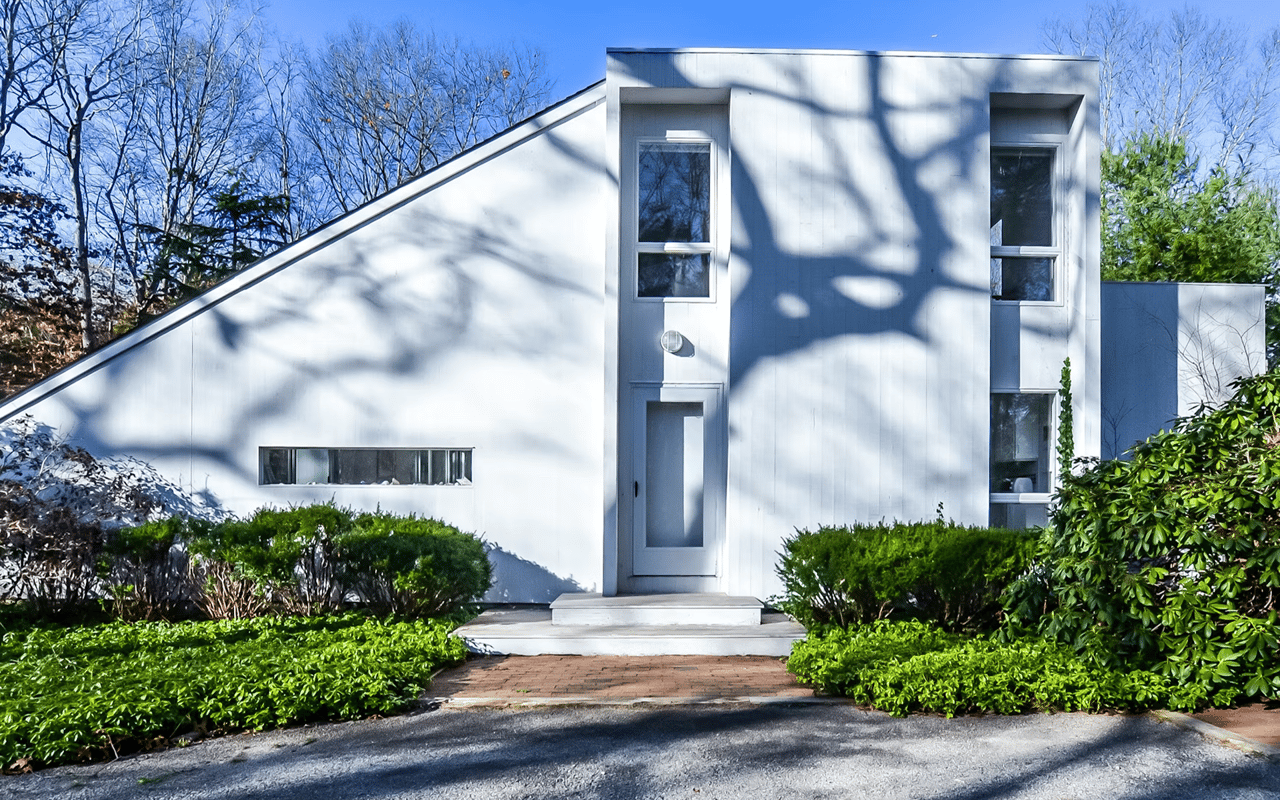
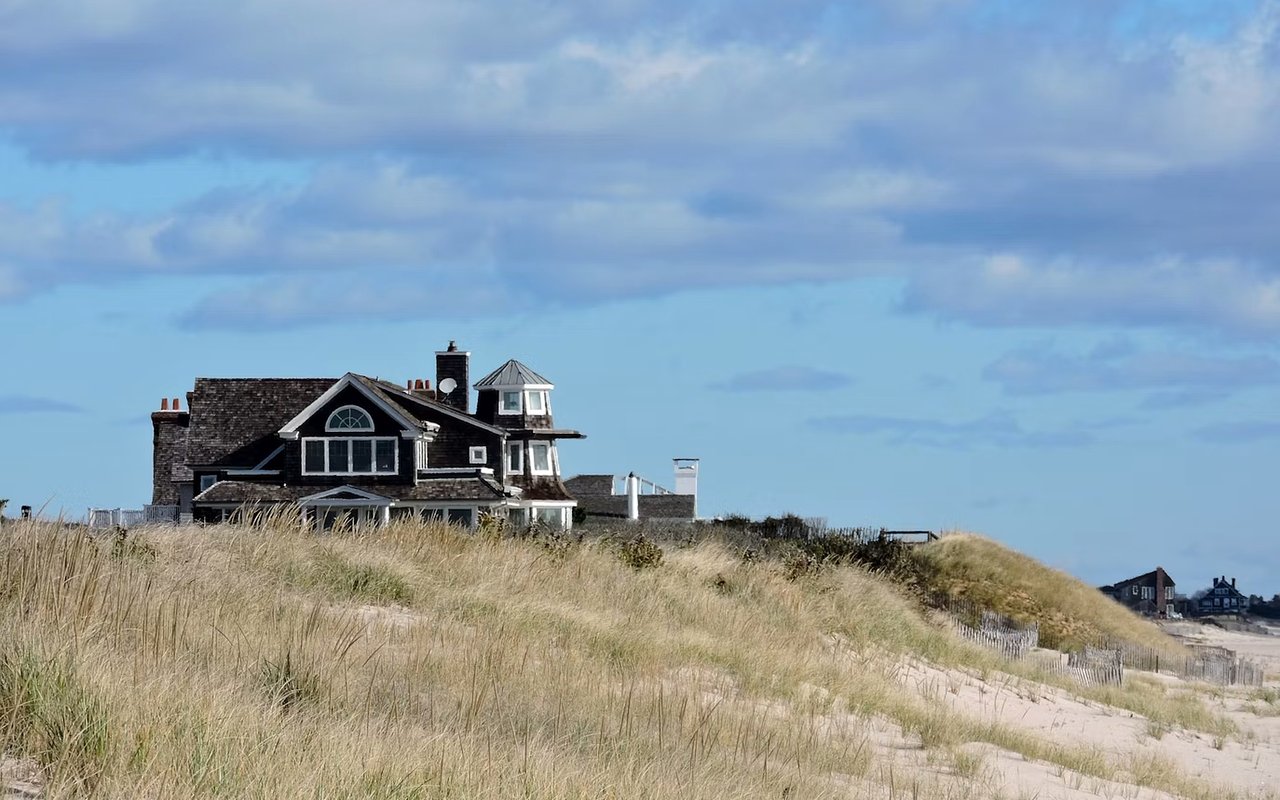
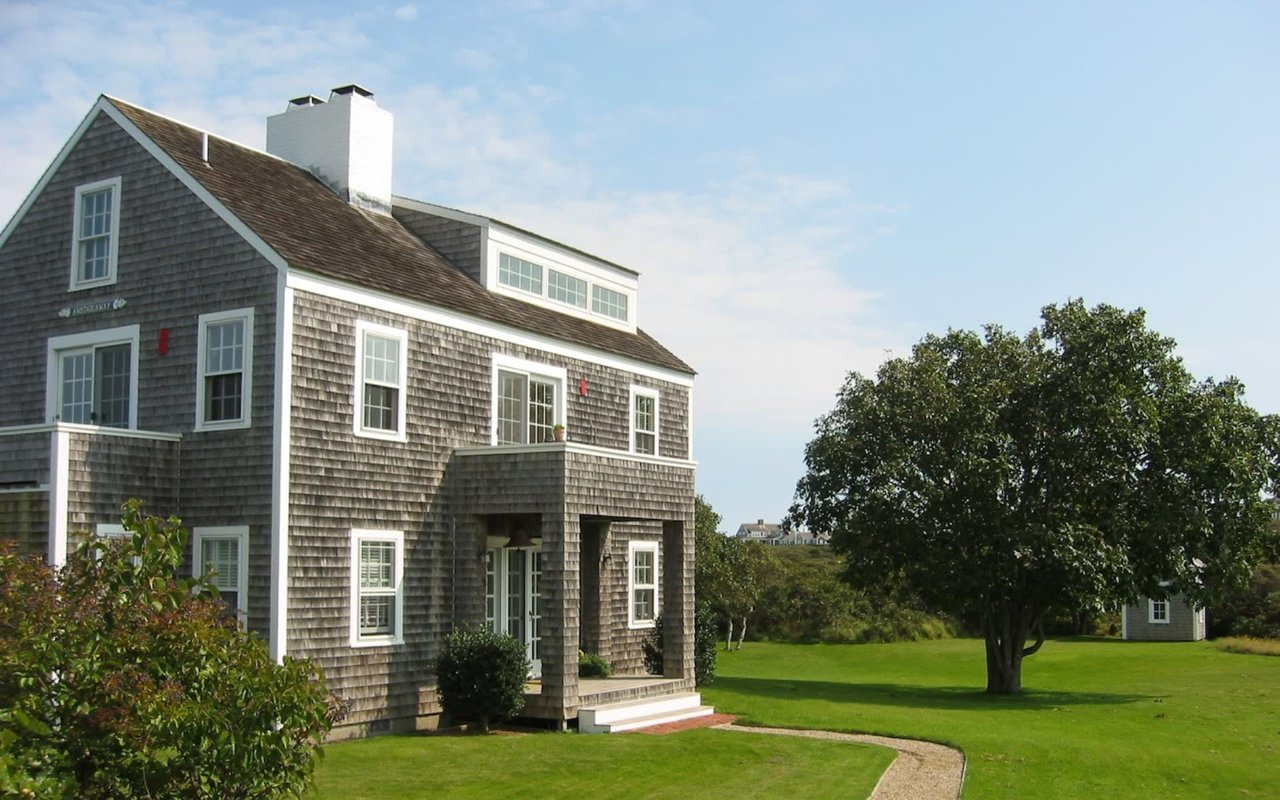
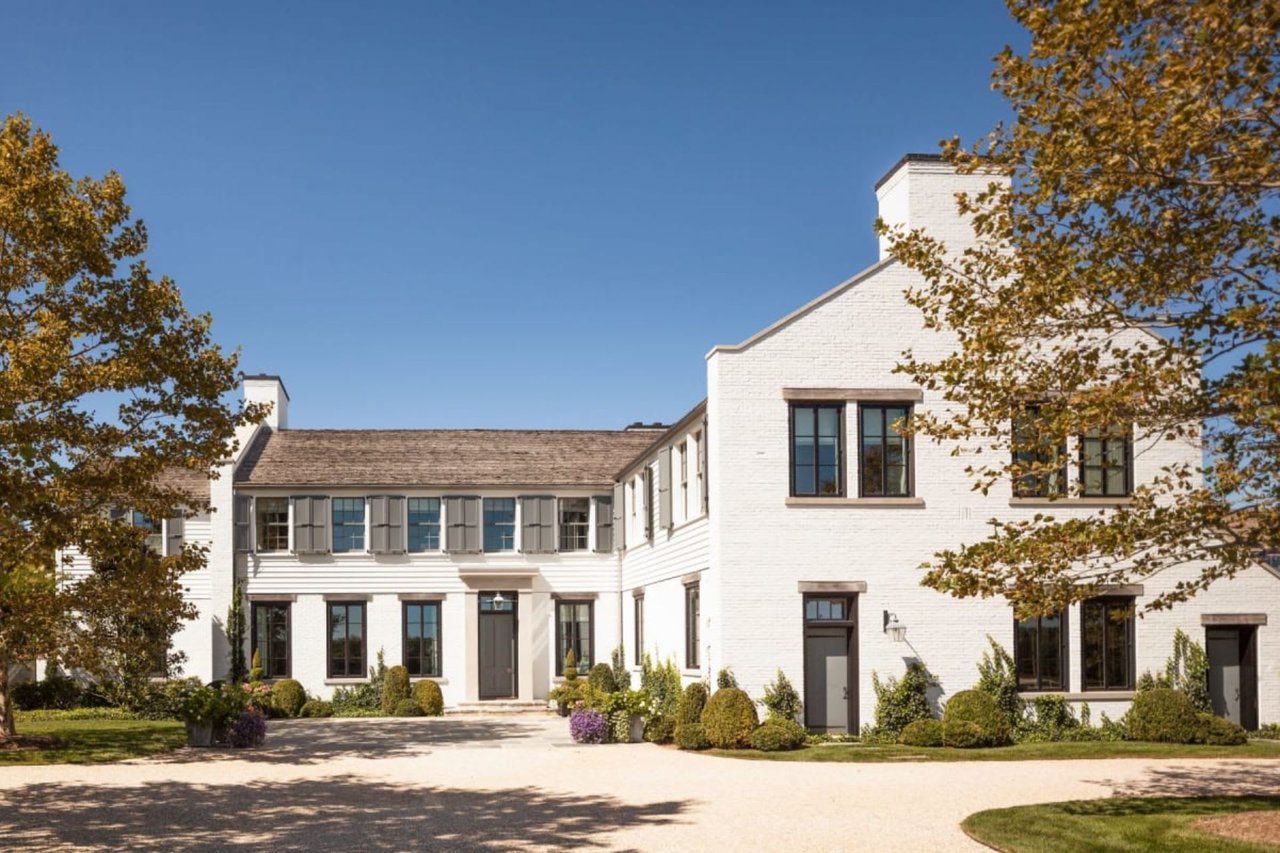
The South Fork, the Hamptons, posted a median home price of $2.4 million in the fourth quarter of 2025, up 33% year over year. The North Fork remains far more accessible, with hamlet medians near $1 million, such as Cutchogue's $1.05 million. Buyers prioritizing ocean frontage and established prestige should look South Fork; buyers prioritizing land, vineyards, and entry price should look North Fork.
South Fork (the Hamptons) | North Fork |
|---|
Price Range |
From roughly $1M entry points to estate properties with an essentially limitless ceiling | From roughly $500K to $600K condos up to waterfront estates near $11M |
Median Price |
$2.4 million (Q4 2025, up 33% year over year) | Hamlet medians near $1 million; Cutchogue at $1.05 million (up 21% year over year) |
Schools / District |
Multiple districts including East Hampton UFSD, Southampton UFSD, Sag Harbor UFSD, and Bridgehampton UFSD | Multiple districts including Southold UFSD, Mattituck-Cutchogue UFSD, and Greenport UFSD |
Commute from Manhattan |
Roughly 2 to 2.5 hours without traffic; can extend significantly in summer traffic | Roughly 2 to 2.5 hours without traffic; tends to move more efficiently due to lower traffic volume |
Lifestyle |
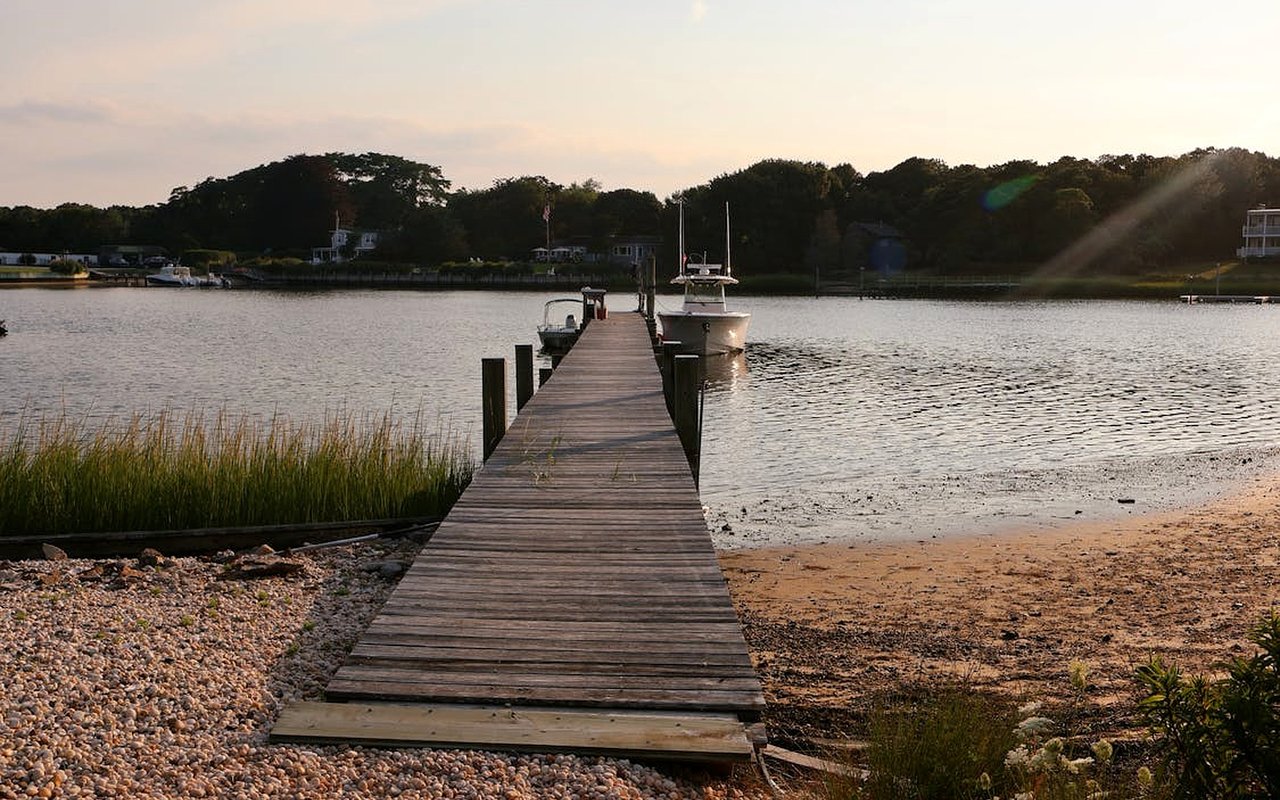
Atlantic Ocean beaches, curated village retail, sophisticated dining, established social scene | Agricultural landscape, 30-plus wineries and vineyards, quieter seasonal pace, Long Island Sound and Peconic Bay access |
Best For |
Buyers prioritizing ocean frontage, global name recognition, and long-established institutional demand | Buyers prioritizing land, vineyard lifestyle, and lower entry price with room for appreciation |
Our Pick For Buyer Profile |
Pure investment and prestige buyers: South Fork. Lifestyle-focused buyers seeking value and an emerging market: North Fork. |
Source: South Fork and North Fork median price figures per Riverhead News Review and Suffolk Times reporting on Q4 2025-2026 market data; school districts reflect publicly known district names for each region.
Weighing ocean frontage against vineyard acreage?
See what's currently available on the South Fork in the Hamptons, or reach out directly to talk through how each market fits your goals.
By Susan Breitenbach
One of the most fascinating conversations I have with buyers exploring the East End of Long Island is the one that begins with a simple question: North Fork or South Fork? On the surface, it sounds like a matter of preference. In practice, it is a decision that touches on lifestyle, investment strategy, price point, community culture, and long-term vision.
Two Forks, One Island, Entirely Different Worlds
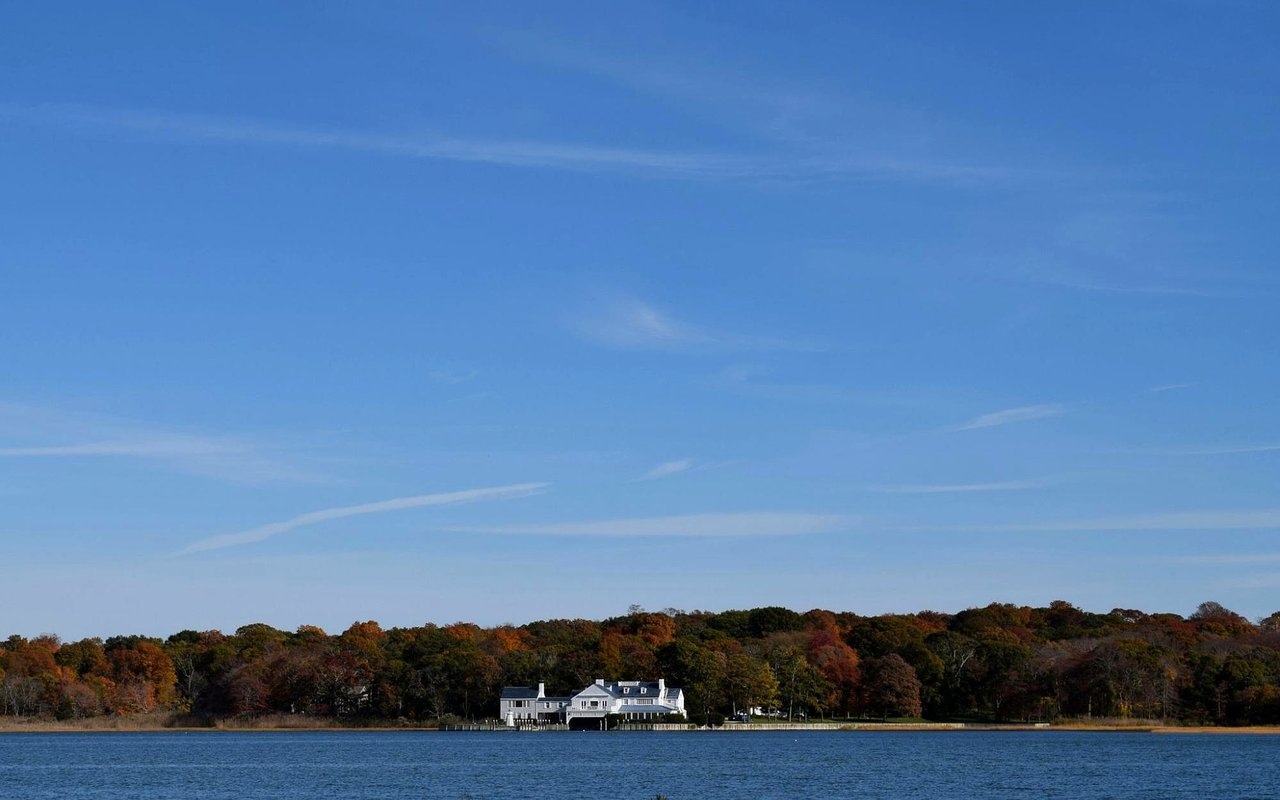
Long Island's East End splits into two distinct peninsulas at Riverhead. The South Fork stretches southeast through the Hamptons and culminates in Montauk at the island's eastern tip. The North Fork extends northeast through a quieter, more agricultural corridor of towns and hamlets including Jamesport, Mattituck, Cutchogue, Southold, and Greenport before reaching Orient Point.
These two landmasses share a body of water, Peconic Bay, and a train line, the Long Island Rail Road, but the similarities largely stop there. The South Fork, home to the Hamptons, is one of the most recognized luxury real estate markets in the world. The North Fork has emerged as its own compelling destination, attracting a different kind of buyer who prioritizes authenticity, value, and a slower pace of seasonal life.
Understanding what separates them is the foundation of making the right choice.
The South Fork: Prestige, Ocean Frontage, and the Hamptons Legacy
The Hamptons needs little introduction. Southampton, East Hampton, Bridgehampton, Sagaponack, Amagansett, and Montauk collectively represent one of the most tightly held and consistently appreciated real estate markets in North America. When buyers come to me seeking South Fork properties, they are typically drawn by a combination of factors that simply cannot be replicated elsewhere.
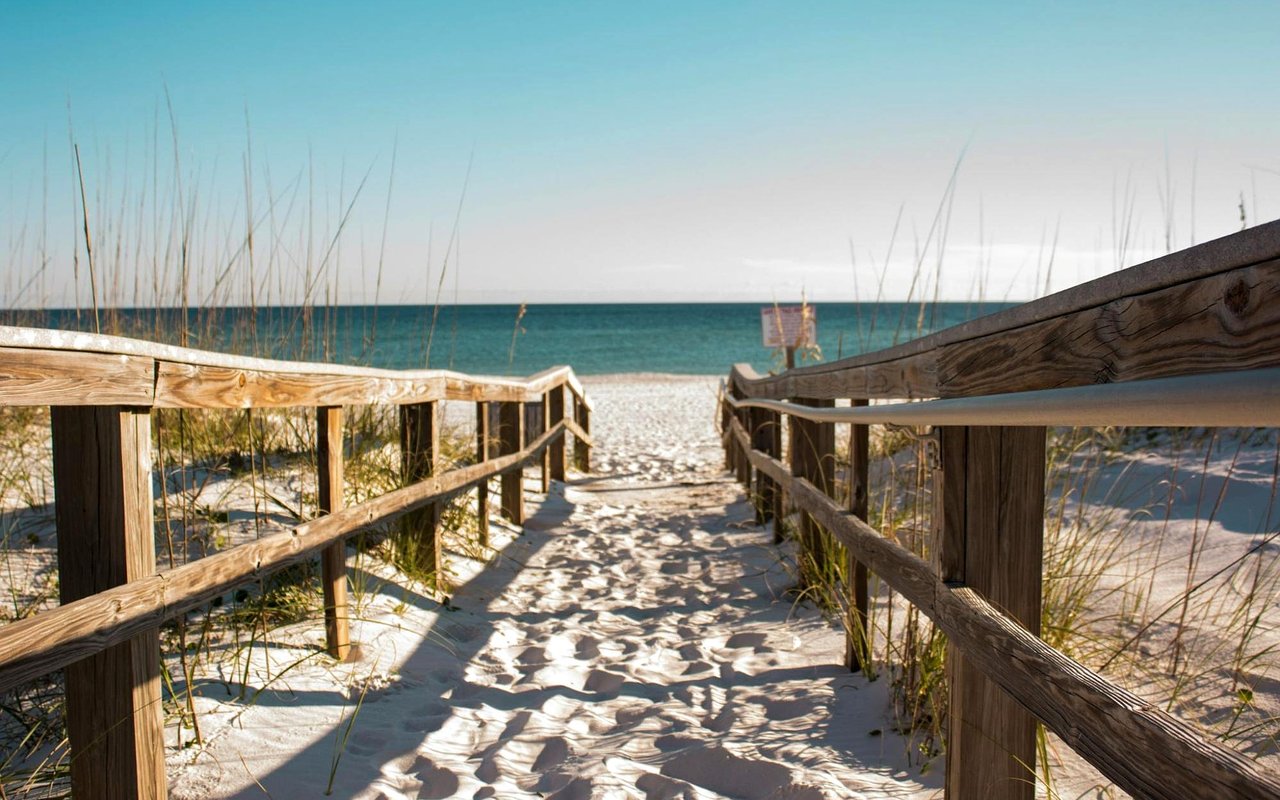
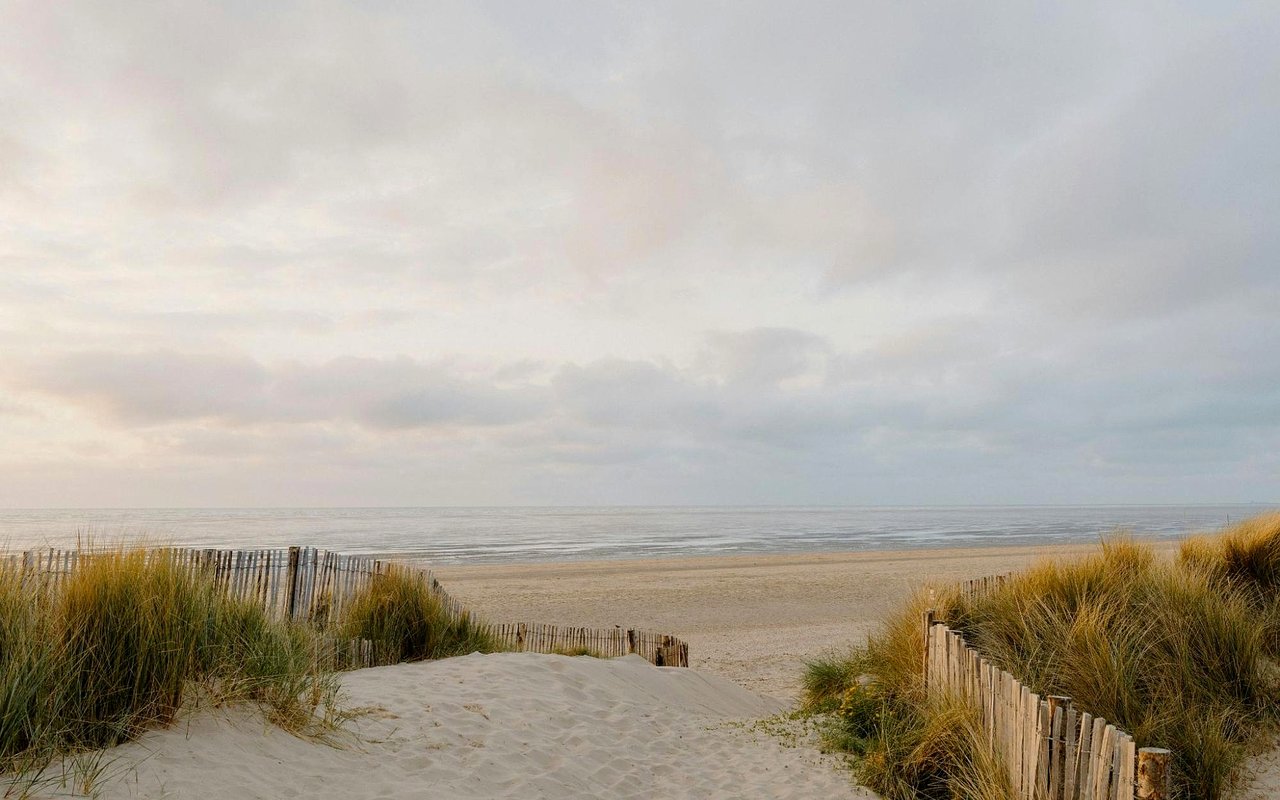
The Atlantic Ocean beaches are the most immediate draw. Coopers Beach, Main Beach, and the legendary stretches of sand running through Water Mill and Sagaponack are world class in every sense. Ocean frontage commands extraordinary premiums here, and rightfully so. There is nothing comparable on the North Fork, which is bordered primarily by Long Island Sound and Peconic Bay rather than open ocean.
Beyond the beaches, the South Fork offers a cultural and social ecosystem that has attracted artists, writers, financiers, and global figures for generations. The restaurant scene from
Sag Harborto Montauk is sophisticated and diverse. The retail corridors in Southampton Village and East Hampton Village are curated and walkable. The farm stands, vineyards, and nature preserves add a pastoral dimension that balances the glamour.
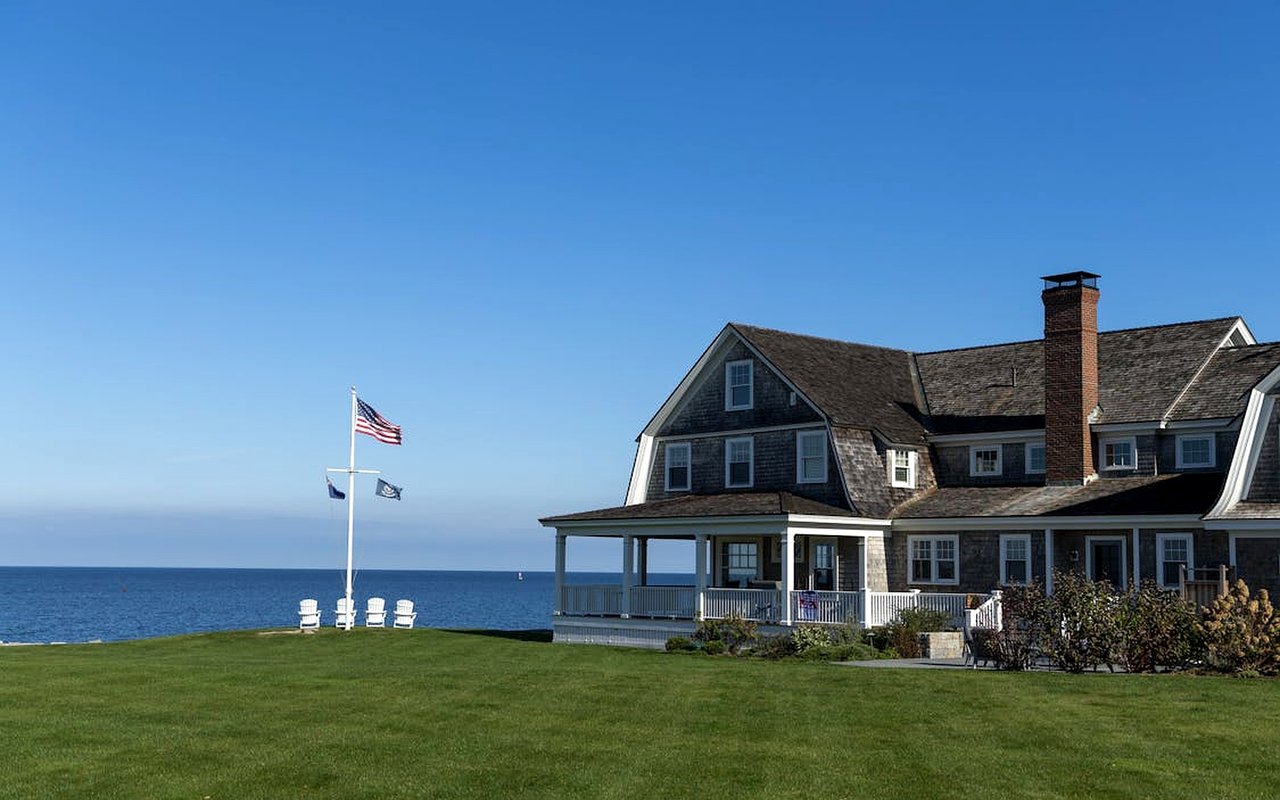
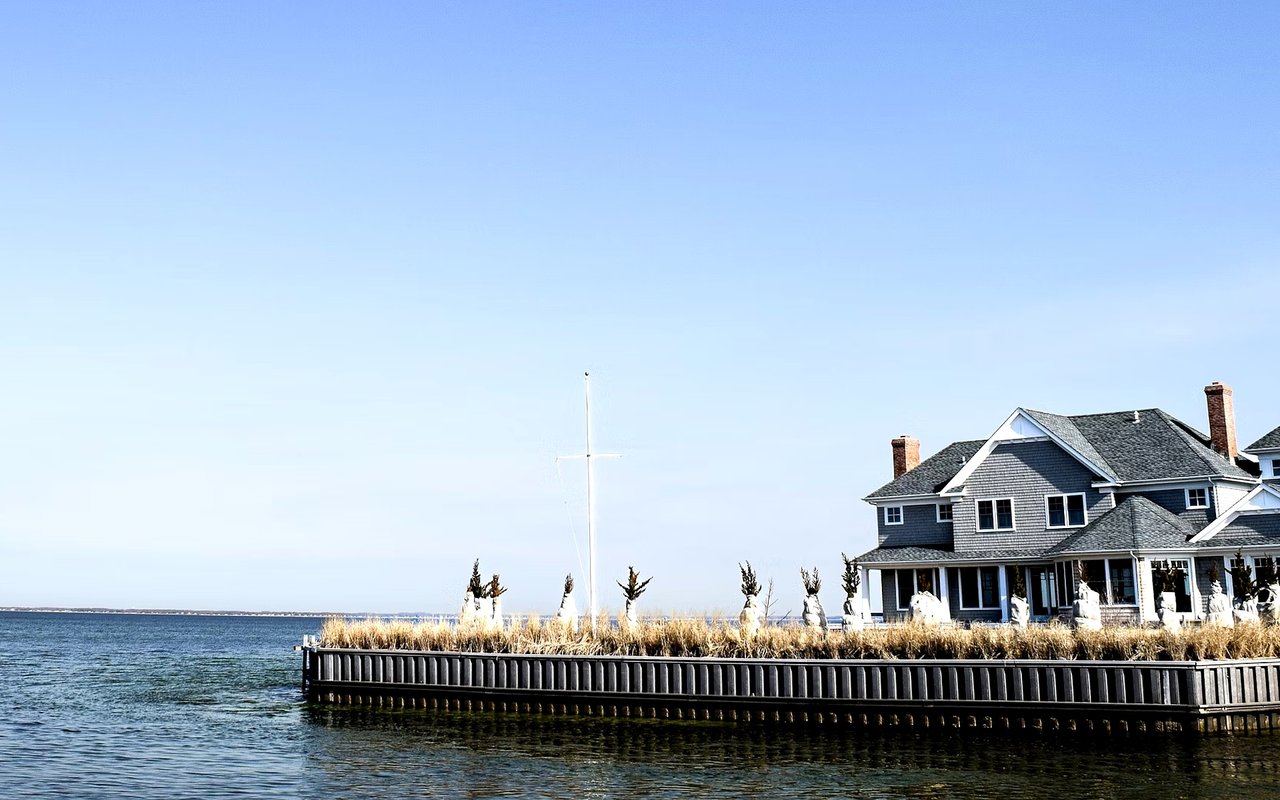
Architecturally, the South Fork offers everything from historic shingle style estates and converted barns to cutting edge modern construction on multi acre parcels. The range is extraordinary, and so is the price range. Entry level homes in desirable Hamptons hamlets begin well above the median for most national markets, and the ceiling for estate properties is essentially limitless.
Want to see what South Fork ocean-area inventory looks like right now?Browse Hamptons real estate or explore listings nearSagaponack.
The North Fork: Land, Vineyards, and an Emerging Market with Real Appeal
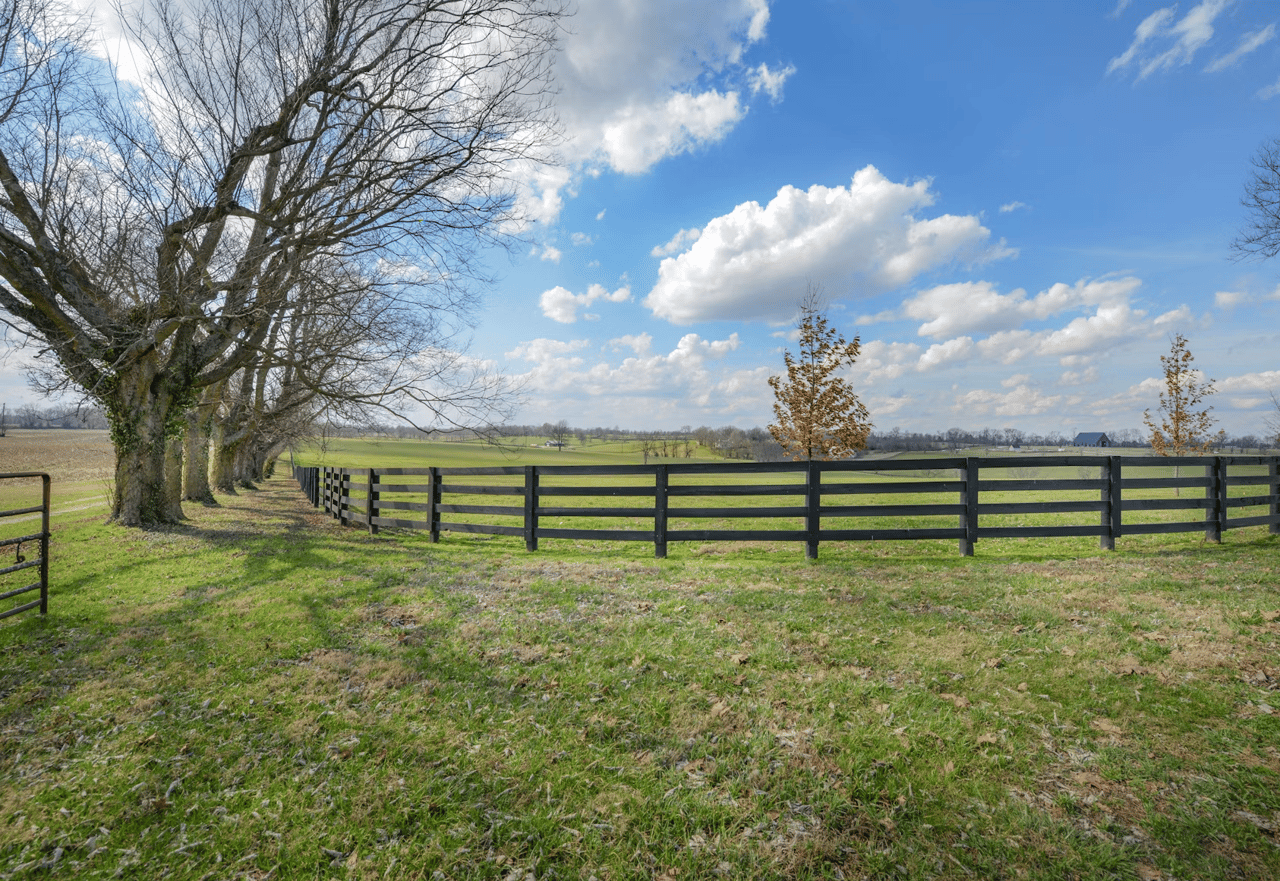
The North Fork is not trying to be the Hamptons, and that is precisely its strength. What this peninsula offers is a genuine agricultural landscape, a thriving wine country culture, and a more accessible price point that has attracted a growing number of buyers seeking second homes without the intensity of the South Fork's peak season energy.
The North Fork is home to more than thirty wineries and vineyards, many of which have developed into serious culinary and hospitality destinations. Shinn Estate, Paumanok Vineyards, and Bedell Cellars are among the producers that have brought national attention to this region.
For buyers who love the idea of being embedded in wine country with easy access to Long Island Sound, the North Fork delivers a lifestyle that feels more like the Hudson Valley or the Finger Lakes than it does a traditional beach resort market.
The towns of Southold and Greenport offer charming main streets, local independent restaurants, and a community identity that feels unpretentious and genuine. Greenport in particular has seen significant investment in recent years, with boutique hotels, artisan shops, and a ferry connection to Shelter Island and onward to the South Fork giving it a connectivity that enhances its appeal considerably.
From a price perspective, the North Fork is dramatically more accessible. Buyers who cannot stretch into the Hamptons market at competitive price points often find that the North Fork offers more land, more structure, and more lifestyle per dollar than anything available on the South Fork.
Investment Profile: Where Does the Stronger Case Lie?
This is the question I am asked most frequently when buyers are weighing both forks. The honest answer is that the South Fork has the longer track record of appreciation, the deeper pool of affluent buyers, and the global name recognition that supports sustained demand. Hamptons properties have historically held value through market cycles in ways that reflect the enduring desirability of the location. Recent data bears this out: the Hamptons median price climbed to $2.4 million in the fourth quarter of 2025, up 33% year over year.
The North Fork presents a different kind of investment thesis. It is a market in evolution, with rising interest from younger buyers, increased media attention, and a growing hospitality infrastructure that points toward continued appreciation. Entry points are lower, which means percentage gains have more room to run. Cutchogue's median price, for example, rose 21% to $1.05 million, driven in part by a $11.2 million waterfront sale. The risk is that the North Fork's trajectory depends on continued organic growth rather than the established institutional demand the Hamptons already commands.
For buyers with a pure investment lens, the South Fork remains the more defensible choice. For buyers seeking lifestyle value and long term growth potential in an emerging market, the North Fork deserves serious consideration.
Source: Q4 2025 to 2026 median price data for the Hamptons and Cutchogue per Riverhead News Review and Suffolk Times reporting on the North Fork real estate market.
Frequently Asked Questions
Can I easily visit both forks from a single base?
Yes. The South Fork Ferry from North Haven and the Shelter Island connection make cross-fork day trips very manageable, particularly in the shoulder season when traffic is lighter.
Are North Fork properties eligible for short-term rentals?
Rental regulations vary by municipality on the North Fork just as they do on the South Fork. Southold Town has its own permit requirements that buyers should review carefully before purchasing with rental income in mind.
Is the North Fork more family-friendly than the South Fork?
Both forks offer excellent family experiences, but the North Fork's quieter pace and more contained communities appeal to families who find the Hamptons high season overwhelming. The South Fork's amenities, however, are significantly broader.
Which fork has better dining?
The South Fork has a larger and more varied restaurant scene overall, but the North Fork's farm to table culture and winery dining experiences are exceptional in their own right and have been gaining national recognition consistently.
How long is the drive from New York City to each fork?
Without traffic, both are roughly two to two and a half hours from Manhattan. With summer traffic, the South Fork can extend significantly. The North Fork tends to move more efficiently because it attracts lower overall traffic volume.
Meet Your Hamptons Guide
Susan Breitenbach is a Licensed Associate Real Estate Broker with The Corcoran Group, based out of offices in Southampton and Sag Harbor. She has spent over 35 years working the Hamptons market from Westhampton to Montauk and has closed more than $6.4 billion in career sales, and brings perspective on both South Fork and North Fork buying decisions.
Related Reading
Contact Me Today
When you are ready to explore the East End with someone who knows every road, every hamlet, and every nuance of this extraordinary market, I would love to be your guide.
Connect with me to begin the conversation and take the first step toward finding the East End home that is right for you.
Source Notes: 1. Hamptons (South Fork) Q4 2025 median price and year-over-year change per Riverhead News Review, "Reshaped real estate is putting North Fork at a crossroads," and matching Suffolk Times coverage. 2. Cutchogue median price and top sale per the same reporting. 3. North Fork winery and town details reflect previously published site content.