By Susan Breitenbach
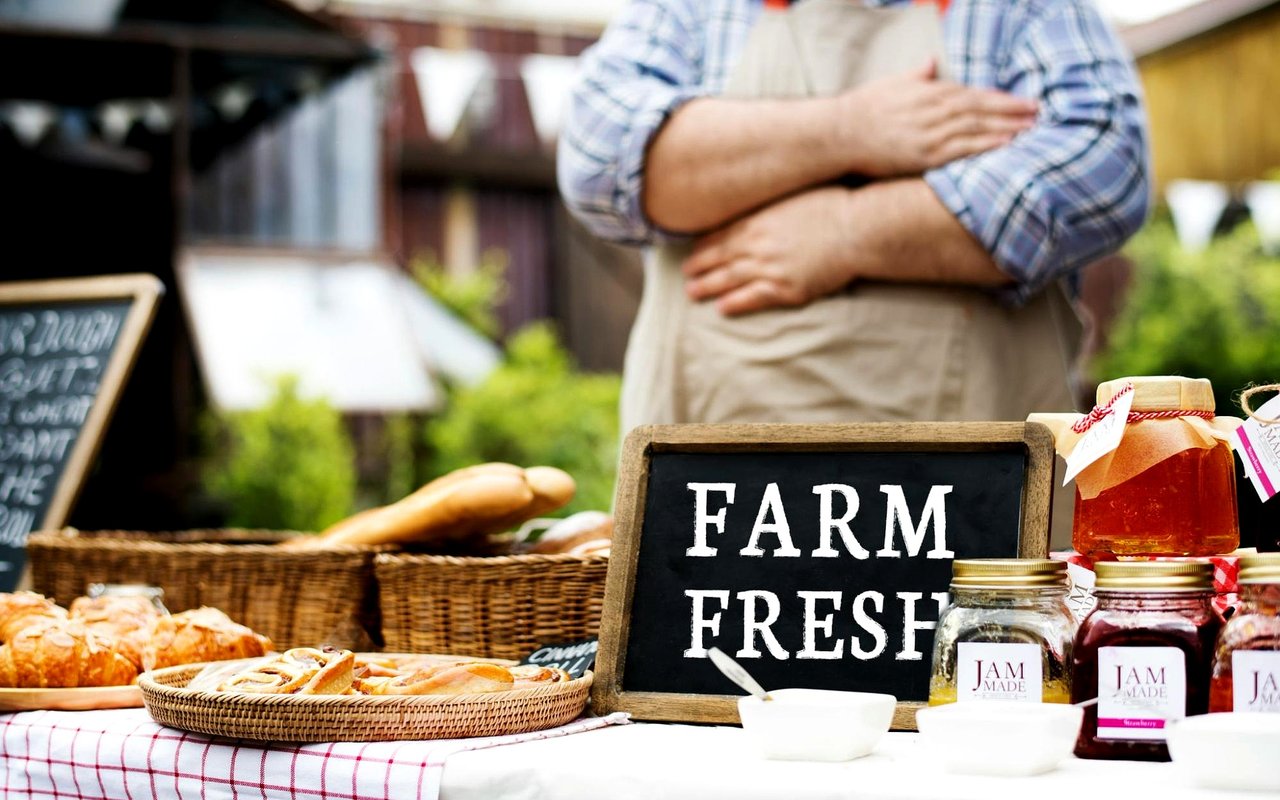
There is a moment that happens to almost every buyer I work with on the East End, usually sometime in their first or second summer after closing. They stop at a farm stand on Sagg Road in Sagaponack or pick up tomatoes at the East Hampton Farmers Market on a Saturday morning, and something clicks. They realize that this is not just a place to buy vegetables. It is a place to become part of a community.
The Hamptons farmers market and farm stand culture is one of the things I love most about life out here, and it is one of the aspects of the East End that genuinely surprises people who expect the Hamptons to be all oceanfront estates and summer parties. The agricultural roots of this place are real, they are living, and they show up every week in some of the most vibrant and welcoming public spaces the East End has to offer.
Whether you are a full-time resident or a second-home owner arriving for the season, here is your guide to making the most of it.
Key Takeaways
-
The Hamptons has a rich and living agricultural tradition that predates its reputation as a luxury destination by centuries, and that heritage is visible and accessible at farmers markets and farm stands throughout the East End
-
Major farmers markets in East Hampton, Southampton, Sag Harbor, and Bridgehampton each have their own distinct character and offer exceptional locally grown produce, prepared foods, flowers, and artisan goods
-
The farm stand culture along routes through Sagaponack, Bridgehampton, and Water Mill is one of the most authentic and beloved aspects of everyday life on the East End
-
For second-home owners, farmers markets provide an immediate and effortless way to connect with the local community and the rhythm of the seasons
-
Proximity to farm stands and agricultural land is an increasingly meaningful lifestyle factor for Hamptons buyers and contributes to the long-term appeal of properties in farming corridors
The Agricultural Roots Behind the Farmers Market Culture
To appreciate the farmers market scene in the Hamptons, it helps to understand where it comes from. Long before the East End became one of the world's most recognized luxury destinations, it was farming country. The flat, fertile fields of Bridgehampton, Sagaponack, Water Mill, and Wainscott supported potato farming, truck farming, and agricultural life for generations of families whose names still appear on road signs and local institutions across the South Fork.
That agricultural heritage did not disappear when the luxury market arrived. It adapted, evolved, and in many ways deepened. Today, the East End is home to some of the most productive and celebrated small farms in the Northeast, growing everything from heirloom tomatoes and sweet corn to lavender, cut flowers, and specialty herbs. The farmers markets and farm stands that dot the landscape from Memorial Day through Thanksgiving, and in some cases year-round, are a direct expression of that living tradition.
For buyers, I always point out that the presence of preserved farmland and active agricultural operations is not just a lifestyle amenity. It is a land use protection that helps maintain the open, spacious character of the East End's most beautiful corridors, and that has real and lasting implications for property values and quality of life.
That agricultural heritage did not disappear when the luxury market arrived. It adapted, evolved, and in many ways deepened. Today, the East End is home to some of the most productive and celebrated small farms in the Northeast, growing everything from heirloom tomatoes and sweet corn to lavender, cut flowers, and specialty herbs. The farmers markets and farm stands that dot the landscape from Memorial Day through Thanksgiving, and in some cases year-round, are a direct expression of that living tradition.
For buyers, I always point out that the presence of preserved farmland and active agricultural operations is not just a lifestyle amenity. It is a land use protection that helps maintain the open, spacious character of the East End's most beautiful corridors, and that has real and lasting implications for property values and quality of life.
East Hampton Farmers Market: A Saturday Morning Institution
The East Hampton Farmers Market is one of the anchors of Saturday life in the village for residents and seasonal visitors alike. Held at Nick and Toni's parking lot on Newtown Lane, the market brings together a curated selection of local farmers, food producers, bakers, and artisan vendors in the heart of one of the most beautiful villages on the East End.
What I love about the East Hampton market is how genuinely local it feels. You will find vendors who have been farming the South Fork for decades alongside newer producers who have brought fresh energy and creativity to what grows here. The produce is exceptional, particularly through the height of summer when the corn, tomatoes, peaches, and greens are at their peak.
But beyond the produce, the market has become a genuine gathering place. You will run into neighbors, trainers from the riding barns, chefs from local restaurants stocking up for the week, and families making it a Saturday morning ritual.
For second-home owners especially, the East Hampton Farmers Market offers one of the fastest and most natural ways to feel at home in the community. There is something about buying vegetables from the person who grew them that connects you to a place in a way that no restaurant or shop quite replicates.
What I love about the East Hampton market is how genuinely local it feels. You will find vendors who have been farming the South Fork for decades alongside newer producers who have brought fresh energy and creativity to what grows here. The produce is exceptional, particularly through the height of summer when the corn, tomatoes, peaches, and greens are at their peak.
But beyond the produce, the market has become a genuine gathering place. You will run into neighbors, trainers from the riding barns, chefs from local restaurants stocking up for the week, and families making it a Saturday morning ritual.
For second-home owners especially, the East Hampton Farmers Market offers one of the fastest and most natural ways to feel at home in the community. There is something about buying vegetables from the person who grew them that connects you to a place in a way that no restaurant or shop quite replicates.
Southampton Farmers Market: Community at the Heart of the Village
The Southampton Farmers Market operates at Agawam Park and has established itself as one of the most community-oriented markets on the South Fork. Southampton Village has a strong year-round residential population, and the market reflects that with a mix of seasonal and extended offerings that serve both summer visitors and full-time residents.
The Southampton market draws a broad and welcoming crowd. Local farmers bring an impressive range of produce throughout the season, and the prepared food vendors, bakers, and specialty producers add variety and energy that make it worth a dedicated visit. The park setting itself is beautiful and adds to the experience, particularly on a clear summer morning when the village is alive and the market is in full swing.
From a real estate perspective, Southampton Village properties that sit within easy reach of Agawam Park and the village market benefit from the walkability and community life that buyers increasingly prioritize. I work with many buyers who specifically seek out properties where this kind of daily lifestyle is built into the neighborhood.
The Southampton market draws a broad and welcoming crowd. Local farmers bring an impressive range of produce throughout the season, and the prepared food vendors, bakers, and specialty producers add variety and energy that make it worth a dedicated visit. The park setting itself is beautiful and adds to the experience, particularly on a clear summer morning when the village is alive and the market is in full swing.
From a real estate perspective, Southampton Village properties that sit within easy reach of Agawam Park and the village market benefit from the walkability and community life that buyers increasingly prioritize. I work with many buyers who specifically seek out properties where this kind of daily lifestyle is built into the neighborhood.
Sag Harbor Farmers Market: Small Village, Big Heart
The Sag Harbor Farmers Market holds a special place in my heart because it captures something essential about what makes Sag Harbor so extraordinary as a community. The market operates in the village and draws a devoted local following that reflects the year-round, creatively engaged population that Sag Harbor has always attracted.
What distinguishes the Sag Harbor market is the mix of vendors and the intimacy of the setting. Artists, writers, fishermen, farmers, and families all move through the same space on a weekend morning, and the conversations that happen there are the kind that build lasting community relationships. Local honey, fresh flowers, handmade preserves, and just-caught seafood appear alongside beautiful seasonal produce in a way that feels entirely natural and unhurried.
For buyers considering Sag Harbor, and I speak with many who are deeply drawn to this village, the farmers market is one more piece of evidence that life here operates on a human scale that is increasingly rare and precious in an affluent community.
What distinguishes the Sag Harbor market is the mix of vendors and the intimacy of the setting. Artists, writers, fishermen, farmers, and families all move through the same space on a weekend morning, and the conversations that happen there are the kind that build lasting community relationships. Local honey, fresh flowers, handmade preserves, and just-caught seafood appear alongside beautiful seasonal produce in a way that feels entirely natural and unhurried.
For buyers considering Sag Harbor, and I speak with many who are deeply drawn to this village, the farmers market is one more piece of evidence that life here operates on a human scale that is increasingly rare and precious in an affluent community.
Bridgehampton and the Farm Stand Corridor
If the farmers markets represent the organized, weekly expression of Hamptons agricultural life, the farm stands represent its spontaneous, everyday soul. And nowhere is that soul more visible than along the roads that wind through Bridgehampton, Sagaponack, and Water Mill.
Sagg Road, Scuttle Hole Road, Butter Lane, and Hayground Road are lined with honor-system farm stands, staffed roadside stands, and working farm operations that sell directly to the public throughout the growing season. Bhumi Farms, Balsam Farms in Amagansett, Marilee Foster's Catapano Dairy, and the legendary Sagg Farm have all become part of the East End's agricultural identity and draw loyal customers who return every season.
The experience of stopping at a small farm stand on a back road in Bridgehampton, picking up a basket of just-harvested corn or a bunch of dahlias, and leaving cash in an honor box is one of those quiet, irreplaceable moments of East End life that I genuinely treasure. It is something my buyers always remark on, and it is something that stays with them.
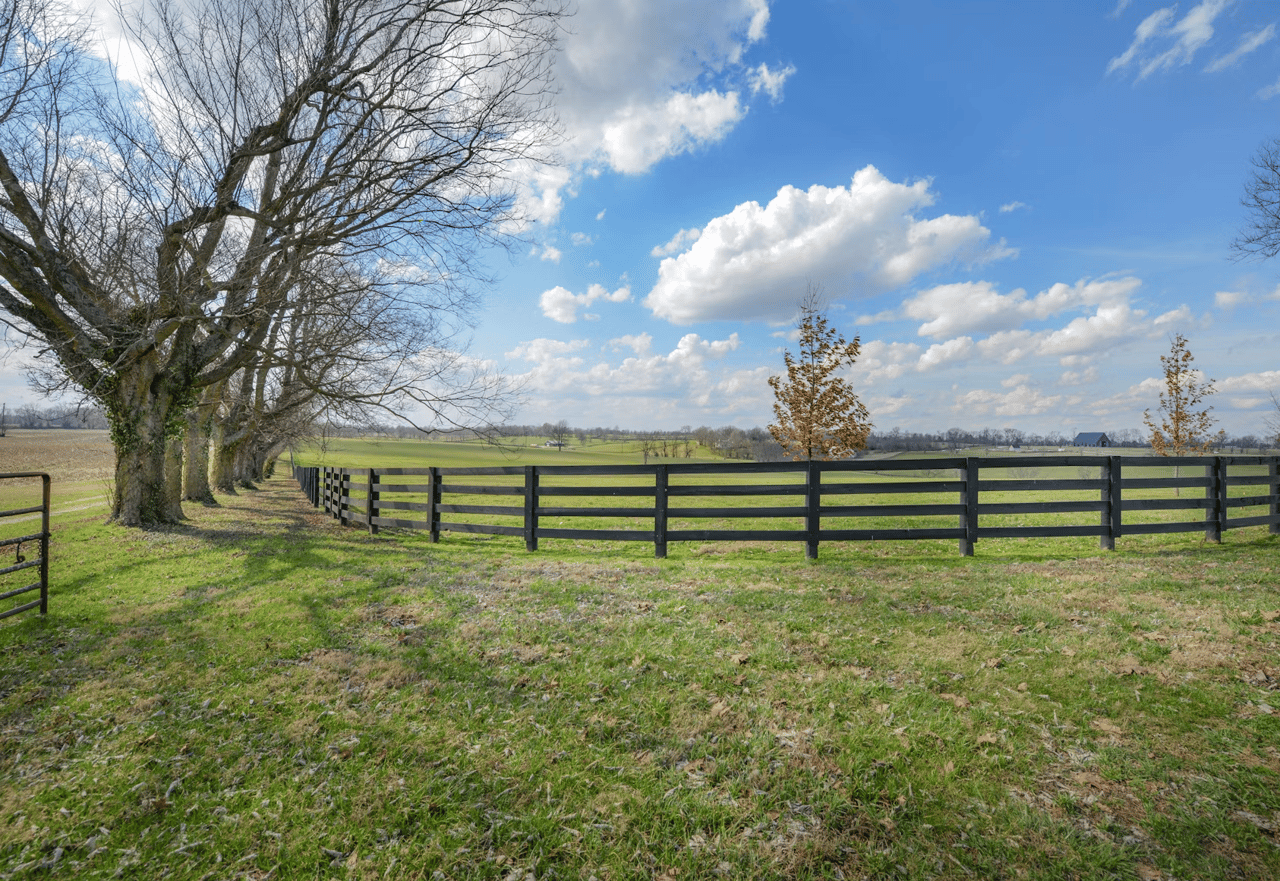
Proximity to this farm stand corridor is a lifestyle factor that comes up regularly in conversations with buyers looking at properties in Bridgehampton, Sagaponack, and Water Mill. The preserved agricultural land that surrounds these roads is protected in many cases through the Peconic Land Trust and similar conservation organizations, which means the open character of these corridors is not going away.
Sagg Road, Scuttle Hole Road, Butter Lane, and Hayground Road are lined with honor-system farm stands, staffed roadside stands, and working farm operations that sell directly to the public throughout the growing season. Bhumi Farms, Balsam Farms in Amagansett, Marilee Foster's Catapano Dairy, and the legendary Sagg Farm have all become part of the East End's agricultural identity and draw loyal customers who return every season.
The experience of stopping at a small farm stand on a back road in Bridgehampton, picking up a basket of just-harvested corn or a bunch of dahlias, and leaving cash in an honor box is one of those quiet, irreplaceable moments of East End life that I genuinely treasure. It is something my buyers always remark on, and it is something that stays with them.
Proximity to this farm stand corridor is a lifestyle factor that comes up regularly in conversations with buyers looking at properties in Bridgehampton, Sagaponack, and Water Mill. The preserved agricultural land that surrounds these roads is protected in many cases through the Peconic Land Trust and similar conservation organizations, which means the open character of these corridors is not going away.
What the Farmers Market Culture Means for Hamptons Buyers
Beyond the pleasure of fresh produce and community connection, the farmers market and farm stand culture of the East End tells buyers something important about the nature of this place. It signals that the Hamptons has maintained a genuine identity rooted in land, seasons, and community, one that coexists with the luxury market rather than being displaced by it.
For second-home owners, I always encourage making the farmers market part of your weekly routine from the moment you arrive for the season. It is one of the fastest ways to feel genuinely settled and connected rather than like a visitor passing through. For full-time residents, it is simply part of the rhythm of life on the East End, as natural and grounding as the tides.
For second-home owners, I always encourage making the farmers market part of your weekly routine from the moment you arrive for the season. It is one of the fastest ways to feel genuinely settled and connected rather than like a visitor passing through. For full-time residents, it is simply part of the rhythm of life on the East End, as natural and grounding as the tides.
Frequently Asked Questions About Hamptons Farmers Markets
When do the Hamptons farmers markets operate?
Most markets run from late May or early June through October or November, with the peak season falling between July and September. Some markets, including those in Southampton and Sag Harbor, have extended their seasons significantly in recent years to serve the growing year-round population on the East End.
What can I typically find at Hamptons farmers markets?
The markets offer an exceptional range of locally grown produce including tomatoes, corn, peppers, greens, stone fruits, and herbs at peak season. Beyond produce, you will find fresh flowers, baked goods, prepared foods, local honey, artisan preserves, cheese, and in some cases fresh seafood. The variety grows more impressive every season as local producers continue to expand and innovate.
Are the farm stands along Bridgehampton and Sagaponack roads open all summer?
Most farm stands in the Bridgehampton, Sagaponack, and Water Mill corridors operate from late spring through fall, with peak availability in July, August, and September. Hours and days vary by stand, and some operate on an honor system with self-service and a cash or Venmo payment option.
How does proximity to farm stands and preserved farmland affect property values?
Agricultural corridors in Bridgehampton, Sagaponack, and Water Mill are among the most coveted real estate landscapes on the East End. The presence of preserved farmland protects the open, scenic character of these areas and contributes meaningfully to the lifestyle and long-term value of nearby properties. Many buyers specifically seek out homes within or adjacent to these corridors.
Are farmers markets a good way to connect with the local community as a second-home owner?
Absolutely, and I recommend it consistently to every buyer I work with. Farmers markets are one of the most natural and effortless ways to build relationships in the local community, learn the rhythm of the seasons on the East End, and begin to feel genuinely at home rather than simply visiting.
Is the agricultural land in the Hamptons at risk of development?
Much of the most significant agricultural land on the East End has been protected through conservation organizations including the Peconic Land Trust, the Nature Conservancy, and various local land preservation programs. While development pressure is real and ongoing, the protected agricultural corridors in Bridgehampton, Sagaponack, and Water Mill are among the most secure open land areas on the South Fork.
Let's Find Your Home in the Heart of the East End
The farmers markets, the farm stands, the preserved fields, and the agricultural soul of the Hamptons are part of what makes owning a home here so deeply rewarding. I have spent decades helping buyers find properties that fit not just their real estate needs but their vision for how they want to live. If you are ready to explore what the East End has to offer, I would love to be your guide.
Reach out to me, Susan Breitenbach, and let's start the conversation.
Reach out to me, Susan Breitenbach, and let's start the conversation.