By Susan Breitenbach
When people ask me what makes the Hamptons different from every other luxury market I have encountered in my career, the answer is never simple. It is always a combination of things. The light. The land. The water. The history. But one of the answers I find myself giving most consistently, and the one that tends to surprise people most, is the art.
The Hamptons has been a place that attracts, nurtures, and celebrates serious artistic talent for well over a century, and that tradition has produced one of the most genuinely vibrant cultural communities anywhere in the country. From world-class museum institutions to intimate artist studios tucked behind hedgerows in Springs, the East End's art scene is deep, layered, and very much alive. If you are a buyer considering the Hamptons and culture matters to you, here is what I want you to know.
Key Takeaways
-
The Hamptons has one of the richest and most storied artistic legacies in American culture, rooted in the Abstract Expressionist movement and continuing through to today's most celebrated contemporary artists
-
The Parrish Art Museum in Water Mill is one of the finest art institutions in the region and anchors the East End's year-round cultural programming
-
Guild Hall in East Hampton serves as the community's foremost multidisciplinary arts center, presenting visual art, theater, film, and lectures throughout the year
-
The Hamptons art fair calendar, including the Hampton Art Fair and various seasonal exhibitions, draws collectors, dealers, and art lovers from New York City and around the world
-
For buyers, proximity to the East End's cultural institutions and artist communities adds a meaningful dimension of lifestyle value that distinguishes Hamptons real estate from other luxury markets
A Legacy That Begins With the Land and the Light
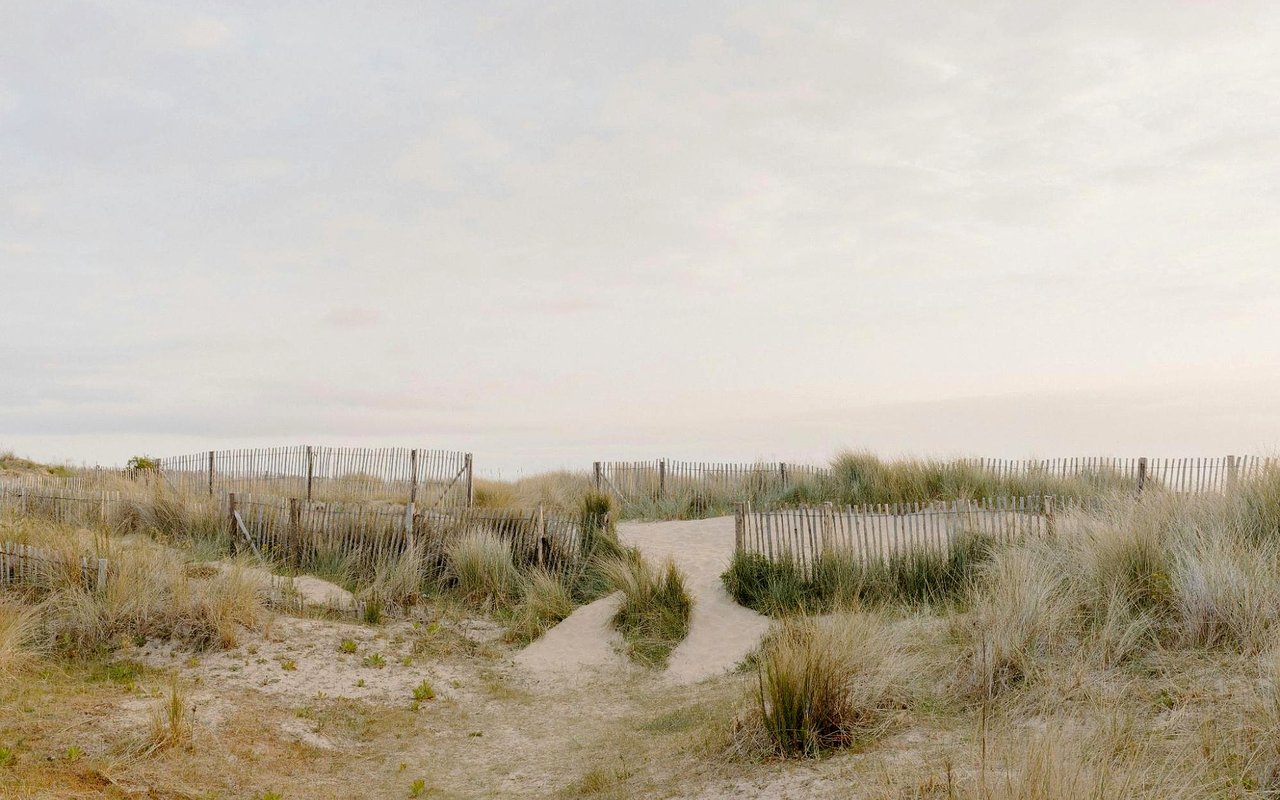
The story of art in the Hamptons is inseparable from the story of the landscape itself. Artists began coming to the East End in serious numbers in the late nineteenth century, drawn by the extraordinary quality of the light, the flatness of the land, and the sense of openness and possibility that the South Fork offered.
The Shinnecock Hills in Southampton became home to one of the most influential American art schools of the era, led by William Merritt Chase, whose plein air paintings of the East End landscape helped define American Impressionism.
That tradition of artists seeking out the Hamptons deepened dramatically in the mid-twentieth century when a group of painters who would change the course of American art began working in Springs, a hamlet of East Hampton that became the unlikely epicenter of Abstract Expressionism. Jackson Pollock and Lee Krasner lived and worked there, and their presence drew Willem de Kooning, Franz Kline, and a constellation of other artists whose names now define an entire era of American cultural history.
That legacy is not merely historical. It is a living part of the East End's identity, and it draws artists, collectors, curators, and cultural institutions to the Hamptons in ways that continue to shape the community today. When I show buyers properties in Springs or around the historic artist corridors of East Hampton, I always make a point of helping them understand what they are becoming part of.
The Shinnecock Hills in Southampton became home to one of the most influential American art schools of the era, led by William Merritt Chase, whose plein air paintings of the East End landscape helped define American Impressionism.
That tradition of artists seeking out the Hamptons deepened dramatically in the mid-twentieth century when a group of painters who would change the course of American art began working in Springs, a hamlet of East Hampton that became the unlikely epicenter of Abstract Expressionism. Jackson Pollock and Lee Krasner lived and worked there, and their presence drew Willem de Kooning, Franz Kline, and a constellation of other artists whose names now define an entire era of American cultural history.
That legacy is not merely historical. It is a living part of the East End's identity, and it draws artists, collectors, curators, and cultural institutions to the Hamptons in ways that continue to shape the community today. When I show buyers properties in Springs or around the historic artist corridors of East Hampton, I always make a point of helping them understand what they are becoming part of.
The Parrish Art Museum: A World-Class Institution in Water Mill
If there is one institution that most clearly represents the depth and seriousness of the Hamptons art world, it is the Parrish Art Museum in Water Mill. Founded in 1898 and housed since 2012 in a stunning Herzog and de Meuron-designed building that feels entirely at home in the East End landscape, the Parrish is a genuine world-class museum that would be remarkable in any major city.
What I love about the Parrish is that it does not feel like a seasonal amenity. It operates year-round with a serious permanent collection focused on artists with connections to the East End, alongside rotating exhibitions that bring some of the most significant contemporary and modern work available anywhere. The museum's programming includes lectures, artist talks, film screenings, and community events that draw a deeply engaged audience from across the South Fork.
For buyers, the Parrish represents something important. It is evidence that the Hamptons art world is not a weekend hobby for summer visitors. It is a serious, sustained cultural commitment that gives the East End an intellectual and creative energy that very few luxury markets can claim.
What I love about the Parrish is that it does not feel like a seasonal amenity. It operates year-round with a serious permanent collection focused on artists with connections to the East End, alongside rotating exhibitions that bring some of the most significant contemporary and modern work available anywhere. The museum's programming includes lectures, artist talks, film screenings, and community events that draw a deeply engaged audience from across the South Fork.
For buyers, the Parrish represents something important. It is evidence that the Hamptons art world is not a weekend hobby for summer visitors. It is a serious, sustained cultural commitment that gives the East End an intellectual and creative energy that very few luxury markets can claim.
Guild Hall: The Soul of East Hampton's Cultural Life
Guild Hall in East Hampton is one of those institutions that is difficult to describe to someone who has not experienced it, because it operates on so many levels at once. Founded in 1931, Guild Hall functions as an art museum, a professional theater, a lecture hall, a film venue, and a community gathering place all under one historic roof in the heart of East Hampton Village.
The visual art program at Guild Hall has presented exhibitions featuring some of the most celebrated artists of the twentieth and twenty-first centuries, with a particular emphasis on artists connected to the East End. The theater program, which operates in the John Drew Theater, has hosted an extraordinary range of productions, readings, and performances over the decades, drawing talent from Broadway and beyond to the East End stage.
What makes Guild Hall so central to life here is its accessibility and its calendar. It is genuinely active year-round, and attending an opening, a lecture, or a Sunday matinee at Guild Hall is one of those experiences that reminds you how rich and self-contained the Hamptons community really is. I have clients who cite Guild Hall specifically as one of the reasons they chose East Hampton Village as their home base, and I completely understand why.
The visual art program at Guild Hall has presented exhibitions featuring some of the most celebrated artists of the twentieth and twenty-first centuries, with a particular emphasis on artists connected to the East End. The theater program, which operates in the John Drew Theater, has hosted an extraordinary range of productions, readings, and performances over the decades, drawing talent from Broadway and beyond to the East End stage.
What makes Guild Hall so central to life here is its accessibility and its calendar. It is genuinely active year-round, and attending an opening, a lecture, or a Sunday matinee at Guild Hall is one of those experiences that reminds you how rich and self-contained the Hamptons community really is. I have clients who cite Guild Hall specifically as one of the reasons they chose East Hampton Village as their home base, and I completely understand why.
The Gallery Scene: From East Hampton to Sag Harbor
Beyond the anchor institutions, the Hamptons supports a thriving independent gallery scene that stretches from East Hampton Village through Bridgehampton and into Sag Harbor. The concentration and quality of galleries on the East End rivals what you would find in many major American cities, and the level of work being shown here reflects a collector base and an artistic community of genuine sophistication.
East Hampton Village has long been home to a cluster of respected galleries along and around Main Street and Newtown Lane. These spaces show work ranging from blue-chip secondary market offerings to compelling emerging artists, and the gallery openings that punctuate the summer calendar are among the most lively and well-attended social events on the East End.
Sag Harbor has developed its own distinct gallery identity that reflects the village's broader creative and literary character. The galleries here tend toward the intimate and the adventurous, and they draw an audience of artists, writers, and collectors who appreciate work that does not necessarily follow the most commercial path. Walking through Sag Harbor on an evening when several galleries have openings is one of those experiences that makes you feel genuinely fortunate to be part of this community.
Bridgehampton has also emerged as a gallery destination in its own right, with several significant spaces that attract serious collectors and add to the cultural density of the central Hamptons corridor.
East Hampton Village has long been home to a cluster of respected galleries along and around Main Street and Newtown Lane. These spaces show work ranging from blue-chip secondary market offerings to compelling emerging artists, and the gallery openings that punctuate the summer calendar are among the most lively and well-attended social events on the East End.
Sag Harbor has developed its own distinct gallery identity that reflects the village's broader creative and literary character. The galleries here tend toward the intimate and the adventurous, and they draw an audience of artists, writers, and collectors who appreciate work that does not necessarily follow the most commercial path. Walking through Sag Harbor on an evening when several galleries have openings is one of those experiences that makes you feel genuinely fortunate to be part of this community.
Bridgehampton has also emerged as a gallery destination in its own right, with several significant spaces that attract serious collectors and add to the cultural density of the central Hamptons corridor.
Art Fairs and Seasonal Events That Draw the World to the East End
The Hamptons art calendar is punctuated by events that draw collectors, dealers, and art lovers from New York City, Europe, and beyond. The Hampton Art Fair and various associated satellite events bring gallery-quality work to the East End in a format that combines serious commerce with the social energy of summer in the Hamptons.
These events matter for the East End's cultural identity and for its real estate market in ways that are sometimes underappreciated. They bring a concentration of culturally engaged, financially serious buyers and collectors to the South Fork every summer, and many of those visitors end up becoming buyers. I have seen it happen consistently over the course of my career. Someone comes for a weekend to attend an art fair, falls in love with the place, and begins a real estate search that ends in a home on the East End.
The arts calendar also includes open studio events, benefit auctions for local cultural organizations, and the ongoing programming of institutions like the Watermill Center, founded by director Robert Wilson, which brings avant-garde performance and visual art to a uniquely ambitious venue in the heart of the East End.
These events matter for the East End's cultural identity and for its real estate market in ways that are sometimes underappreciated. They bring a concentration of culturally engaged, financially serious buyers and collectors to the South Fork every summer, and many of those visitors end up becoming buyers. I have seen it happen consistently over the course of my career. Someone comes for a weekend to attend an art fair, falls in love with the place, and begins a real estate search that ends in a home on the East End.
The arts calendar also includes open studio events, benefit auctions for local cultural organizations, and the ongoing programming of institutions like the Watermill Center, founded by director Robert Wilson, which brings avant-garde performance and visual art to a uniquely ambitious venue in the heart of the East End.
What the Art Scene Means for Hamptons Real Estate
I want to be direct about something I believe strongly based on decades in this market. The art scene is not a peripheral amenity for Hamptons buyers who happen to be culturally inclined. It is a core part of what makes the East End a fundamentally different kind of luxury market.
Properties in East Hampton Village, Sag Harbor, Springs, and the surrounding communities benefit from proximity to cultural institutions, gallery clusters, and the creative energy that the art world brings to a place. That energy attracts a particular kind of resident, one who values intellectual life, aesthetic beauty, and community engagement alongside the natural landscape and the luxury amenities the Hamptons is known for.
The result is a community that is more interesting, more layered, and more enduring than a market defined purely by oceanfront access and square footage. I believe that distinction is reflected in the long-term resilience and desirability of Hamptons real estate, and it is something I talk about with buyers regularly.
Properties in East Hampton Village, Sag Harbor, Springs, and the surrounding communities benefit from proximity to cultural institutions, gallery clusters, and the creative energy that the art world brings to a place. That energy attracts a particular kind of resident, one who values intellectual life, aesthetic beauty, and community engagement alongside the natural landscape and the luxury amenities the Hamptons is known for.
The result is a community that is more interesting, more layered, and more enduring than a market defined purely by oceanfront access and square footage. I believe that distinction is reflected in the long-term resilience and desirability of Hamptons real estate, and it is something I talk about with buyers regularly.
Frequently Asked Questions About the Art Scene in the Hamptons
Is the Hamptons art scene active year-round or primarily a summer phenomenon?
While summer brings the highest concentration of openings, fairs, and events, the Hamptons art scene is genuinely year-round. The Parrish Art Museum and Guild Hall both operate continuous programming through all four seasons, and many galleries maintain year-round or extended seasonal schedules. The off-season can actually be one of the best times to engage with the art community here, as the pace is quieter and more intimate.
What is the Parrish Art Museum and why is it significant?
The Parrish Art Museum is a world-class art institution located in Water Mill, housed in a celebrated building designed by the architectural firm Herzog and de Meuron. Founded in 1898, it holds a permanent collection focused on artists connected to the East End and presents major rotating exhibitions throughout the year. It is one of the finest regional art museums in the country and a cornerstone of the Hamptons cultural landscape.
Where are the best galleries in the Hamptons?
The strongest gallery concentrations are in East Hampton Village, Sag Harbor, and Bridgehampton. East Hampton offers a mix of blue-chip and contemporary spaces along and around Main Street and Newtown Lane. Sag Harbor has a more intimate, creatively adventurous gallery scene. Bridgehampton has emerged as a destination for significant contemporary galleries serving the broader Hamptons collector community.
What is the connection between the Hamptons and Abstract Expressionism?
Springs, a hamlet of East Hampton, was home to Jackson Pollock and Lee Krasner and became a gathering place for the artists who defined Abstract Expressionism in American art. Willem de Kooning, Franz Kline, and many other major figures lived and worked on the East End. The Pollock-Krasner House and Study Center in Springs is now a National Historic Landmark and draws visitors from around the world.
How does the art scene affect property values in the Hamptons?
The art scene contributes to the East End's identity as a culturally serious and intellectually engaged community, which attracts a particular caliber of buyer and resident. Properties in East Hampton Village, Sag Harbor, and Springs benefit from proximity to cultural institutions and the creative energy of the artist community. Over the long term, I believe the cultural richness of the Hamptons is one of the factors that supports the market's enduring resilience and desirability.
What is the Watermill Center and what role does it play in the Hamptons art world?
The Watermill Center is an international arts residency and performance space founded by avant-garde theater director Robert Wilson. Located in Water Mill, it hosts artists, performers, and thinkers from around the world and presents an annual summer benefit that is one of the most anticipated and unconventional cultural events on the East End calendar.
Let's Find Your Home in One of the Country's Most Culturally Rich Communities
The art, the institutions, the galleries, the history, and the creative energy of the East End are part of what makes owning a home here such a deeply rewarding experience. I have spent my career helping buyers find properties that connect them to everything that makes the Hamptons exceptional, and I would love to do the same for you.
Reach out to me, Susan Breitenbach, and let's begin.
Reach out to me, Susan Breitenbach, and let's begin.