By Susan Breitenbach
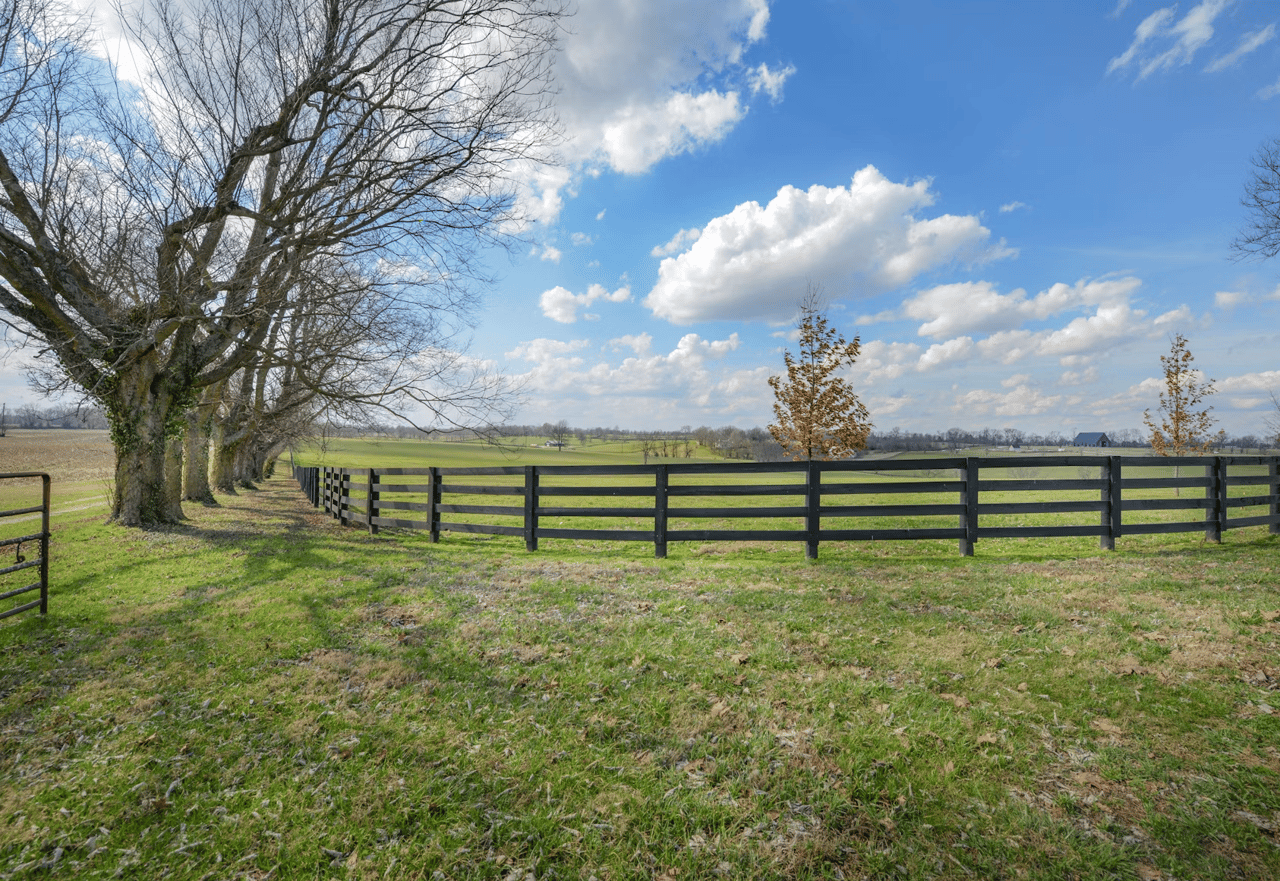
Hayground Road, Millstone Road, and Scuttle Hole Road in Bridgehampton hold some of the most treasured real estate on the East End, prized specifically for their preserved horse country character. Equestrian property Hamptons buyers pursue ranges from a modest barn on a few acres to full training facilities with staff housing and multiple riding rings.
Here's what to look for once you start touring properties built around this specific lifestyle.
Key Takeaways
- Location within horse country: Carries real weight, particularly along Bridgehampton's most established roads.
- Facility quality: Varies enormously between a basic barn and a full competition-ready setup.
- Proximity to the Hampton Classic: Adds convenience for serious competitors and casual riders alike.
- Staff housing and operating costs: Deserve as much attention as the acreage itself.
Know the Hamptons' Horse Country Roads
Bridgehampton's Hayground, Millstone, and Scuttle Hole roads anchor the region's most established equestrian real estate, an area shaped by decades of preserved open land and working horse farms. A property along one of these roads carries a certain prestige within the local riding community that a comparable listing elsewhere simply can't match.
Roads Worth Knowing By Name
- Hayground Road: Anchors some of Bridgehampton's most established equestrian properties.
- Millstone Road: Hosts both private farms and the area's growing polo scene.
- Scuttle Hole Road: Rounds out this cluster of preserved, horse-oriented real estate.
A buyer serious about this lifestyle should tour properties along all three before narrowing a search. Equestrian property Hamptons buyers compete hardest for tends to sit somewhere along this exact stretch of road.
What Facilities Actually Add Value
A well-built barn with all-weather riding arenas, grass paddocks, and both indoor and outdoor rings can command a significant premium over a comparable property without these features. Facilities like the twenty-seven-stall setup at a well-known Bridgehampton farm show just how far a serious operation can go.
Facility Features Worth Evaluating
- All-weather riding arenas: Extend usable training time well beyond fair-weather days alone.
- Grass paddocks and turnout fields: Give horses room to move outside of formal training sessions.
- Indoor riding facilities: Add real value for year-round training regardless of weather.
A buyer touring multiple properties should compare facility quality as carefully as the home itself. Serious competitors often prioritize these features above square footage.
Factor In Proximity to the Hampton Classic and Local Clubs
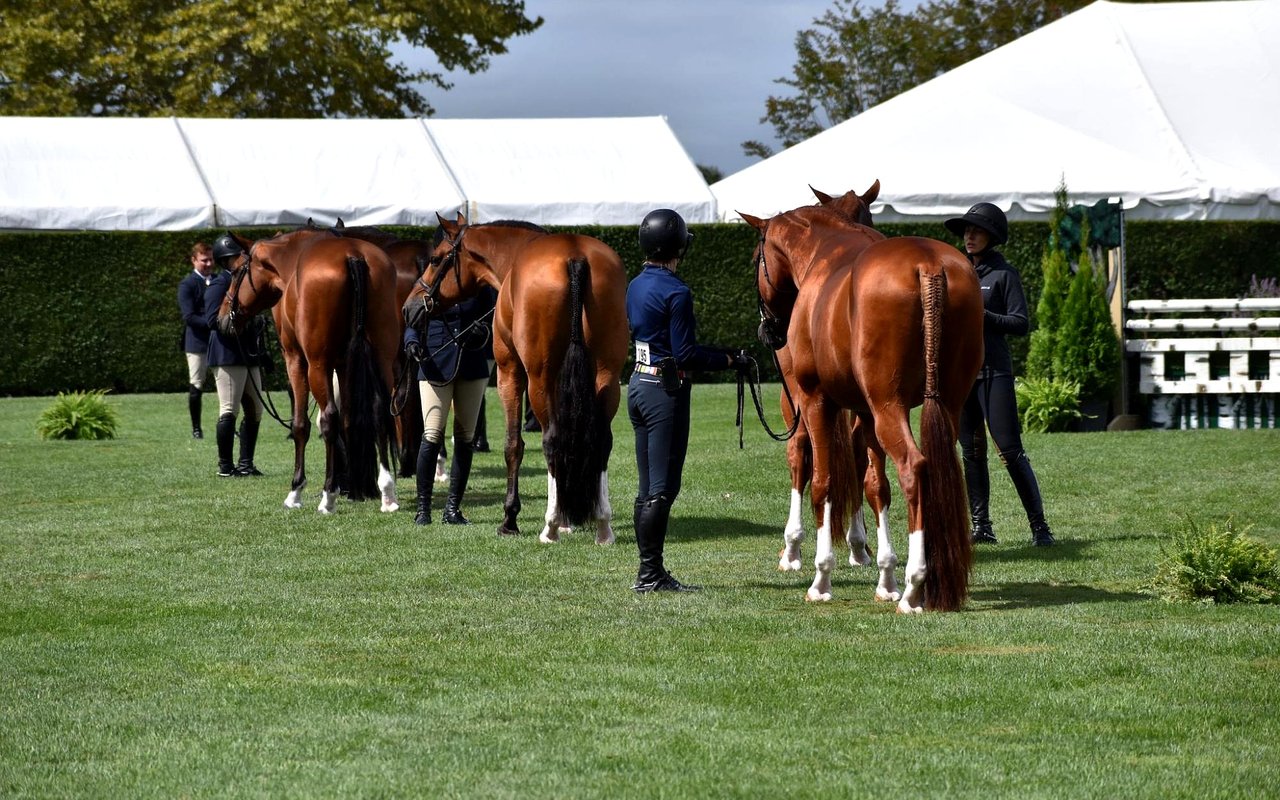
The Hampton Classic Horse Show ranks among the premier events in American show jumping, drawing serious competitors and spectators to Bridgehampton every summer. A property close to this event, along with training operations like Gray Horse Farm and Hamptons Pony at Two Trees, offers genuine convenience for anyone competing regularly.
Nearby Facilities Worth Knowing About
- The Hampton Classic grounds: Anchor the region's biggest annual equestrian event each summer.
- Training operations at Two Trees: Support serious hunter, jumper, and pony development programs.
- The growing Hamptons Polo Club: Adds a newer option for both competitive and beginner riders.
A short drive to these facilities matters considerably for anyone training seriously. Proximity like this shapes daily routine far more than most buyers initially expect.
Weigh Acreage, Zoning, and Preserved Open Space
Equestrian properties here range from a few acres to well over fifteen, with pricing shifting dramatically based on acreage, facility quality, and proximity to horse country's core roads. Preserved open space and conservation easements affect both a property's character and its long-term development potential.
Zoning Factors Worth Reviewing
- Total usable acreage: Determines how many horses a property can reasonably support.
- Conservation easements: Can limit future development while preserving a property's rural character.
- Homeowner association access: May grant additional trail or open space rights beyond a property's own boundaries.
A buyer should review these details closely before assuming a specific acreage automatically supports a specific number of horses. A property's zoning and easement status deserve just as much scrutiny as the barn itself.
Consider Staff Housing and Ongoing Operating Costs
A serious equestrian operation often requires on-site staff housing for trainers or barn managers, a feature that adds real value but also real ongoing cost. Feed, veterinary care, farrier visits, and facility maintenance all add up well beyond the initial purchase price.
Ongoing Costs Worth Budgeting For
- On-site staff housing: Supports full-time trainers or barn managers living close to the horses.
- Routine veterinary and farrier care: Represents an ongoing cost separate from the property itself.
- Facility upkeep and maintenance: Covers everything from arena footing to barn repairs over time.
A buyer should budget realistically for these costs before committing to a specific property size. A beautiful facility still requires real, ongoing investment to keep it running well.
FAQs
What Makes a Property Attractive to Equestrian Property Hamptons Buyers?
Location within established horse country, facility quality, and proximity to major events like the Hampton Classic all weigh heavily in a serious buyer's decision. Preserved open space and zoning flexibility matter just as much as the barn itself.
How Much Land Do I Need for a Few Horses?
Acreage needs vary depending on how many horses a property supports and whether pasture, paddocks, or a full riding arena factor into the plan. A few acres can work for casual ownership, while a serious training operation typically needs considerably more.
Is Staff Housing Common on These Properties?
Staff housing appears frequently on larger, more serious equestrian properties, particularly those supporting a full-time trainer or barn manager. A buyer planning a competitive operation should factor this feature into their search from the start.
Let's Find Your Equestrian Property
A search this specific deserves someone who actually knows this world, not just the real estate side of it.
I'm Susan Breitenbach, and I've spent years matching serious riders with the right piece of Hamptons horse country. Reach out today, and I'll help you find a property that fits both your horses and your lifestyle.