By Susan Breitenbach
Every great Hamptons home begins as an empty lot with a lot of questions. I enjoy guiding clients through that first stage, when the land decides what the house can become. A few rules and costs deserve attention before any contract is signed. The sections below walk through the ones I raise first.
Key Takeaways
- Know the jurisdiction: Towns and villages across the Hamptons apply their own codes, so confirm which one governs the lot.
- Plan for the 2 percent tax: The Community Preservation Fund transfer tax applies above set thresholds and is paid by the purchaser.
- Check size limits: Lot coverage and gross floor area formulas cap how large a house and its structures can be.
- Budget for septic and shoreline rules: Advanced septic systems and coastal erosion codes can change both costs and plans.
Confirm Which Rules Govern the Lot
The Hamptons spans several towns and villages, and each applies its own codes. Southampton and East Hampton each have town rules, and their villages add separate regulations of their own.
Early Jurisdiction Checks
- Town versus village: Confirm whether the parcel sits inside a village, since village codes can differ from town codes.
- District rules: Ask for the lot’s district, because setbacks and coverage limits depend on it.
- Survey and title: Order a current survey and title review to catch easements and boundary issues.
A call to the building department or planning board gives clear answers before you spend on design. I help clients gather those answers early.
The Community Preservation Fund Tax on Land
Southampton and East Hampton are among the East End towns that collect a one-time 2 percent Community Preservation Fund transfer tax. The purchaser pays it on the amount above the exemption threshold, which one guide lists as $100,000 for unimproved land in both towns.
Tax Details to Know
- Rate: The tax is 2 percent of the portion of the sale price above the threshold.
- Land threshold: A guide to the fund lists $100,000 for unimproved land in Southampton and East Hampton, so confirm the current figures.
- Use of funds: Each town keeps its own revenue for open space, farmland, historic buildings, and water quality projects.
The fund was created by referendum in 1998 and runs through 2050 under later extensions. Build the tax into your closing budget so it does not surprise you.
Lot Coverage and House Size Limits
Local formulas can shrink a dream house quickly, so run the math before you commit to a lot. The Village of Southampton’s review document lists lot coverage at 14 percent of lot area plus 1,500 square feet, and a gross floor area limit of 12 percent of lot area plus 1,500 square feet.
Size Formulas
- Lot coverage: The village formula lets main and accessory buildings cover 14 percent of lot area plus 1,500 square feet.
- Gross floor area: The principal building’s size limit is listed as 12 percent of lot area plus 1,500 square feet.
- Side yards: Setback minimums rise with the zoning district, from 10 feet in the smallest-lot zone to 35 feet in the largest.
Other villages and towns use different formulas, so treat these figures as one example. An architect can test your wish list against the numbers for the specific parcel.
Septic Rules for New Construction
Suffolk County requires advanced nitrogen-reducing septic systems for new houses on lots without sewers. County Executive Steve Bellone signed the law in October 2020, according to a local news report.
Septic Facts
- Required systems: New construction on unsewered lots needs an advanced system.
- Nitrogen target: An advanced system must reduce nitrogen to 19 milligrams per liter, cutting output by 70 percent or more compared with a conventional system.
- Major rebuilds: Reconstruction of 50 percent or more also triggers the requirement, while minor work may use a conventional system.
Ask the county health department for current rules and approved systems before you finalize a site plan. System space and cost belong in your early budget.
Coastal Erosion and Waterfront Lots
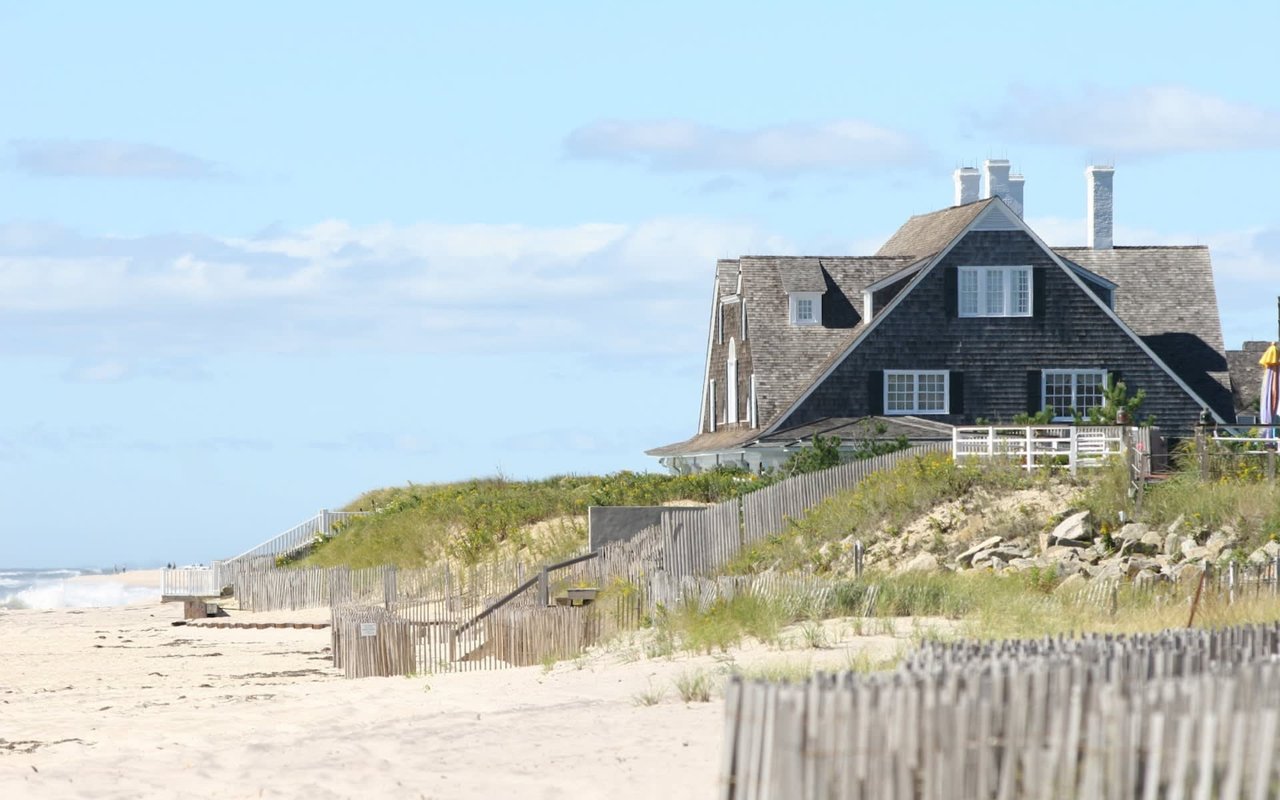
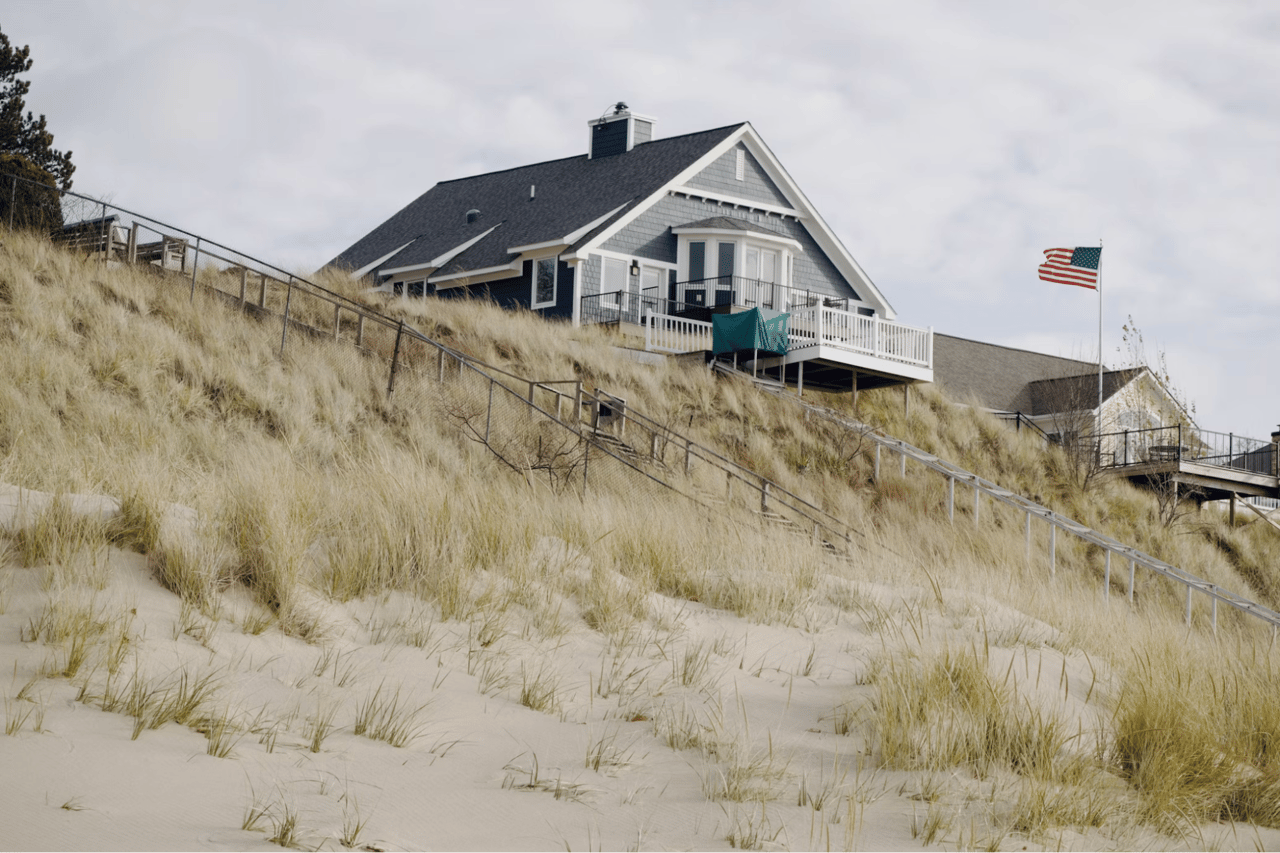
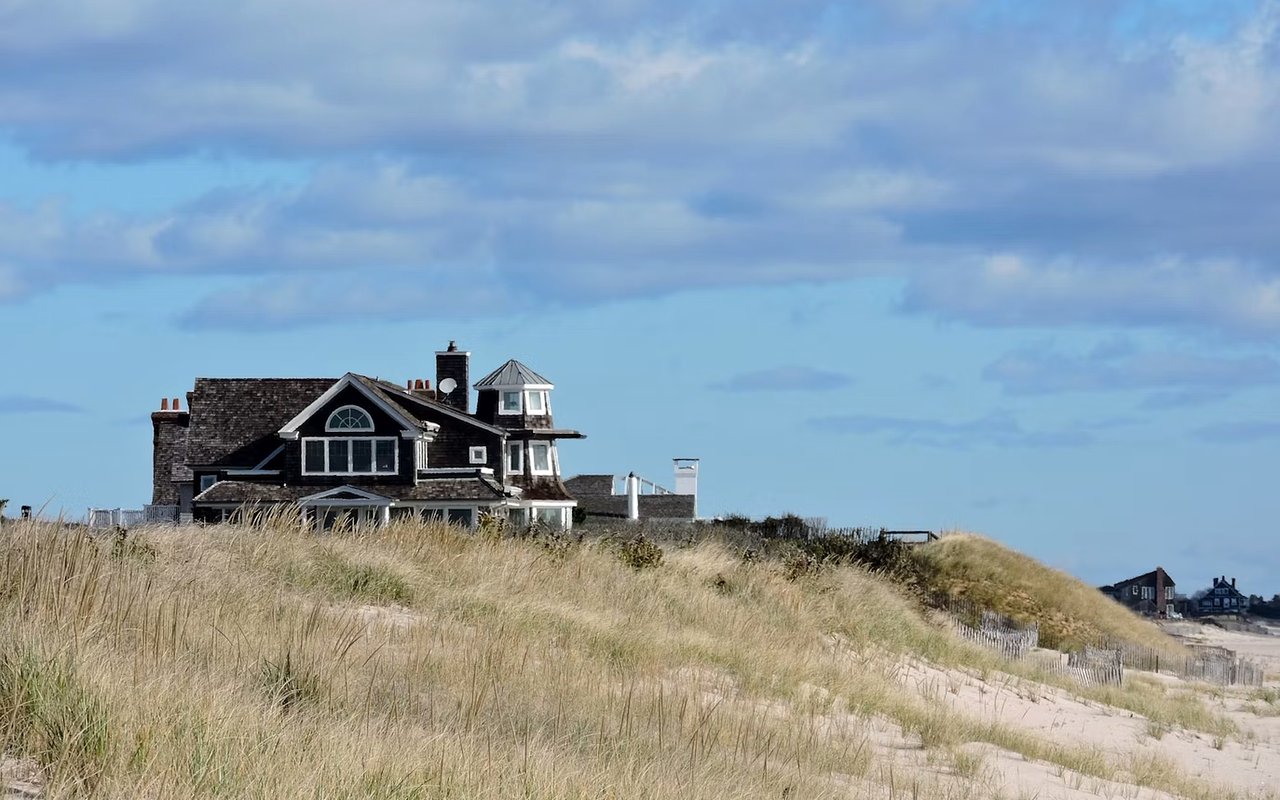
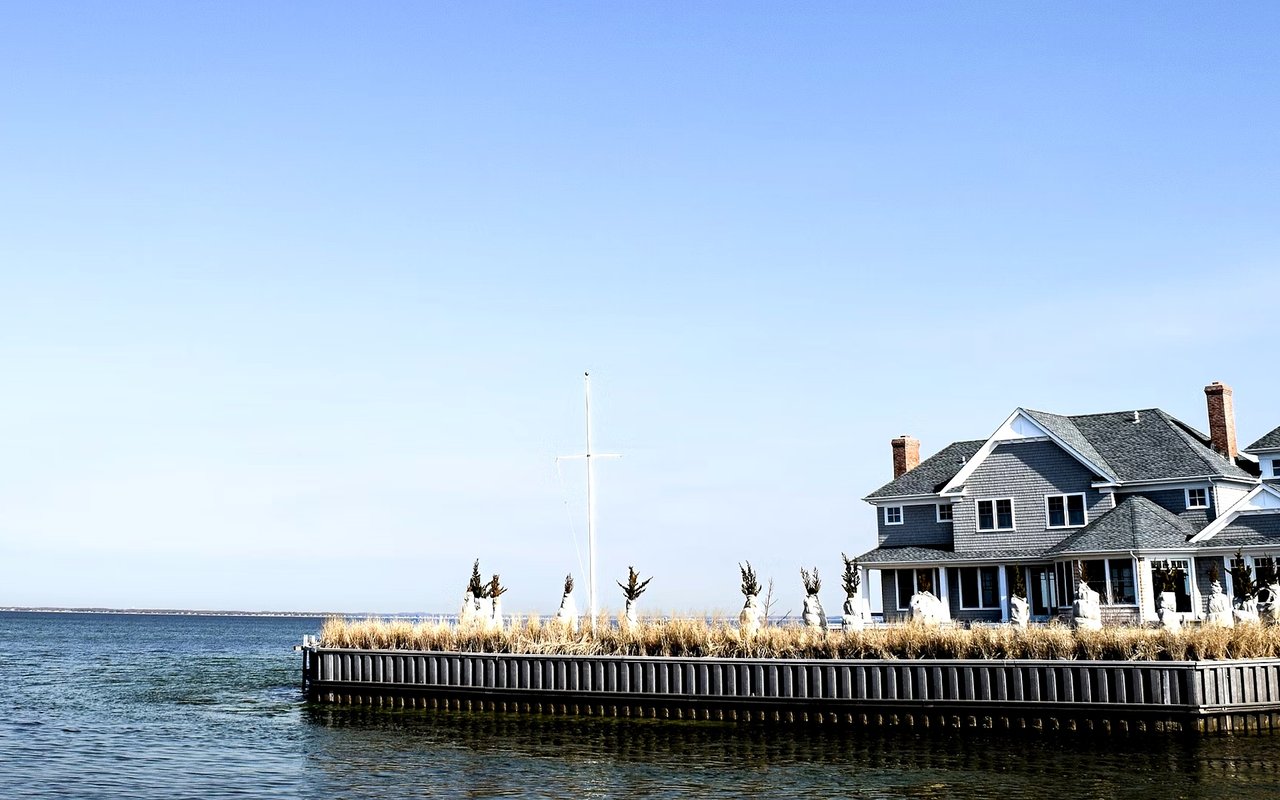
Waterfront and dune parcels may fall within mapped coastal erosion hazard areas. The Village of East Hampton’s code regulates activity in areas mapped by the New York State Department of Environmental Conservation.
Coastal Code Highlights
- Permit requirement: A coastal erosion management permit is required before any regulated activity in a mapped area.
- Structure limits: The code prohibits nonmovable structures in structural hazard areas and restricts work on dunes and bluffs.
- Walkway rules: Pedestrians crossing primary dunes must use elevated walkways, stairways, or other designated crossings.
Other municipalities have their own coastal rules, and flood maps also matter for insurance. Ask for the parcel’s mapped status before you make an offer.
FAQs
What should I expect from a land purchase build custom home Hamptons project?
Expect a sequence of steps: confirming zoning, checking taxes and septic needs, designing within size limits, and securing permits. Timelines depend on the parcel and the municipality. I can help you map the steps for your lot.
Do I pay the Community Preservation Fund tax on vacant land?
Purchasers in participating East End towns, including Southampton and East Hampton, pay the 2 percent tax on the amount above the land threshold. Thresholds and exemptions can change. Confirm current figures with your closing attorney.
Should I hire an architect before I buy the lot?
A short feasibility review with an architect can confirm that the lot supports your plan. It is a small step compared with redesigning later. I can recommend local professionals.
Contact Susan Breitenbach Today
Contact me, Susan Breitenbach, today to talk through your Hamptons land search and your custom home vision.